Test4: திருத்தங்களுக்கு இடையிலான வேறுபாடு
Jump to navigation
Jump to search
உள்ளடக்கம் நீக்கப்பட்டது உள்ளடக்கம் சேர்க்கப்பட்டது
No edit summary |
Ruban (பேச்சு | பங்களிப்புகள்) No edit summary |
||
| (2 பயனர்களால் செய்யப்பட்ட 162 இடைப்பட்ட திருத்தங்கள் காட்டப்படவில்லை.) | |||
| வரிசை 1: | வரிசை 1: | ||
__NOINDEX__ |
|||
{{Infobox country |
|||
<gallery mode="packed-hover" widths="1000px" heights="800px" perrow="1" caption="முகப்பு படங்கள்" fetchpriority="high" alt="LCP Image">File:Mugappupadangal.svg| முகப்பு படங்கள் |link=[[காட்சியகம்]]</gallery> |
|||
| conventional_long_name = இந்தியக் குடியரசு<br/>Republic of India |
|||
| common_name = இந்தியா |
|||
{{flag|இந்தியா}} |
|||
| native_name = {{transl|hi|ISO|பாரத் கணராச்சியம்}}<br /><small>(பார்க்க [[அதிகாரப்பூர்வமான மொழிகளில் இந்தியாவின் பெயர்கள்|ஏனைய பெயர்கள்]])</small> |
|||
<gallery mode="packed-hover" widths="120px" heights="120px" perrow="3" caption="முகப்பு படங்கள்"> |
|||
| image_flag = Flag of India.svg |
|||
File:Subramanya_Bharathi_1960_stamp_of_India.jpg | ''[[சுப்பிரமணிய பாரதி]]''(சுப்பிரமணிய பாரதி) |
|||
| alt_flag = கிடைமட்ட மூவர்ணக் கொடி, மேலிருந்து கீழாக, ஆழமான குங்குமப்பூ, வெள்ளை, பச்சை கிடைமட்டப் பட்டைகள். வெள்ளைப் பட்டையின் நடுவில் 24 குறுக்குக் கம்பிகளுடன் நீலச் சக்கரம் உள்ளது. |
|||
File:புதுமைப்பித்தன்.jpg | ''[[புதுமைப்பித்தன்]]'' |
|||
| image_coat = Emblem of India.svg |
|||
File:ஜெயகாந்தன்.jpg | ''[[ஜெயகாந்தன்]]''(ஜெயகாந்தன்) |
|||
| symbol_width = 60px |
|||
File:Vedanayagam.jpg |''[[வேதநாயகம் பிள்ளை]]'' |
|||
| alt_coat = இடது, வலது மற்றும் பார்வையாளரை நோக்கி மூன்று சிங்கங்கள், 24-குறுக்குக் கம்பிகள் கொண்ட சக்கரம் மற்றும் யானை ஆகியவற்றைக் கொண்ட பட்டையின் மேல் பாய்ந்து செல்லும் குதிரை. அடியில் உள்ள குறிக்கோள்: "சத்யமேவ செயதே". |
|||
File:ஜானகிராமன்.jpg |''[[தி. ஜானகிராமன்]]'' |
|||
| symbol_type = [[இந்திய தேசிய இலச்சினை|தேசிய இலச்சினை]] |
|||
File:ChudamaniRaghavan.jpg |''[[ஆர். சூடாமணி]]'' |
|||
| other_symbol = "[[வந்தே மாதரம்]]"<br />"நான் உன்னை வணங்குகிறேன், அம்மா"<div style="display:inline-block;margin-top:0.4em;">[[File:Vande Mataram on Mohan Veena.ogg]]</div> |
|||
File:இபா.jpg | ''[[இந்திரா பார்த்தசாரதி]]'' |
|||
| other_symbol_type = தேசியப் பண் |
|||
File:Ponnuthurai.jpg | ''[[ச. பொன்னுத்துரை]]'' |
|||
| national_motto = "[[சத்யமேவ ஜெயதே|சத்யமேவ செயதே]]" |
|||
File:FXC Nadarasa.jpg | ''[[எஃப். எக்ஸ். சி. நடராசா]]'' |
|||
| englishmotto = "வாய்மையே வெல்லும்"{{lower|0.2em|{{sfn|National Informatics Centre|2005}}}} |
|||
File:காரை_சுந்தரம்பிள்ளை.png |''[[காரை சுந்தரம்பிள்ளை]]'' |
|||
| national_anthem = "[[ஜன கண மன|சன கண மன]]"<ref name="india.gov.in">{{cite web |url=https://india.gov.in/india-glance/national-symbols |title=National Symbols | National Portal of India |publisher=[[India.gov.in]] |quote=The National Anthem of India Jana Gana Mana, composed originally in Bengali by Rabindranath Tagore, was adopted in its Hindi version by the Constituent Assembly as the National Anthem of India on 24 January 1950. |access-date=1 March 2017 |archive-url=https://web.archive.org/web/20170204121208/https://india.gov.in/india-glance/national-symbols |archive-date=4 February 2017 }}</ref><ref name="tatsama">{{cite news |title=National anthem of India: a brief on 'Jana Gana Mana' |url=https://www.news18.com/news/india/national-anthem-of-india-a-brief-on-jana-gana-mana-498576.html |date=14 August 2012 |access-date=7 June 2019 |publisher=News18 |archive-url=https://web.archive.org/web/20190417194530/https://www.news18.com/news/india/national-anthem-of-india-a-brief-on-jana-gana-mana-498576.html |archive-date=17 April 2019}}</ref><br />"நீங்கள் அனைத்து மக்களின் மனதையும் ஆள்பவர்"{{lower|0.2em|{{sfn|Wolpert|2003|p=1}}<ref name="india.gov.in" />}}<br /> |
|||
File:Prabanjan.jpg |''[[பிரபஞ்சன்]]'' |
|||
<div style="display:inline-block;margin-top:0.4em;">{{center|[[File:Jana Gana Mana instrumental.ogg]]}}</div> |
|||
File:சுந்தரராமசாமி1.jpg | ''[[சுந்தர ராமசாமி]]'' |
|||
| national_languages = எதுவுமில்லை<ref>{{cite news|last=Khan|first=Saeed|title=There's no national language in India: Gujarat High Court|url=http://timesofindia.indiatimes.com/india/Theres-no-national-language-in-India-Gujarat-High-Court/articleshow/5496231.cms|access-date=5 May 2014|newspaper=[[தி டைம்ஸ் ஆஃப் இந்தியா]]|date=25 January 2010|archive-url=https://web.archive.org/web/20140318040319/http://timesofindia.indiatimes.com/india/Theres-no-national-language-in-India-Gujarat-High-Court/articleshow/5496231.cms|archive-date=18 March 2014}}</ref><ref>{{cite news|url=http://timesofindia.indiatimes.com/india/Learning-with-the-Times-India-doesnt-have-any-national-language/articleshow/5234047.cms|title=Learning with the Times: India doesn't have any 'national language'|newspaper=[[தி டைம்ஸ் ஆஃப் இந்தியா]]|archive-url=https://web.archive.org/web/20171010085454/https://timesofindia.indiatimes.com/india/Learning-with-the-Times-India-doesnt-have-any-national-language/articleshow/5234047.cms|archive-date=10 October 2017|date=16 November 2009}}</ref><ref>{{Cite news|url=http://www.thehindu.com/news/national/hindi-not-a-national-language-court/article94695.ece|title=Hindi, not a national language: Court|newspaper=[[பிரஸ் டிரஸ்ட் ஆப் இந்தியா]] via [[தி இந்து]]|access-date=23 December 2014|date=25 January 2010|location=Ahmedabad|archive-url=https://web.archive.org/web/20140704084339/http://www.thehindu.com/news/national/hindi-not-a-national-language-court/article94695.ece|archive-date=4 July 2014}}</ref> |
|||
File:பூரணச்சந்திரன்.jpg |''[[க. பூரணச்சந்திரன்]]'' |
|||
| image_map = India (orthographic projection).svg |
|||
File:Writersujatha.gif |''[[சுஜாதா (எழுத்தாளர்)]]'' |
|||
| map_width = 250px |
|||
File:Vairamuthu alaigal book shop.JPG |''[[வைரமுத்து]]'' |
|||
| alt_map = |
|||
File:SalmaDSC 0099.JPG |''[[சல்மா]]'' |
|||
| map_caption = {{ubl |
|||
File:Dec2012_On_a_Relaxed_Day.JPG |''[[மனுஷ்ய புத்திரன்]]'' |
|||
|{{legend2|#346733|இந்தியக் கட்டுப்பாட்டுப் பகுதிகள்}} |
|||
File:Murugapoopathy.jpg|''[[லெ. முருகபூபதி]]'' |
|||
|{{legend2|#49c946|உரிமை கோரப்பட்ட ஆனால் கட்டுப்பாட்டில் இல்லாத பகுதிகள்}} |
|||
File:Yogarasa.jpg|''[[செ. யோகராசா]]'' |
|||
}} |
|||
File:லட்சுமி1.jpg|''[[லட்சுமி (எழுத்தாளர்)]]'' |
|||
| capital = [[புது தில்லி]] |
|||
File:Thiagalingam3.jpg|''[[இ. தியாகலிங்கம்]]'' |
|||
| coordinates = {{Coord|28|36|50|N|77|12|30|E|type:city_region:IN}} |
|||
File:இன்குலாப்.jpg|''[[இன்குலாப்]]'' |
|||
| largest_city = {{plainlist| |
|||
File:Abraham_Thomas_Kovoor.jpg|''[[ஆபிரகாம் கோவூர்]]'' |
|||
* [[மும்பை]] (நகரம்) |
|||
</gallery> |
|||
* [[தில்லி]] (பெருநகரப் பகுதி) |
|||
}} |
|||
---instal- update- |
|||
| official_languages = {{hlist |[[இந்தி]]|[[இந்திய ஆங்கிலம்|ஆங்கிலம்]]{{efn|[[இந்திய அரசியலமைப்பு]] XVII இன் படி, [[தேவநாகரி]] வடிவில் உள்ள [[இந்தி]] இந்திய நாட்டின் [[அலுவல் மொழி]] ஆகும், [[இந்திய ஆங்கிலம்|ஆங்கிலம்]] மேலதிக அலுவல் மொழி.{{sfn|National Informatics Centre|2005}}{{sfn|Ministry of Home Affairs 1960}}<ref name="india.gov.in2">{{cite web |url=https://india.gov.in/india-glance/profile |title=Profile | National Portal of India |publisher=India.gov.in |access-date=23 August 2013 |archive-url=https://web.archive.org/web/20130830064815/http://india.gov.in/india-glance/profile |archive-date=30 August 2013 }}</ref> [[இந்தியாவின் மாநிலங்களும் ஆட்சிப்பகுதிகளும்|மாநிலங்களும் ஒன்றியப் பகுதிகளும்]] இந்தி அல்லது ஆங்கிலம் அல்லாத தமது உள்ளூர் மொழியை ஆட்சி மொழியைக் கொண்டிருக்கலாம்.}}<ref>{{cite web |url=https://rajbhasha.gov.in/en/constitutional-provisions |title=Constitutional Provisions – Official Language Related Part-17 of the Constitution of India |website=Department of Official Language via [[இந்திய அரசு]] |access-date=18 April 2021 |url-status=live |archive-url=https://web.archive.org/web/20210418112326/https://rajbhasha.gov.in/en/constitutional-provisions |archive-date=18 April 2021}}</ref>}} |
|||
Extension:Chart |
|||
| regional_languages = {{collapsible list |
|||
|titlestyle = background:transparent;text-align:left; |
|||
----------------------------------conu----- |
|||
|title = [[இந்தியாவின் அலுவல் மொழிகள்#மாநில அலுவல் மொழிகள்|மாநில அளவிலும்]], [[இந்திய அரசியலமைப்பிலுள்ள எட்டாவது பட்டியல்|{{nowrap|8-ஆவது பட்டியலிலும்}}]]<ref name="langoff">{{cite web |url=http://nclm.nic.in/shared/linkimages/NCLM50thReport.pdf |title=50th Report of the Commissioner for Linguistic Minorities in India (July 2012 to June 2013) |publisher=Commissioner for Linguistic Minorities, [[சிறுபான்மையினர் நலத்துறை அமைச்சகம் (இந்தியா)]], [[இந்திய அரசு]] |access-date=26 December 2014 |url-status=dead |archive-url=https://web.archive.org/web/20160708012438/http://nclm.nic.in/shared/linkimages/NCLM50thReport.pdf |archive-date=8 July 2016}}</ref> |
|||
வேதாந்தம் |
|||
|{{hlist |
|||
வேதாந்தா ரிசோர்செசு |
|||
| [[அசாமிய மொழி|அசாமியம்]] |
|||
வேதாந்த் பரத்வாஜ் |
|||
| [[வங்காள மொழி|வங்காளம்]] |
|||
| [[போடோ மொழி|போடோ]] |
|||
| [[தோக்ரி மொழி|தோக்ரி]] |
|||
| [[குஜராத்தி|குசராத்தி]] |
|||
----------------- |
|||
| [[இந்தி]] |
|||
----------------------------------------------------------------------------------------------- |
|||
| [[கன்னடம்]] |
|||
--------------------------------------------------------- |
|||
| [[காஷ்மீரி மொழி|காசுமீரம்]] |
|||
PH |
|||
| [[கொக்பரோக்]] |
|||
வேதாந்த் பரத்வாஜ் |
|||
| [[கொங்கணி மொழி|கொங்கணி]] |
|||
வேதாந்த சாரம் (நூல்) |
|||
| [[மைதிலி மொழி|மைதிலி]] |
|||
scp ~/.bashrc -P 22967 administrator@wiki1.tamilar.wiki:~/.bashrc |
|||
| [[மலையாளம்]] |
|||
newlist |
|||
| [[மணிப்புரியம்|மணிப்புரி]] |
|||
------------------------------------------------------------- |
|||
| [[மராத்திய மொழி|மராத்தி]] |
|||
| [[மிசோ மொழி|மிசோ]] |
|||
| [[நேபாளி மொழி|நேபாளி]] |
|||
| [[ஒடியா மொழி|ஒடியா]] |
|||
| [[பஞ்சாபி மொழி|பஞ்சாபி]] |
|||
| [[சமசுகிருதம்]] |
|||
| [[சந்தாளி மொழி|சந்தாளி]] |
|||
| [[சிந்தி மொழி|சிந்தி]] |
|||
| [[தமிழ்]] |
|||
| [[தெலுங்கு மொழி|தெலுங்கு]] |
|||
| [[உருது]] |
|||
}} |
|||
}} |
|||
| languages_type = தாய்மொழிகள் |
|||
| languages = [[இந்தியாவில் தாய்மொழியைப் பேசுவோரின் எண்ணிக்கையின் பட்டியல்|447 மொழிகள்]]{{efn|முக்கியமாக "மொழி" மற்றும் "வட்டார வழக்கு" எவ்வாறு வரையறுக்கப்பட்டு தொகுக்கப்படுகின்றன என்பதன் அடிப்படையில், வெவ்வேறு மூலங்கள் பரவலாக வேறுபட்ட புள்ளிவிவரங்களை வழங்குகின்றன. [[எத்னொலோக்]] இந்தியாவுக்கு 461 மொழிகளைப் பட்டியலிட்டுள்ளது (உலக அளவில் 6,912), இவற்றில் 447 பேசப்படும் மொழிகள், 14 வழக்கில் இல்லாதவை.<ref name="Ethnologue">{{cite web|editor=Lewis, M. Paul |editor2=Simons, Gary F. |editor3=Fennig, Charles D.|year=2014|title=Ethnologue: Languages of the World (Seventeenth edition) : India|publisher=[[எத்னொலோக்]] by SIL International|location= Dallas, Texas|url= http://www.ethnologue.com/country/IN|access-date=15 December 2014}}</ref><ref name="Ethnologue2">{{cite web|url=http://archive.ethnologue.com/15/ethno_docs/distribution.asp?by=area|archive-url=https://web.archive.org/web/20141217151950/http://archive.ethnologue.com/15/ethno_docs/distribution.asp?by=area|title=Ethnologue : Languages of the World (Seventeenth edition) : Statistical Summaries |publisher=[[எத்னொலோக்]] by SIL International |archive-date=December 17, 2014|access-date=December 17, 2014}}</ref>}} |
|||
| demonym = [[இந்திய மக்கள்|இந்தியர்]] |
|||
| government_type = [[கூட்டாட்சி]] [[நாடாளுமன்ற முறை|நாடாளுமன்ற]] [[இந்திய அரசியலமைப்பு|அரசியலமைப்புக்]] [[குடியரசு]] |
|||
| leader_title1 = [[இந்தியக் குடியரசுத் தலைவர்|குடியரசுத் தலைவர்]] |
|||
| leader_name1 = [[திரௌபதி முர்மு]] |
|||
| leader_title2 = [[இந்தியக் குடியரசுத் துணைத் தலைவர்|குடியரசுத் துணைத் தலைவர்]] |
|||
| leader_name2 = [[ஜகதீப் தன்கர்|செகதீப் தன்கர்]] |
|||
| leader_title3 = [[இந்தியப் பிரதமர்|பிரதமர்]] |
|||
| leader_name3 = [[நரேந்திர மோதி]] |
|||
| leader_title4 = [[இந்தியத் தலைமை நீதிபதி|தலைமை நீதிபதி]] |
|||
| leader_name4 = [[சஞ்சீவ் கண்ணா]] |
|||
| leader_title5 = [[இந்திய மக்களவைத் தலைவர்|மக்களவைத் தலைவர்]] |
|||
| leader_name5 = [[ஓம் பிர்லா]] |
|||
| legislature = [[இந்திய நாடாளுமன்றம்|நாடாளுமன்றம்]] |
|||
| upper_house = [[மாநிலங்களவை]] |
|||
| lower_house = [[மக்களவை (இந்தியா)|மக்களவை]] |
|||
| sovereignty_type = [[இந்திய விடுதலை இயக்கம்|விடுதலை]] |
|||
| sovereignty_note = [[ஐக்கிய இராச்சியம்|ஐக்கிய இராச்சியத்திடம்]] இருந்து |
|||
| established_event1 = [[இந்திய ஒன்றியம்|மேலாட்சி]] |
|||
| established_date1 = [[இந்தியாவின் விடுதலை நாள்|15 ஆகத்து 1947]] |
|||
| established_event2 = [[குடியரசு]] |
|||
| established_date2 = [[குடியரசு நாள் (இந்தியா)|26 சனவரி 1950]] |
|||
| area_km2 = 3,287,263<ref name="india.gov.in" /> |
|||
| area_footnote = {{efn|"சில எல்லைகள் சர்ச்சைக்குரியதாக இருப்பதால், நாட்டின் சரியான அளவு விவாதத்திற்கு உட்பட்டது. இந்திய அரசு மொத்தப் பரப்பளவை 3,287,260 சதுரகிமீ எனவும், மொத்த நிலப்பரப்பை 3,060,500 சகிமீ ஆகவும் வரையறுத்துள்ளது; ஐக்கிய நாடுகள் மொத்தப் பரப்பளவை 3,287,263 சகிமீ ஆகவும், மொத்த நிலப்பரப்பை 2,973,190 சகிமீ ஆகவும் வரையறுத்துள்ளது.."{{harv|Library of Congress|2004}}.}} |
|||
| area_rank = 7-ஆவது |
|||
| area_sq_mi = 1,269,346 |
|||
| percent_water = 9.6 |
|||
| population_estimate = {{IncreaseNeutral}} {{UN Population|India}}{{UN Population|ref}} |
|||
| population_census = 1,210,854,977<ref>{{cite web|url=http://www.censusindia.gov.in/2011census/population_enumeration.html|title=Population Enumeration Data (Final Population)|work=2011 Census Data|publisher=[[தலைமைப் பதிவாளர் மற்றும் இந்திய மக்கள்தொகை கணக்கெடுப்பு ஆணையர்|Office of the Registrar General & Census Commissioner, India]]|access-date=17 June 2016|archive-url=https://web.archive.org/web/20160522213913/http://www.censusindia.gov.in/2011census/population_enumeration.html|archive-date=22 May 2016}}</ref><ref>{{cite web|url=http://www.censusindia.gov.in/2011census/PCA/A-2_Data_Tables/00%20A%202-India.pdf|title=A – 2 Decadal Variation in Population Since 1901|work=2011 Census Data|publisher=[[தலைமைப் பதிவாளர் மற்றும் இந்திய மக்கள்தொகை கணக்கெடுப்பு ஆணையர்|Office of the Registrar General & Census Commissioner, India]]|access-date=17 June 2016|archive-url=https://web.archive.org/web/20160430213141/http://www.censusindia.gov.in/2011census/PCA/A-2_Data_Tables/00%20A%202-India.pdf|archive-date=30 April 2016}}</ref> |
|||
| population_estimate_year = {{UN Population|Year}} |
|||
| population_estimate_rank = 2-ஆவது |
|||
| population_census_year = 2011 |
|||
| population_census_rank = 2-ஆவது |
|||
| population_density_km2 = {{Pop density|{{Indian population clock}}|3287263|km2|disp=num|prec=1}} |
|||
| population_density_sq_mi = {{Pop density|{{Indian population clock}}|1269219|sqmi|disp=num|prec=1}} |
|||
| population_density_rank = 19-ஆவது |
|||
| GDP_PPP = {{increase}} {{nowrap|$11.353 நூறாயிரம் கோடி}}<ref name=imf>{{cite news |url=https://www.imf.org/en/Publications/WEO/weo-database/2021/April/weo-report?c=534,&s=NGDP_R,NGDP_RPCH,NGDP,NGDPD,PPPGDP,NGDP_D,NGDPRPC,NGDPRPPPPC,NGDPPC,NGDPDPC,PPPPC,&sy=2019&ey=2026&ssm=0&scsm=1&scc=0&ssd=1&ssc=0&sic=0&sort=country&ds=.&br=1 |title=World Economic Outlook Database: April 2021 |publisher=[[அனைத்துலக நாணய நிதியம்]] |newspaper=Imf |date=April 2021 |access-date=6 April 2021}}</ref> |
|||
| GDP_PPP_year = 2022 |
|||
| GDP_PPP_rank = 3-ஆவது |
|||
| GDP_PPP_per_capita = {{increase}} $8,079<ref name=imf/> |
|||
| GDP_PPP_per_capita_rank = 122-ஆவது |
|||
| GDP_nominal = {{increase}} {{nowrap|$3.25 trillion}}<ref name=imf/> |
|||
| GDP_nominal_year = 2022 |
|||
| GDP_nominal_rank = 6-ஆவது |
|||
| GDP_nominal_per_capita = {{increase}} $2,313<ref name=imf/> |
|||
| GDP_nominal_per_capita_rank = 145-ஆவது |
|||
| Gini = 35.7 <!--number only--> |
|||
| Gini_year = 2011 |
|||
| Gini_change = |
|||
| Gini_ref = <ref>{{cite web|title=Gini Index coefficient|url=https://www.cia.gov/the-world-factbook/field/gini-index-coefficient-distribution-of-family-income/country-comparison|website=[[த வேர்ல்டு ஃபக்ட்புக்]]|publisher=[[நடுவண் ஒற்று முகமை]]|access-date=10 July 2021|archive-url=https://web.archive.org/web/20210707032440/https://www.cia.gov/the-world-factbook/field/gini-index-coefficient-distribution-of-family-income/country-comparison|archive-date=7 July 2021}}</ref> |
|||
| Gini_rank = 98-ஆவது |
|||
| HDI = 0.645 <!--number only--> |
|||
| HDI_year = 2019 <!--Please use the year to which the HDI [[மனித மேம்பாட்டுச் சுட்டெண்]] data refers, not the publication year--> |
|||
| HDI_change = increase <!--increase/decrease/steady--> |
|||
| HDI_ref = <ref name="UNHDR">{{cite web|url=http://hdr.undp.org/sites/default/files/hdr2020.pdf|title=Human Development Report 2020|publisher=[[ஐக்கிய நாடுகள் வளர்ச்சித் திட்டம்]]|date=15 December 2020|access-date=15 December 2020}}</ref> |
|||
| HDI_rank = {{ordinal|131}} |
|||
| currency = [[இந்திய ரூபாய்]] (₹) |
|||
| currency_code = INR |
|||
| time_zone = [[இந்திய சீர் நேரம்|இசீநே]] |
|||
| utc_offset = +05:30 |
|||
| utc_offset_DST = |
|||
| DST_note = ''[[பகலொளி சேமிப்பு நேரம்|பசநே]] நடைமுறையில் இல்லை'' |
|||
| time_zone_DST = |
|||
| date_format = {{ubl |
|||
| {{nowrap|{{abbr|dd|நாள்}}-{{abbr|mm|மாதம்}}-{{abbr|yyyy|ஆண்டு}}}} |
|||
}} |
|||
| electricity = [[மின்னழுத்தம், அலையெண்ணின் படி நாடுகளின் பட்டியல்|230 V–50 Hz]] |
|||
| drives_on = இடது<ref>{{Cite web |title=List of all left- & right-driving countries around the world |url=https://www.worldstandards.eu/cars/list-of-left-driving-countries/ |date=13 May 2020 |access-date=10 June 2020 |website=worldstandards.eu}}</ref> |
|||
| calling_code = [[இந்தியாவில் தொலைபேசி எண்கள்|+91]] |
|||
| cctld = [[.இந்தியா|.in]] |
|||
| religion_year = 2011 |
|||
| religion = {{ubl |
|||
| 79.8% [[இந்து சமயம்|இந்து]] |
|||
| 14.2% [[இசுலாம்]] |
|||
| 2.3% [[இந்தியாவில் கிறிஸ்தவம்|கிறித்தவம்]] |
|||
| 1.7% [[இந்தியாவில் சீக்கியம்|சீக்கியம்]] |
|||
| 0.7% [[பௌத்தம்]] |
|||
| 0.4% [[இந்தியாவில் சமணம்|சமணம்]] |
|||
| 0.23% சமயமற்றோர் |
|||
| 0.65% [[இந்தியாவில் சமயம்|ஏனையோர்]]<ref>{{cite web|url=http://www.censusindia.gov.in/2011census/C-01/DDW00C-01%20MDDS.XLS |title=C −1 Population by religious community – 2011 |publisher=[[தலைமைப் பதிவாளர் மற்றும் இந்திய மக்கள்தொகை கணக்கெடுப்பு ஆணையர்]] |access-date=25 August 2015 |url-status=dead |archive-url=https://web.archive.org/web/20150825155850/http://www.censusindia.gov.in/2011census/C-01/DDW00C-01%20MDDS.XLS |archive-date=25 August 2015}}</ref> |
|||
}} |
|||
| official_website = |
|||
| today = |
|||
| iso3166code = IN |
|||
}} |
|||
'''இந்தியா''' ([[ஆங்கிலம்]]'': India'')<!--Do NOT add pronunciation as per [[Wikipedia:Manual of Style/Lead section]].--> என்பது [[தெற்கு ஆசியா|தெற்காசியாவில்]] உள்ள ஒரு நாடு ஆகும்.<!--PLEASE DO NOT change the lead sentence: it is the result of a talk page consensus.--> இது அதிகாரப்பூர்வமாக '''இந்தியக் குடியரசு''' (''Republic of India'')<!--Do NOT change the name to Bharat without discussion in the talk page for consensus and multiple reliable citations. -->{{efn|[[ISO 15919|ISO]]: {{transliteration|hi|ISO|Bhārat Gaṇarājya}}}}<!--Do NOT add pronunciation as per [[Wikipedia:Manual of Style/Lead section]].--><ref>–{{citation|title=The Essential Desk Reference |url=https://books.google.com/books?id=yjcOAQAAMAAJ&pg=PA76|year=2002|publisher=[[ஒக்ஸ்போர்ட் பல்கலைக்கழகப் பதிப்பகம்]] |isbn=978-0-19-512873-4|page=76}} "Official name: Republic of India.";<br />–{{citation|author=John Da Graça|title=Heads of State and Government|url=https://books.google.com/books?id=M0YfDgAAQBAJ&pg=PA421 |year=2017|publisher=[[Macmillan Publishers|Macmillan]] |location=London |isbn=978-1-349-65771-1|page=421}} "Official name: Republic of India; Bharat Ganarajya (Hindi)";<br />–{{citation|author=Graham Rhind |title=Global Sourcebook of Address Data Management: A Guide to Address Formats and Data in 194 Countries |url=https://books.google.com/books?id=iGdQDwAAQBAJ&pg=PA302|year=2017|publisher=[[Taylor & Francis]] |isbn=978-1-351-93326-1|page=302}} "Official name: Republic of India; Bharat.";<br />–{{citation|last=Bradnock|first=Robert W.|title=The Routledge Atlas of South Asian Affairs |url=https://books.google.com/books?id=zzjbCgAAQBAJ&pg=PA108|year=2015|publisher=[[Routledge]]|isbn=978-1-317-40511-5|page=108}} "Official name: English: Republic of India; Hindi:Bharat Ganarajya";<br />–{{citation|title=Penguin Compact Atlas of the World|url=https://books.google.com/books?id=pLw-ReHIgvQC&pg=PA140|year=2012|publisher=[[Penguin Group|Penguin]] |isbn=978-0-7566-9859-1|page=140}} "Official name: Republic of India";<br />–{{citation|title=Merriam-Webster's Geographical Dictionary |url=https://books.google.com/books?id=Co_VIPIJerIC&pg=PA515|year=1997|isbn=978-0-87779-546-9 |edition=3rd |publisher=[[Merriam-Webster]]|pages=515–516}} "Officially, Republic of India";<br />–{{citation|title=Complete Atlas of the World: The Definitive View of the Earth |url=https://books.google.com/books?id=O5moCwAAQBAJ&pg=PA54-IA10 |edition=3rd|year=2016|publisher=[[DK Publishing]] |isbn=978-1-4654-5528-4|page=54}} "Official name: Republic of India";<br />–{{citation|title=Worldwide Government Directory with Intergovernmental Organizations 2013|url=https://books.google.com/books?id=CQWhAQAAQBAJ&pg=PA726|year= 2013|publisher=[[CQ Press]]|isbn=978-1-4522-9937-2|page=726}} "India (Republic of India; Bharat Ganarajya)"</ref> என்று அழைக்கப்படுகிறது. [[பரப்பளவு அடிப்படையில் நாடுகளின் பட்டியல்|பரப்பளவு அடிப்படையில் உலகின் ஏழாவது மிகப் பெரிய நாடும்]], மக்கள் தொகையின் அடிப்படையில் உலகில் முதலாமிடத்தைக் கொண்ட நாடும் இதுவாகும். இதற்குத் தெற்கே [[இந்தியப் பெருங்கடல்|இந்தியப் பெருங்கடலும்]], தென் மேற்கே [[அரபிக்கடல்|அரபிக்கடலும்]], தென் கிழக்கே [[வங்காள விரிகுடா|வங்காள விரிகுடாவும்]] சூழ்ந்துள்ளன. மேற்கே [[பாக்கித்தான்]],{{efn|1 = The [[இந்திய அரசு]] also regards [[ஆப்கானித்தான்]] as a bordering country, as it considers all of [[காஷ்மீர்]] to be part of India. However, this is [[காஷ்மீர் பிரச்சினை|disputed]], and the region bordering Afghanistan is administered by Pakistan.<ref>{{cite web |title=Ministry of Home Affairs (Department of Border Management) |url=https://mha.nic.in/sites/upload_files/mha/files/BMIntro-1011.pdf|access-date=1 September 2008|archive-url=https://web.archive.org/web/20150317182910/https://mha.nic.in/sites/upload_files/mha/files/BMIntro-1011.pdf|archive-date=17 March 2015|url-status=dead}}</ref>}} வடக்கே [[சீனா]], [[நேபாளம்]], மற்றும் [[பூட்டான்]], கிழக்கே [[வங்காளதேசம்]] மற்றும் [[மியான்மர்]] ஆகியவற்றுடன் நில எல்லைகளை இது பகிர்ந்து கொண்டுள்ளது. இந்தியப் பெருங்கடலில் [[இலங்கை]] மற்றும் [[மாலைத்தீவுகள்|மாலத்தீவுக்கு]] அருகில் இந்தியா அமைந்துள்ளது. இந்தியாவின் ஒரு பகுதியான [[அந்தமான் நிக்கோபார் தீவுகள்|அந்தமான் நிக்கோபார் தீவுகளானவை]] [[தாய்லாந்து]], மியான்மர் மற்றும் [[இந்தோனேசியா|இந்தோனேசியாவுடன்]] கடல் எல்லையைப் பகிர்ந்து கொள்கின்றன. |
|||
[[மனிதர்|நவீன மனிதர்கள்]] ஆப்பிரிக்காவில் இருந்து [[இந்தியத் துணைக்கண்டம்|இந்தியத் துணைக்கண்டத்திற்கு]] குறைந்தது 55,000 ஆண்டுகளுக்கு முன்னரே வந்தனர்.<ref name="PetragliaAllchin">{{harvnb|Petraglia|Allchin|2007|p=[https://books.google.com/books?id=Qm9GfjNlnRwC&pg=PA10 10]}}, "Y-Chromosome and Mt-DNA data support the colonization of South Asia by modern humans originating in Africa. ... Coalescence dates for most non-European populations average to between 73 and 55 ka."</ref><ref name="Dyson2018p1">{{harvnb|Dyson|2018|p=[https://books.google.com/books?id=3TRtDwAAQBAJ&pg=PA1 1]}}, "Modern human beings—''Homo sapiens''—originated in Africa. Then, intermittently, sometime between 60,000 and 80,000 years ago, tiny groups of them began to enter the north-west of the Indian subcontinent. It seems likely that initially they came by way of the coast. ... it is virtually certain that there were ''Homo sapiens'' in the subcontinent 55,000 years ago, even though the earliest fossils that have been found of them date to only about 30,000 years before the present."</ref><ref name="Fisher2018p23">{{harvnb|Fisher|2018|p=[https://books.google.com/books?id=kZVuDwAAQBAJ&pg=PA23 23]}}, "Scholars estimate that the first successful expansion of the ''Homo sapiens'' range beyond Africa and across the Arabian Peninsula occurred from as early as 80,000 years ago to as late as 40,000 years ago, although there may have been prior unsuccessful emigrations. Some of their descendants extended the human range ever further in each generation, spreading into each habitable land they encountered. One human channel was along the warm and productive coastal lands of the Persian Gulf and northern Indian Ocean. Eventually, various bands entered India between 75,000 years ago and 35,000 years ago."</ref> தொடக்கத்தில் தனிமைப்படுத்தப்பட்டதன் வேறுபட்ட வடிவங்களில் வேட்டையாடி-சேகரித்து உண்பவர்களாக இவர்கள் நீண்ட காலமாக வாழ்ந்து வந்தனர். இது மரபணு ரீதியில் மிக அதிக வேற்றுமைகளை உடையதாக இப்பகுதியை ஆக்கியுள்ளது. மனித [[மரபியற் பல்வகைமை|மரபியற் பல்வகைமையில்]] ஆப்பிரிக்காவுக்கு அடுத்து இரண்டாவது இடத்தில் இதன் காரணமாக இந்தியா உள்ளது.<ref name="Dyson2018-28a">{{harvnb|Dyson|2018|p=[https://books.google.com/books?id=3TRtDwAAQBAJ&pg=PA28 28]}}</ref> துணைக்கண்டத்தில் [[புதிய கற்காலம்|குடியமர்ந்த வாழ்வானது]] 9,000 ஆண்டுகளுக்கு முன்னர் [[சிந்து ஆறு|சிந்து ஆற்று]] [[வடிநிலம்|வடிநிலத்தின்]] மேற்கு எல்லைகளில் தோன்றியது. படிப்படியாக பரிணாமம் அடைந்த இது [[சிந்துவெளி நாகரிகம்|சிந்துவெளி நாகரிகமாகப்]] பொ. ஊ. மு. 3வது ஆயிரம் ஆண்டில் உருவாகியது.<ref name="Combined-2">(a) {{harvnb|Dyson|2018|pp=[https://books.google.com/books?id=3TRtDwAAQBAJ&pg=PA4 4–5]}};<br />(b) {{harvnb|Fisher|2018|p=[https://books.google.com/books?id=kZVuDwAAQBAJ&pg=PA23 33]}}</ref> பொ. ஊ. மு. 1,200 வாக்கில் ஓர் [[இந்திய-ஐரோப்பிய மொழிகள்|இந்திய-ஐரோப்பிய மொழியான]] [[சமசுகிருதம்|சமசுகிருதத்தின்]] [[முந்து மொழி|தற்போது வழக்கில் இல்லாத வடிவமானது]] வடமேற்கில் இருந்து இந்தியாவுக்குள் பரவியது.<ref name="Lowe2015">{{Cite book |last=Lowe |first=John J. |url=https://books.google.com/books?id=L07CBwAAQBAJ&pg=PA2 |title=Participles in Rigvedic Sanskrit: The syntax and semantics of adjectival verb forms |publisher=[[ஒக்ஸ்போர்ட் பல்கலைக்கழகப் பதிப்பகம்]] |year=2015 |isbn=978-0-19-100505-3 |pages=1–2 |quote=(The Rigveda) consists of 1,028 hymns (suktas), highly crafted poetic compositions originally intended for recital during rituals and for the invocation of and communication with the Indo-Aryan gods. Modern scholarly opinion largely agrees that these hymns were composed between around 1500 BCE and 1200 BCE, during the eastward migration of the Indo-Aryan tribes from the mountains of what is today northern Afghanistan across the Punjab into north India.}}</ref><ref name="Combined-4-Rigveda">(a) {{cite book|last=Witzel|first=Michael |author-link=Michael Witzel|editor=Gavin Flood|title=The Blackwell Companion to Hinduism|chapter-url=https://books.google.com/books?id=SKBxa-MNqA8C&pg=PA68|year=2008|publisher=[[யோன் வில்லி அன் சன்ஸ்]] |isbn=978-0-470-99868-7|pages=68–70|chapter=Vedas and Upanisads|quote=It is known from internal evidence that the Vedic texts were orally composed in northern India, at first in the Greater Punjab and later on also in more eastern areas, including northern Bihar, between ca. 1500 BCE and ca. 500–400 BCE. The oldest text, the Rgveda, must have been more or less contemporary with the Mitanni texts of northern Syria/Iraq (1450–1350 BCE); ... The Vedic texts were orally composed and transmitted, without the use of script, in an unbroken line of transmission from teacher to student that was formalised early on. This ensured an impeccable textual transmission superior to the classical texts of other cultures; it is in fact something of a ''tape-recording'' of ca. 1500–500 BCE. Not just the actual words, but even the long-lost musical (tonal) accent (as in old Greek or in Japanese) has been preserved up to the present. (pp. 68–69) ... The RV text was composed before the introduction and massive use of iron, that is before ca. 1200–1000 BCE. (p. 70)}}<br />(b) {{citation|last=Doniger|first=Wendy|author-link=Wendy Doniger|title=On Hinduism |url=https://books.google.com/books?id=fUnaAgAAQBAJ&pg=PR18|year= 2014|publisher=[[ஒக்ஸ்போர்ட் பல்கலைக்கழகப் பதிப்பகம்]]|isbn=978-0-19-936009-3|pages=xviii, 10|quote=A Chronology of Hinduism: ca. 1500–1000 BCE Rig Veda; ca. 1200–900 BCE Yajur Veda, Sama Veda and Atharva Veda (p. xviii); Hindu texts began with the ''Rig Veda'' ('Knowledge of Verses'), composed in northwest India around 1500 BCE (p. 10)}}<br />(c) {{harvnb|Ludden|2014|p=[https://books.google.com/books?id=pBq9DwAAQBAJ&pg=PA19 19]}}, "In Punjab, a dry region with grasslands watered by five rivers (hence 'panch' and 'ab') draining the western Himalayas, one prehistoric culture left no material remains, but some of its ritual texts were preserved orally over the millennia. The culture is called Aryan, and evidence in its texts indicates that it spread slowly south-east, following the course of the Yamuna and Ganga Rivers. Its elite called itself Arya (pure) and distinguished themselves sharply from others. Aryans led kin groups organized as nomadic horse-herding tribes. Their ritual texts are called Vedas, composed in Sanskrit. [[வேத மொழி]] is recorded only in hymns that were part of Vedic rituals to Aryan gods. To be Aryan apparently meant to belong to the elite among pastoral tribes. Texts that record Aryan culture are not precisely datable, but they seem to begin around 1200 BCE with four collections of Vedic hymns (Rg, Sama, Yajur, and Artharva)." |
|||
<br />(d) {{harvnb|Dyson|2018|pp=[https://books.google.com/books?id=3TRtDwAAQBAJ&pg=PA14 14–15]}}, "Although the collapse of the Indus valley civilization is no longer believed to have been due to an 'Aryan invasion' it is widely thought that, at roughly the same time, or perhaps a few centuries later, new Indo-Aryan-speaking people and influences began to enter the subcontinent from the north-west. Detailed evidence is lacking. Nevertheless, a predecessor of the language that would eventually be called Sanskrit was probably introduced into the north-west sometime between 3,900 and 3,000 years ago. This language was related to one then spoken in eastern Iran; and both of these languages belonged to the Indo-European language family. ... It seems likely that various small-scale migrations were involved in the gradual introduction of the predecessor language and associated cultural characteristics. However, there may not have been a tight relationship between movements of people on the one hand, and changes in language and culture on the other. Moreover, the process whereby a dynamic new force gradually arose—a people with a distinct ideology who eventually seem to have referred to themselves as 'Arya'—was certainly two-way. That is, it involved a blending of new features which came from outside with other features—probably including some surviving Harappan influences—that were already present. Anyhow, it would be quite a few centuries before Sanskrit was written down. And the hymns and stories of the Arya people—especially the Vedas and the later Mahabharata and Ramayana epics—are poor guides as to historical events. Of course, the emerging Arya were to have a huge impact on the history of the subcontinent. Nevertheless, little is known about their early presence."; <br /> (e) {{harvnb|Robb|2011|pp=[https://books.google.com/books?id=GQ-2VH1LO_EC&pg=PA46 46–]}}, "The expansion of Aryan culture is supposed to have begun around 1500 BCE. It should not be thought that this Aryan emergence (though it implies some migration) necessarily meant either a sudden invasion of new peoples, or a complete break with earlier traditions. It comprises a set of cultural ideas and practices, upheld by a Sanskrit-speaking elite, or Aryans. The features of this society are recorded in the Vedas."</ref> இதற்கான ஆதாரமானது இந்நாட்களில் [[இருக்கு வேதம்|''இருக்கு வேதத்தின்'']] சமயப் பாடல்களில் காணப்படுகிறது. மன உறுதியுடன் கவனமாக மனப்பாடம் செய்யப்பட்ட வாய் வழிப் பாரம்பரியத்தால் இது பாதுகாக்கப்பட்டு இருந்தது. இந்தியாவில் [[இந்து சமயம்|இந்து சமயத்தின்]] தோற்றத்தை ''இருக்கு வேதமானது'' பதிவிடுகிறது.<ref name="Combined-3">(a) {{citation|last1=Jamison|first1=Stephanie|author-link1=Stephanie W. Jamison|last2=Brereton|first2=Joel |title=The Rigveda|url=https://books.google.com/books?id=1LTRDwAAQBAJ|year=2020|publisher=[[ஒக்ஸ்போர்ட் பல்கலைக்கழகப் பதிப்பகம்]] |isbn=978-0-19-063339-4|pages=2, 4|quote=The RgVeda is one of the four Vedas, which together constitute the oldest texts in Sanskrit and the earliest evidence for what will become Hinduism. (p. 2) Although Vedic religion is very different in many regards from what is known as Classical Hinduism, the seeds are there. Gods like Visnu and Siva (under the name Rudra), who will become so dominant later, are already present in the Rgveda, though in roles both lesser than and different from those they will later play, and the principal Rgvedic gods like Indra remain in later Hinduism, though in diminished capacity (p. 4).}};<br />(b) {{citation|last=Flood|first=Gavin|author-link=Gavin Flood|editor=Gavin Flood|title=The Oxford History of Hinduism: Hindu Practice: Hindu Practice|chapter-url=https://books.google.com/books?id=4yT3DwAAQBAJ&pg=PA4|year= 2020|publisher=[[ஒக்ஸ்போர்ட் பல்கலைக்கழகப் பதிப்பகம்]]|isbn=978-0-19-105322-1|pages=4–|chapter=Introduction|quote=I take the term 'Hinduism to meaningfully denote a range and history of practice characterised by a number of features, particularly reference to Vedic textual and sacrificial origins, belonging to endogamous social units (jati/varna), participating in practices that involve making an offering to a deity and receiving a blessing (puja), and a first-level cultural polytheism (although many Hindus adhere to a second-level monotheism in which many gods are regarded as emanations or manifestations of the one, supreme being).}};<br />(c) {{cite book|last=Michaels|first=Axel|author-link=Axel Michaels|editor=Patrick Olivelle, Donald R. Davis|title=The Oxford History of Hinduism: Hindu Law: A New History of Dharmaśāstra|url=https://books.google.com/books?id=QAJCDwAAQBAJ&pg=PA86|year=2017|publisher=[[ஒக்ஸ்போர்ட் பல்கலைக்கழகப் பதிப்பகம்]]|location=Oxford |isbn=978-0-19-100709-5|pages=86–97|quote=Almost all traditional Hindu families observe until today at least three ''samskaras'' (initiation, marriage, and death ritual). Most other rituals have lost their popularity, are combined with other rites of passage, or are drastically shortened. Although ''samskaras'' vary from region to region, from class (''varna'') to class, and from caste to caste, their core elements remain the same owing to the common source, the Veda, and a common priestly tradition preserved by the ''Brahmin'' priests. (p 86)}}<br />(d) {{cite book|last=Flood|first=Gavin D.|title=An Introduction to Hinduism|url=https://books.google.com/books?id=KpIWhKnYmF0C&pg=PA35|year=1996|publisher=[[கேம்பிறிட்ஜ் பல்கலைக்கழகப் பதிப்பகம்]]|isbn=978-0-521-43878-0|page=35|quote=It is this Sansrit, vedic, tradition which has maintained a continuity into modern times and which has provided the most important resource and inspiration for Hindu traditions and individuals. The Veda is the foundation for most later developments in what is known as Hinduism.}}</ref> இதனால் இந்தியாவில் [[திராவிட மொழிக் குடும்பம்|திராவிட மொழிகளானவை]] வடக்கு மற்றும் மேற்குப் பகுதிகளில் இடமாற்றம் செய்யப்பட்டன.<ref name="Combined-4">{{harvnb|Dyson|2018|pp=[https://books.google.com/books?id=3TRtDwAAQBAJ&pg=PA16 16], [https://books.google.com/books?id=3TRtDwAAQBAJ&pg=PA25 25]}}</ref> பொ. ஊ. மு. 400 வாக்கில் [[சாதி|சாதியால்]] படி நிலை அமைப்பு மற்றும் விலக்கலானது இந்து சமயத்திற்குள் உருவாகத் தொடங்கியது.<ref name="Dyson2018-16a">{{harvnb|Dyson|2018|p=[https://books.google.com/books?id=3TRtDwAAQBAJ&pg=PA16 16]}}</ref> பௌத்தம் மற்றும் சைனம் தோன்றின. சமூகப் படி நிலைகளானவை மரபு வழியுடன் தொடர்பற்றவை என்று அறிவித்தன.<ref name="Fisher2018-59">{{harvnb|Fisher|2018|p=[https://books.google.com/books?id=kZVuDwAAQBAJ&pg=PA59 59]}}</ref> தொடக்க கால அரசியல் ஒன்றிணைப்புகளானவை உறுதியாக பொருந்தியிராத [[மௌரியப் பேரரசு|மௌரிய]] மற்றும் [[குப்தப் பேரரசு|குப்தப் பேரரசுகளை]] கங்கை வடி நிலத்தை அடிப்படையாகக் கொண்டவையாகத் தோன்றச் செய்தன.<ref name="Combined-5">(a) {{harvnb|Dyson|2018|pp=[https://books.google.com/books?id=3TRtDwAAQBAJ&pg=PA16 16–17]}};<br />(b) {{harvnb|Fisher|2018|p=[https://books.google.com/books?id=kZVuDwAAQBAJ&pg=PA67 67]}};<br />(c) {{harvnb|Robb|2011|pp=[https://books.google.com/books?id=GQ-2VH1LO_EC&pg=PA56 56–57]}};<br />(d) {{harvnb|Ludden|2014|pp=[https://books.google.com/books?id=pBq9DwAAQBAJ&pg=PA29 29–30]}}.</ref> இப்பேரரசுகளின் ஒட்டு மொத்த சகாப்தமானது பரவலான படைப்பாற்றலைக் கொண்டிருந்தது.<ref name="Combined-6">(a) {{harvnb|Ludden|2014|pp=[https://books.google.com/books?id=pBq9DwAAQBAJ&pg=PA28 28–29]}}; |
|||
<br />(b) {{citation|author=Glenn Van Brummelen |editor=Thomas F. Glick |editor2=Steven Livesey |editor3=Faith Wallis |title=Medieval Science, Technology, and Medicine: An Encyclopedia|chapter-url=https://books.google.com/books?id=77y2AgAAQBAJ&pg=PA46|year=2014|publisher=[[Routledge]]|isbn=978-1-135-45932-1|pages=46–48|chapter=Arithmetic}}</ref> ஆனால், பெண்களின் நிலை வீழ்ச்சியடைந்ததையும் கூட இக்காலம் கண்டது.<ref name="Combined-7">(a) {{harvnb|Dyson|2018|p=[https://books.google.com/books?id=3TRtDwAAQBAJ&pg=PA20 20]}};<br />(b) {{harvnb|Stein|2010|p=90}};<br />(c) {{citation |last=Ramusack|first=Barbara N.|editor1=Barbara N. Ramusack |editor2=Sharon L. Sievers |title=Women in Asia: Restoring Women to History|chapter-url=https://books.google.com/books?id=CNi9Jc22OHsC&pg=PA27|year=1999 |publisher=[[Indiana University Press]]|isbn=0-253-21267-7|pages=27–29|chapter=Women in South Asia}}</ref> [[தீண்டாமை|தீண்டாமையை]] ஓர் ஒன்றிணைக்கப்பட்ட நம்பிக்கை அமைப்பாக உருவாக்கியதிலும் இக்காலம் பங்கு வகித்தது.{{efn|"A Chinese pilgrim also recorded evidence of the caste system as he could observe it. According to this evidence the treatment meted out to untouchables such as the Chandalas was very similar to that which they experienced in later periods. This would contradict assertions that this rigid form of the caste system emerged in India only as a reaction to the Islamic conquest."{{sfn|Kulke|Rothermund|2004|p = 93}}}}{{sfn|Kulke|Rothermund|2004|p=93}} [[தென்னிந்தியா|தென்னிந்தியாவில்]] நடுக் கால இராச்சியங்கள் திராவிட மொழி எழுத்து முறைகளையும், சமயப் பண்பாடுகளையும் [[தென்கிழக்காசியா|தென்கிழக்காசியாவின்]] இராச்சியங்களுக்குப் பரப்பின.<ref name="AsherAsher2006-17">{{harvnb|Asher|Talbot|2006|p=[https://books.google.com/books?id=ZvaGuaJIJgoC&pg=PA17 17]}}</ref> |
|||
நடுக் கால சகாப்தத்தின் தொடக்கத்தில் [[கிறிஸ்தவம்|கிறித்தவம்]], [[இசுலாம்]], [[யூதம்]] மற்றும் [[சரதுசம்]] ஆகியவை இந்தியாவின் தெற்கு மற்றும் மேற்குக் கடற்கரைகளில் நிறுவப்பட்டன.<ref name="Combined-8">(a) {{harvnb|Ludden|2014|p=[https://books.google.com/books?id=pBq9DwAAQBAJ&pg=PA54 54]}}; |
|||
<br />(b) {{harvnb|Asher|Talbot|2006|pp=[https://books.google.com/books?id=ZvaGuaJIJgoC&pg=PA78 78–79]}}; |
|||
<br />(c) {{harvnb|Fisher|2018|p=[https://books.google.com/books?id=kZVuDwAAQBAJ&pg=PA76 76]}}</ref> [[நடு ஆசியா|நடு ஆசியாவைச்]] சேர்ந்த முசுலிம் இராணுவங்கள் இந்தியாவின் வடக்குச் சமவெளிகள் மீது விட்டு விட்டுத் தாக்குதல் ஓட்டம் நடத்தின.<ref name="Combined-13">(a) {{harvnb|Ludden|2014|pp=[https://books.google.com/books?id=pBq9DwAAQBAJ&pg=PA68 68–70]}};<br />(b) {{harvnb|Asher|Talbot|2006|pp=[https://books.google.com/books?id=ZvaGuaJIJgoC&pg=PA19 19], 24}}</ref> இறுதியாக [[தில்லி சுல்தானகம்|தில்லி சுல்தானகத்தை]] நிறுவின. [[இசுலாமியப் பொற்காலம்|நடுக் கால இசுலாமின்]] பிற நாடுகளின் பண்பாட்டுத் தாக்கம் கொண்ட இணையத்திற்குள் வடக்கு இந்தியாவை இழுத்தன.<ref name="Combined-10">(a) {{harvnb|Dyson|2018|p=[https://books.google.com/books?id=3TRtDwAAQBAJ&pg=PA48 48]}}; |
|||
<br />(b) {{harvnb|Asher|Talbot|2006|p=[https://books.google.com/books?id=ZvaGuaJIJgoC&pg=PA53 52]}}</ref> 15ஆம் நூற்றாண்டில் [[விஜயநகரப் பேரரசு|விசய நகரப் பேரரசானது]] தென்னிந்தியாவில் ஒரு நீண்ட காலம் நீடித்து இருந்த, வேறுபட்ட கூறுகளின் தொகுதியான இந்துப் பண்பாட்டை உருவாக்கியது.<ref name="AsherAsher2006-74">{{harvnb|Asher|Talbot|2006|p=[https://books.google.com/books?id=ZvaGuaJIJgoC&pg=PA74 74]}}</ref> [[பஞ்சாப் பகுதி|பஞ்சாப் பகுதியில்]] [[சீக்கியம்]] உருவாகியது. அமைப்பு ரீதியான சமயத்தை நிராகரித்தது.<ref name="AsherAsher2006-267">{{harvnb|Asher|Talbot|2006|p=[https://books.google.com/books?id=ZvaGuaJIJgoC&pg=PA267 267]}}</ref> 1526இல் [[முகலாயப் பேரரசு]] தொடங்கப்பட்டது. ஒப்பீட்டளவில் அமைதியான இரு நூற்றாண்டுகளைத் தொடங்கி வைத்தது.<ref name="AsherAsher2006-152">{{harvnb|Asher|Talbot|2006|p=[https://books.google.com/books?id=ZvaGuaJIJgoC&pg=PA152 152]}}</ref> [[முகலாயக் கட்டிடக்கலை|ஒளிரும் கட்டடக் கலை]] மரபை விட்டுச் சென்றது.{{efn|"Shah Jahan eventually sent her body 800 km (500 mi) to Agra for burial in the Rauza-i Munauwara ("Illuminated Tomb") – a personal tribute and a stone manifestation of his imperial power. This tomb has been celebrated globally as the Taj Mahal."<ref name="Fisher2018-106" />}}<ref name="Fisher2018-106">{{harvnb|Fisher|2018|p=[https://books.google.com/books?id=kZVuDwAAQBAJ&pg=PA106 106]}}</ref> படிப்படியாக [[இந்தியாவில் கம்பெனி ஆட்சி|பிரித்தானியக் கிழக்கிந்திய நிறுவனத்தின் ஆட்சியானது]] விரிவடைந்தது. இந்தியாவை ஒரு குடியேற்றப் பொருளாதாரமாக மாற்றியது. அதே நேரத்தில் இந்தியாவின் [[இறைமை|இறையாண்மையையும்]] உறுதி செய்தது.<ref name="Combined-11">(a) {{harvnb|Asher|Talbot|2006|p=[https://books.google.com/books?id=ZvaGuaJIJgoC&pg=PA289 289]}} |
|||
<br />(b) {{harvnb|Fisher|2018|p=[https://books.google.com/books?id=kZVuDwAAQBAJ&pg=PA120 120]}}</ref> 1858இல் [[பிரித்தானியாவின் இந்தியப் பேரரசு|பிரித்தானிய அரச குடும்பத்தின் ஆட்சியானது]] தொடங்கியது.<ref name="Combined-12">{{Citation |last=Taylor |first=Miles |title=Crowns and Colonies: European Monarchies and Overseas Empires |pages=38–39 |year=2016 |editor-last=Aldrish, Robert |chapter=The British royal family and the colonial empire from the Georgians to Prince George |chapter-url=https://books.google.com/books?id=iR3GDQAAQBAJ&pg=PA39 |publisher=[[Manchester University Press]] |isbn=978-1-5261-0088-7 |editor2-last=McCreery, Cindy}}</ref>{{sfn|Peers|2013|p=[https://books.google.com/books?id=dyQuAgAAQBAJ&pg=PA76 76]}}<ref name="EmbreeHay1988">{{Citation |last1=Embree |first1=Ainslie Thomas |title=Sources of Indian Tradition: Modern India and Pakistan |page=85 |year=1988 |chapter=Nationalism Takes Root: The Moderates |chapter-url=https://books.google.com/books?id=XoMRuiSpBp4C&pg=PA85 |publisher=[[Columbia University Press]] |isbn=978-0-231-06414-9 |last2=Hay |first2=Stephen N. |last3=Bary |first3=William Theodore De}}</ref> ஒரு முன்னோடியான மற்றும் தாக்கத்தை ஏற்படுத்திய [[இந்திய விடுதலை இயக்கம்|இந்திய விடுதலை இயக்கமானது]] உருவாகியது. இது அதன் அகிம்சை வழியிலான எதிர்ப்புக்காக அறியப்படுகிறது. பிரித்தானிய ஆட்சியை முடித்து வைத்ததில் ஒரு முக்கியமான ஆக்கக் கூறாக உருவானது.<ref name="Marshall2001">{{Citation |last=Marshall |first=P. J. |title=The Cambridge Illustrated History of the British Empire |url={{Google books|S2EXN8JTwAEC|page=PA179|keywords=|text=|plainurl=yes}} |page=179 |year=2001 |publisher=Cambridge University Press |isbn=978-0-521-00254-7 |quote=The first modern nationalist movement to arise in the non-European empire, and one that became an inspiration for many others, was the Indian Congress.}}</ref><ref name="Chiriyankandath2016">{{Citation |last=Chiriyankandath |first=James |title=Parties and Political Change in South Asia |url={{Google books|c4n7CwAAQBAJ|page=PA2|keywords=|text=|plainurl=yes}} |page=2 |year=2016 |publisher=Routledge |isbn=978-1-317-58620-3 |quote=South Asian parties include several of the oldest in the post-colonial world, foremost among them the 129-year-old Indian National Congress that led India to independence in 1947}}</ref> 1947இல் பிரித்தானியாவின் இந்தியப் பேரரசானது இந்துக்களைப் பெரும்பான்மையாகக் கொண்ட [[இந்திய மேலாட்சி அரசு]] மற்றும் முசுலிம்களை பெரும்பான்மையாகக் கொண்ட பாக்கித்தான் மேலாட்சி அரசு என இரு சுதந்திரமான பகுதிகளாகப் [[இந்தியப் பிரிப்பு|பிரிக்கப்பட்டது]].<ref name="fisher-partition">{{harvnb|Fisher|2018|pp=173–174}}: "The partition of South Asia that produced India and West and East Pakistan resulted from years of bitter negotiations and recriminations ... The departing British also decreed that the hundreds of princes, who ruled one-third of the subcontinent and a quarter of its population, became legally independent, their status to be settled later. Geographical location, personal and popular sentiment, and substantial pressure and incentives from the new governments led almost all princes eventually to merge their domains into either Pakistan or India. ... Each new government asserted its exclusive sovereignty within its borders, realigning all territories, animals, plants, minerals, and all other natural and human-made resources as either Pakistani or Indian property, to be used for its national development... Simultaneously, the central civil and military services and judiciary split roughly along religious 'communal' lines, even as they divided movable government assets according to a negotiated formula: 22.7 percent for Pakistan and 77.3 percent for India."</ref><ref name="chatterji-partition">{{Citation |last1=Chatterji |first1=Joya |title=Routledge Handbook of the South Asian Diaspora |year=2013 |editor-last=Chatterji |editor-first=Joya |chapter=Introduction: Concepts and Questions |place=London and New York |publisher=Routledge |isbn=978-0-415-48010-9 |quote=[[Joya Chatterji]] describes how the partition of the British Indian empire into the new nation states of India and Pakistan produced new diaspora on a vast, and hitherto unprecedented, scale, but hints that the sheer magnitude of refugee movements in South Asia after 1947 must be understood in the context of pre-existing migratory flows within the partitioned regions (see also Chatterji 2013). She also demonstrates that the new national states of India and Pakistan were quickly drawn into trying to stem this migration. As they put into place laws designed to restrict the return of partition emigrants, this produced new dilemmas for both new nations in their treatment of 'overseas Indians'; and many of them lost their right to return to their places of origin in the subcontinent, and also their claims to full citizenship in host countries. |last2=Washbrook |first2=David |editor2-last=Washbrook |editor2-first=David}}</ref><ref name="talbot-sing">{{Citation |last1=Talbot |first1=Ian |title=The Partition of India |url=https://books.google.com/books?id=utKmPQAACAAJ |year=2009 |access-date=15 November 2015 |archive-url=https://web.archive.org/web/20161213073754/https://books.google.com/books?id=utKmPQAACAAJ |url-status=live |publisher=Cambridge University Press |isbn=978-0-521-85661-4 |quote=When the British divided and quit India in August 1947, they not only partitioned the subcontinent with the emergence of the two nations of India and Pakistan but also the provinces of Punjab and Bengal. ... Indeed for many the Indian subcontinent's division in August 1947 is seen as a unique event which defies comparative historical and conceptual analysis |archive-date=13 December 2016 |last2=Singh |first2=Gurharpal}}</ref><ref name="khan-great-partition">{{Citation |last=Khan |first=Yasmin |title=The Great Partition: The Making of India and Pakistan |page=1 |year=2017 |orig-date=2007 |edition=2nd |place=New Haven and London |publisher=Yale University Press |isbn=978-0-300-23032-1 |quote=South Asians learned that the British Indian empire would be partitioned on 3 June 1947. They heard about it on the radio, from relations and friends, by reading newspapers and, later, through government pamphlets. Among a population of almost four hundred million, where the vast majority live in the countryside, ploughing the land as landless peasants or sharecroppers, it is hardly surprising that many thousands, perhaps hundreds of thousands, did not hear the news for many weeks afterwards. For some, the butchery and forced relocation of the summer months of 1947 may have been the first that they knew about the creation of the two new states rising from the fragmentary and terminally weakened British empire in India |author-link=Yasmin Khan}}</ref> பெருமளவிலான உயிரிழப்பு மற்றும் அதற்கு முன்னர் நடந்திராத இடம் பெயர்வுக்கு நடுவில் இது பிரிக்கப்பட்டது.<ref>(a) {{harvnb|Copland|2001|pp=71–78}};<br />(b) {{harvnb|Metcalf|Metcalf|2006|p=222}}.</ref> |
|||
இந்தியா 1950ஆம் ஆண்டு முதல் ஒரு கூட்டமைப்பாக ஒருங்கிணைக்கப்பட்ட குடியரசாக உள்ளது. ஒரு சனநாயக [[நாடாளுமன்ற முறை]] மூலமாக நிர்வகிக்கப்படுகிறது. 1947இல் இதன் விடுதலை நேரத்தில் இருந்து உலகின் மிக அதிக மக்கள் தொகையுடைய சனநாயக நாடாகத் திகழ்கிறது.{{sfn|Metcalf|Metcalf|2012|p=327|ps=: "Even though much remains to be done, especially in regard to eradicating poverty and securing effective structures of governance, India's achievements since independence in sustaining freedom and democracy have been singular among the world's new nations."}}<ref name="stein-arnold">{{Citation |last=Stein |first=Burton |title=A History of India |year=2012 |editor-last=Arnold |editor-first=David |series=The Blackwell History of the World Series |edition=2 |publisher=Wiley-Blackwell |quote=One of these is the idea of India as 'the world's largest democracy', but a democracy forged less by the creation of representative institutions and expanding electorate under British rule than by the endeavours of India's founding fathers – Gandhi, Nehru, Patel and Ambedkar – and the labours of the Constituent Assembly between 1946 and 1949, embodied in the Indian constitution of 1950. This democratic order, reinforced by the regular holding of nationwide elections and polling for the state assemblies, has, it can be argued, consistently underpinned a fundamentally democratic state structure – despite the anomaly of the Emergency and the apparent durability of the Gandhi-Nehru dynasty. |author-link=Burton Stein |editor-link=David Arnold (historian)}}</ref>{{sfn|Fisher|2018|pp=184–185|ps=: "Since 1947, India's internal disputes over its national identity, while periodically bitter and occasionally punctuated by violence, have been largely managed with remarkable and sustained commitment to national unity and democracy."}} பல அதிகார அமைப்புகளையுடைய, [[பன்மொழிப் புலமை|பல மொழிகளையுடைய]] மற்றும் [[பல்லினப்பண்பாடு|பல இனங்களையுடைய சமூகமாக]] இது உள்ளது. இந்தியாவின் பெயரளவு [[தனி நபர் வருமானம்|தனி நபர் வருமானமானது]] 1951ஆம் ஆண்டில் {{USDConvert|64}}இலிருந்து 2022ஆம் ஆண்டில் {{USDConvert|2601}}ஆக உயர்ந்தது. இதன் கல்வியறிவு வீதமானது 16.6%திலிருந்து 74%ஆக உயர்ந்துள்ளது. இதே நேரத்தில், இதன் மக்கள் தொகையானது 36.10 கோடியிலிருந்து கிட்டத்தட்ட 140 கோடியாக உயர்ந்துள்ளது.<ref name="Dyson2018-219">{{harvnb|Dyson|2018|pp=[https://books.google.com/books?id=3TRtDwAAQBAJ&pg=PA219 219], 262}}</ref> 2023ஆம் ஆண்டு உலகின் மிக அதிக மக்கள் தொகையுடைய நாடாக இந்தியா உருவானது.<ref>{{Cite web |last=Biswas |first=Soutik |date=1 May 2023 |title=Most populous nation: Should India rejoice or panic? |url=https://www.bbc.com/news/world-asia-india-65322706 |access-date=3 May 2023 |website=[[BBC News]] |publisher=[[பிபிசி]]}}</ref><ref>{{Cite book |url=https://www.un.org/development/desa/pd/sites/www.un.org.development.desa.pd/files/wpp2022_summary_of_results.pdf |title=World Population Prospects 2022: Summary of Results |publisher=United Nations Department of Social and Economic Affairs |year=2022 |location=New York |pages=i}}</ref> 1951ஆம் ஆண்டு ஒப்பீட்டளவில் வறிய நாடாக இருந்ததிலிருந்து உலகின் [[மொத்த உள்நாட்டு உற்பத்தி வளர்ச்சி விகித அடிப்படையில் நாடுகள் பட்டியல்|வேகமாக வளரும்]] [[ஜி-20|பெரிய பொருளாதாரமாக]] இந்தியா உருவாகியுள்ளது.<ref name="Fisher2018-8">{{harvnb|Fisher|2018|p=[https://books.google.com/books?id=kZVuDwAAQBAJ&pg=PA8 8]}}</ref> தகவல் தொழில்நுட்பச் சேவைகளுக்கு ஒரு மையமாகவும், விரிவடைந்து வரும் நடுத்தர வர்க்கத்தினரையும் கொண்டுள்ளது.<ref name="MetcalfMetcalf2012-265">{{harvnb|Metcalf|Metcalf|2012|pp=[https://books.google.com/books?id=mjIfqyY7jlsC&pg=PA265 265–266]}}</ref> பல்வேறு திட்டமிடப்பட்ட அல்லது முடிக்கப்பட்ட புவி தாண்டிய இலக்குகளை அடைய [[இந்திய விண்வெளி ஆய்வு நிறுவனம்|விண்வெளித் திட்ட அமைப்பை]] இந்தியா கொண்டுள்ளது. [[இந்தியத் திரைப்படத்துறை|இந்தியத் திரைப்படங்கள்]], [[இந்தியாவின் இசை|இசை]] மற்றும் ஆன்மீகப் போதனைகள் உலகளாவிய பண்பாட்டில் ஓர் அதிகரித்து வரும் பங்கை ஆற்றி வருகின்றன.<ref name="MetcalfMetcalf2012-266">{{harvnb|Metcalf|Metcalf|2012|p=[https://books.google.com/books?id=mjIfqyY7jlsC&pg=PA266 266]}}</ref> பொருளாதாரச் சம நிலையற்ற தன்மை அதிகரித்து வந்த போதிலும் குறிப்பிடத்தக்க அளவுக்கு அதன் [[இந்தியாவில் வறுமை|வறுமை வீதத்தை]] இந்தியா குறைத்துள்ளது.<ref name="Dyson2018-216-a">{{harvnb|Dyson|2018|p=[https://books.google.com/books?id=3TRtDwAAQBAJ&pg=PA216 216]}}</ref> இந்தியா [[அணு ஆயுத சக்தியுடைய நாடுகள்|அணு ஆயுதங்களையுடைய]] ஒரு நாடாகும். உலக அளவில் அதிகமான [[இராணுவ செலவின் அடிப்படையில் நாடுகளின் பட்டியல்|இராணுவச் செலவினங்களையும்]] இது கொண்டுள்ளது.<ref name="kashmir-disputes">(a) {{citation |title=Kashmir, region Indian subcontinent |encyclopedia=[[பிரித்தானிக்கா கலைக்களஞ்சியம்]] |url=https://www.britannica.com/place/Kashmir-region-Indian-subcontinent |access-date=15 August 2019 |url-access=subscription |quote=Kashmir, region of the northwestern Indian subcontinent{{nbsp}}... has been the subject of dispute between India and Pakistan since the partition of the Indian subcontinent in 1947. |archive-url=https://web.archive.org/web/20190813203817/https://www.britannica.com/place/Kashmir-region-Indian-subcontinent |archive-date=13 August 2019 |url-status=live}};<br />(b) {{citation |last1=Pletcher |first1=Kenneth |title=Aksai Chin, Plateau Region, Asia |encyclopedia=[[பிரித்தானிக்கா கலைக்களஞ்சியம்]] |url=https://www.britannica.com/place/Aksai-Chin |access-date=16 August 2019 |url-access=subscription |quote=Aksai Chin, Chinese (Pinyin) Aksayqin, portion of the Kashmir region, ... constitutes nearly all the territory of the Chinese-administered sector of Kashmir that is claimed by India |url-status=live |archive-url=https://web.archive.org/web/20190402090308/https://www.britannica.com/place/Aksai-Chin |archive-date=2 April 2019}};<br />(c) {{cite encyclopedia|title=Kashmir|encyclopedia=[[Encyclopedia Americana]]: Jefferson to Latin |publisher=[[Scholastic Library Publishing]] |url=https://books.google.com/books?id=l_cWAQAAMAAJ&pg=PA328 |year=2006 |isbn=978-0-7172-0139-6 |page=328 |first=C. E |last=Bosworth |quote=KASHMIR, kash'mer, the northernmost region of the Indian subcontinent, administered partly by India, partly by Pakistan, and partly by China. The region has been the subject of a bitter dispute between India and Pakistan since they became independent in 1947}}</ref> [[இந்தியாவில் பாலினப் பாகுபாடு|பாலினப் பாகுபாடு]], [[இந்தியாவில் ஊட்டச்சத்து குறைபாடு|குழந்தைகளின் ஊட்டச்சத்துக் குறைபாடு]]<ref name="NarayanJohn2018-lead">{{Cite journal |last1=Narayan |first1=Jitendra |last2=John |first2=Denny |last3=Ramadas |first3=Nirupama |year=2018 |title=Malnutrition in India: status and government initiatives |journal=[[Journal of Public Health Policy]] |volume=40 |issue=1 |pages=126–141 |doi=10.1057/s41271-018-0149-5 |issn=0197-5897 |pmid=30353132 |s2cid=53032234}}</ref> மற்றும் காற்று மாசுபாட்டின் அதிகரித்து வரும் நிலைகள்<ref name="BalakrishnanDey2019-lead">{{Cite journal |last1=Balakrishnan |first1=Kalpana |author-link=Kalpana Balakrishnan |last2=Dey |first2=Sagnik |display-authors=etal |year=2019 |title=The impact of air pollution on deaths, disease burden, and life expectancy across the states of India: the Global Burden of Disease Study 2017 |journal=[[லேன்செட்]] |volume=3 |issue=1 |pages=e26–e39 |doi=10.1016/S2542-5196(18)30261-4 |issn=2542-5196 |pmc=6358127 |pmid=30528905}}</ref> ஆகியவை இந்தியா எதிர் கொள்ளும் சமூக-பொருளாதாரச் சவால்களில் சிலவாகும். இந்தியாவின் நிலம் [[பெரும்பல்வகைமை நாடுகள்|பெரும்பல்வகைமையை]] உடைய நிலமாகும். நான்கு உயிரினப் பல்வகைமையுடைய இடங்கள் இங்கு உள்ளன.<ref name="IUCN-India">{{Citation |title=India |url=https://www.iucn.org/asia/countries/india |year=2019 |access-date=21 May 2019 |archive-url=https://web.archive.org/web/20201101033802/https://www.iucn.org/asia/countries/india |url-status=dead |publisher=[[பன்னாட்டு இயற்கைப் பாதுகாப்புச் சங்கம்]] (IUCN) |archive-date=1 November 2020}}</ref> நாட்டின் பரப்பளவில் காடுகள் 21.7%ஐக் கொண்டுள்ளன.<ref name="ISFR" /> [[இந்தியாவில் காட்டுயிர்கள்|இந்தியாவின் காட்டுயிர்கள்]] [[இந்தியாவின் பண்பாடு|இந்தியப் பண்பாட்டில்]]{{sfn|Karanth|Gopal|2005|p=374}} பாரம்பரியமாக சகிப்புத் தன்மையுடன் அணுகப்பட்டு வந்துள்ளன. இவை இந்தக் காடுகள் மற்றும் பிற இடங்களில் [[இந்தியாவில் பாதுகாக்கப்படும் இடங்கள்|பாதுகாக்கப்பட்ட வாழிடங்களில்]] ஆதரவு பெற்றுள்ளன. |
|||
== பெயர்க் காரணம் == |
|||
''[[ஆக்சுபோர்டு ஆங்கில அகராதி|ஆக்சுபோர்டு ஆங்கில அகராதியின்]]'' (2009ஆம் ஆண்டு மூன்றாம் பதிப்பு) படி, "இந்தியா" என்ற பெயரானது பாரம்பரிய இலத்தீன் சொல்லான ''இண்டியாவில்'' இருந்து பெறப்படுகிறது. இது [[தெற்கு ஆசியா]] மற்றும் அதற்குக் கிழக்கே இருந்த துல்லியமாகத் தெரிந்திராத பகுதியையும் சேர்த்துக் குறிக்கப் பயன்படுத்தப்பட்டது. பதிலுக்கு இச்சொல்லான "இண்டியா" என்ற பெயரும், எலனிய கிரேக்க வார்த்தையான ''இண்டியா'' (''Ἰνδία''), [[பண்டைக் கிரேக்க மொழி|பண்டைக் கிரேக்க மொழியின்]] ''இண்டோஸ்'' (''Ἰνδός''), பழைய பாரசீக ''ஹிந்துஷ்'' ([[அகாமனிசியப் பேரரசு|அகாமனிசியப் பேரரசின்]] ஒரு கிழக்கு மாகாணம்) மற்றும் தொடக்கத்தில் அதன் ஒத்த [[சமசுகிருதம்|சமசுகிருத]] வேர்ச் சொல்லான ''சிந்து'', அல்லது 'ஆறில்' இருந்து பெறப்பட்டது. குறிப்பாக இது [[சிந்து ஆறு|சிந்து ஆற்றைக்]] குறிக்கிறது.<ref>{{Citation |title=India (noun) |url=https://www.oed.com/view/Entry/94384#eid677811 |work=[[ஆக்சுபோர்டு ஆங்கில அகராதி]] |year=2009 |edition=3rd}} (subscription required)</ref>{{sfn|Thieme|1970|pp=447–450}} குறிப்பாக, உட்கருத்தாக இந்த ஆற்றின் நன்றாகக் குடியமரப்பட்ட வடி நிலத்தை இது குறிக்கிறது. [[பண்டைக் கிரேக்கம்|பண்டைய கிரேக்கர்கள்]] இந்தியர்களை ''இண்டோய்'' (Ἰνδοί) என்று குறிப்பிட்டனர். இதன் மொழி பெயர்ப்பானது "சிந்து ஆற்று மக்கள்" என்பதாகும்.{{sfn|Kuiper|2010|p = 86}} |
|||
''பாரத்'' {{IPA-hns|ˈbʱaːɾət||hi-Bharat.ogg}}) என்ற சொல்லானது இந்திய இதிகாசம் மற்றும் [[இந்திய அரசியலமைப்பு]] ஆகிய இரண்டிலுமே குறிப்பிடப்பட்டுள்ளது.{{sfn|Clémentin-Ojha|2014}}<ref>{{Citation |title=The Constitution of India |date=1 December 2007 |url=https://lawmin.nic.in/coi/coiason29july08.pdf |access-date=3 March 2012 |archive-url=https://web.archive.org/web/20140909230437/https://lawmin.nic.in/coi/coiason29july08.pdf |url-status=dead |publisher=[[சட்டம் மற்றும் நீதி அமைச்சகம், இந்தியா|Ministry of Law and Justice]] |quote=Article 1(1): India, that is Bharat, shall be a Union of States. |archive-date=9 September 2014}}</ref> இதன் வேறுபட்ட வடிவங்களில் பல இந்திய மொழிகளில் இது பயன்படுத்தப்படுகிறது. வரலாற்று ரீதியான பெயரான ''பரதவர்ஷத்தின்'' நவீன கால வடிவமாக ''பாரத்'' என்ற சொல்லானது 19ஆம் நூற்றாண்டின் நடுப் பகுதி முதல் இந்தியாவின் ஒரு பூர்வீகப் பெயராக அதிகரித்து வந்த முக்கியத்துவத்தைப் பெற்றுள்ளது.{{sfn|Clémentin-Ojha|2014}}{{sfn|Barrow|2003}} ''பரதவர்ஷா'' என்பது உண்மையில் [[வட இந்தியா|வட இந்தியாவைக்]] குறிக்கப் பயன்படுத்தப்பட்டது.<ref name="Jha2014">{{Citation|last=Jha|first=Dwijendra Narayan|title=Rethinking Hindu Identity|url=https://books.google.com/books?id=dqDgBQAAQBAJ&pg=PA11|page=11|year=2014|publisher=[[Routledge]]|isbn=978-1-317-49034-0}}</ref>{{sfn|Singh|2017|p=[https://books.google.com/books?id=dYM4DwAAQBAJ&pg=PA253 253]}} |
|||
[[இந்துஸ்தான்|''ஹிந்துஸ்தான்'']] ({{IPA-hns|ɦɪndʊˈstaːn||Hindustan.ogg}}) என்பது இந்தியாவைக் குறிக்கப் பயன்படுத்தப்பட்ட ஒரு நடுக் காலப் பாரசீக மொழிப் பெயர் ஆகும். 13ஆம் நூற்றாண்டு வாக்கில் இது பிரபலமானது.<ref>{{Cite book |last1=Paturi |first1=Joseph |url=https://books.google.com/books?id=oCo5DAAAQBAJ |title=World Religions & Cults Volume 2: Moralistic, Mythical and Mysticism Religions |last2=Patterson |first2=Roger |date=2016 |publisher=New Leaf Publishing Group |isbn=978-0-89051-922-6 |editor-last=Hodge |editor-first=Bodie |location=United States |pages=59–60 |chapter=Hinduism (with Hare Krishna) |quote=The actual term Hindu first occurs as a Persian geographical term for the people who lived beyond the Indus River. The term Hindu originated as a geographical term and did not refer to a religion. Later, Hindu was taken by European languages from the Arabic term al-Hind, which referred to the people who lived across the Indus River. This Arabic term was itself taken from the Persian term Hindū, which refers to all Indians. By the 13th century, Hindustan emerged as a popular alternative name for India, meaning the "land of Hindus." |editor-last2=Patterson |editor-first2=Roger}}</ref> [[முகலாயப் பேரரசு|முகலாயப் பேரரசின்]] சகாப்தத்தில் இருந்து இது பரவலாகப் பயன்படுத்தப்படுகிறது. ''ஹிந்துஸ்தானின்'' பொருளானது வேறுபட்டு இருந்து வந்துள்ளது. வட [[இந்தியத் துணைக்கண்டம்|இந்தியத் துணைக் கண்டத்தை]] (தற்கால வடக்கு இந்தியா மற்றும் [[பாக்கித்தான்]]) உள்ளடக்கிய ஒரு பகுதியை அல்லது முழு இந்தியாவையும் குறிக்க இது பயன்படுத்தப்பட்டுள்ளது.{{sfn|Clémentin-Ojha|2014}}{{sfn|Barrow|2003}}<ref>{{Citation |title=Hindustan |url=https://www.britannica.com/EBchecked/topic/266465/Hindustan |encyclopedia=[[பிரித்தானிக்கா கலைக்களஞ்சியம்]] |access-date=17 July 2011}}</ref> |
|||
== வரலாறு == |
|||
{{Main|இந்திய வரலாறு|இந்தியக் குடியரசின் வரலாறு}} |
|||
== பண்டைக் கால இந்தியா == |
|||
[[File:Battle at Lanka, Ramayana, Udaipur, 1649-53.jpg|thumb|சமசுகிருத இதிகாசமான [[இராமாயணம்]], ஆண்டு {{circa|பொ. ஊ. மு. 400|பொ. ஊ. 300}}. கதை கூறும் பாணியில் இது எழுதப்பட்டுள்ளது. இது {{circa|1650}}ஆம் ஆண்டு காலமிடப்பட்ட ஒரு கையெழுத்துப் பிரதியின் விளக்கப்படம் ஆகும்.<ref name="Lowe2017-epic">{{Cite book |last=Lowe |first=John J. |url=https://books.google.com/books?id=nSgmDwAAQBAJ&pg=PA58 |title=Transitive Nouns and Adjectives: Evidence from Early Indo-Aryan |publisher=[[ஒக்ஸ்போர்ட் பல்கலைக்கழகப் பதிப்பகம்]] |year=2017 |isbn=978-0-19-879357-1 |page=58 |quote=The term 'Epic Sanskrit' refers to the language of the two great Sanskrit epics, the Mahābhārata and the Rāmāyaṇa. ... It is likely, therefore, that the epic-like elements found in Vedic sources and the two epics that we have are not directly related, but that both drew on the same source, an oral tradition of storytelling that existed before, throughout, and after the Vedic period.}}</ref>|right]] |
|||
பண்டைக் கால இந்தியாவானது [[நாகரிகத்தின் தொட்டில்|நாகரிகத்தின் தொட்டில்களில்]] ஒன்றாகக் கருதப்படுகிறது<ref name="books.google.com">{{cite book|url=https://books.google.com/books?id=1WOPkmChaFsC&q=Anatolia+cradle+of+civilization&pg=PP8|title=The Near East: Archaeology in the "Cradle of Civilization|author=Charles Keith Maisels|publisher=[[Routledge]]|date=1993|isbn=978-0-415-04742-5|access-date=10 November 2020|archive-date=18 April 2023|archive-url=https://web.archive.org/web/20230418050405/https://books.google.com/books?id=1WOPkmChaFsC&q=Anatolia+cradle+of+civilization&pg=PP8|url-status=live}}</ref>. 55,000 ஆண்டுகளுக்கு முன்னர் முதல் நவீன மனிதர்கள் அல்லது [[மனிதர்|ஓமோ செப்பியன்கள்]] எனப்படுபவர்கள் இந்தியத் துணைக் கண்டத்திற்கு ஆப்பிரிக்காவில் இருந்து வருகை புரிந்தனர். ஆப்பிரிக்காவில் அவர்கள் முன்னரே பரிணாம வளர்ச்சி அடைந்திருந்தனர்.<ref name="PetragliaAllchin" /><ref name="Dyson2018p1" /><ref name="Fisher2018p23" /> தொடக்க காலத்தில் அறியப்பட்ட நவீன மனிதர்களின் எஞ்சிய பகுதிகளானவை தெற்காசியாவில் சுமார் 30,000 ஆண்டுகளுக்கு முன்னர் காலமிடப்படுகின்றன.<ref name="PetragliaAllchin" /> பொ. ஊ. மு. 6,500ஆம் ஆண்டுக்குப் பின்னர் உணவுப் பயிர்கள் மற்றும் விலங்குகள் கொல்லைப்படுத்தப்பட்டதற்கான ஆதாரங்கள், நிலையான கட்டடங்களின் உருவாக்கம், விவசாய மிகு உற்பத்திப் பொருட்களைச் சேமித்து வைக்கும் அமைப்புகள் ஆகியவை [[மெஹெர்கர்|மெகர்கர்]] மற்றும் [[பலூசிஸ்தான் (பாகிஸ்தான்)|பலூசிஸ்தான்]] போன்ற பிற களங்களில் தோன்றுகின்றன.{{sfn|Coningham|Young|2015|pp = 104–105}} இவை படிப்படியாக [[சிந்துவெளி நாகரிகம்|சிந்துவெளி நாகரிகமாக]] வளர்ச்சியடைந்தன.{{sfn|Kulke|Rothermund|2004|pp = 21–23}}{{sfn|Coningham|Young|2015|pp = 104–105}} இது தெற்காசியாவின் முதல் நகர்ப்புறப் பண்பாடு ஆகும்.{{sfn|Singh|2009|p = 181}} பொ. ஊ. மு. 2,500-1,900 ஆகிய காலங்களுக்கு இடையில் பாக்கித்தான் மற்றும் மேற்கு இந்தியாவில் இது செழிப்படைந்தது.{{sfn|Possehl|2003|p = 2}} [[மொகெஞ்சதாரோ]], [[அரப்பா]], [[தோலாவிரா]], மற்றும் [[காளிபங்கான்]] போன்ற நகரங்களைச் சுற்றி மையமாக இருந்தது. வேறுபட்ட வடிவங்களில் சொற்ப அளவு உணவைக் கொண்டு இவர்கள் உயிர் வாழ்ந்தனர். கைவினைப் பொருட்களின் உற்பத்தி மற்றும் பரவலான வகைப்பட்ட வணிகம் ஆகியவற்றில் இந்நாகரிகமானது கடுமையாக ஈடுபட்டிருந்தது.{{sfn|Singh|2009|p = 181}} |
|||
பொ. ஊ. மு. 2,000 - பொ. ஊ. மு. 500 வரையிலான காலத்தின் போது துணைக்கண்டத்தின் பல பகுதிகள் [[செப்புக் காலம்|செப்புக் காலப்]] பண்பாட்டில் இருந்து [[இரும்புக் காலம்|இரும்புக் காலப்]] பண்பாட்டிற்கு மாற்றமடைந்தன.{{sfn|Singh|2009|p = 255}} [[இந்து சமயம்|இந்து சமயத்துடன்]] தொடர்புடைய மிகப் பழமையான புனித நூல்களான [[வேதம்|வேதங்களானவை]]{{sfn|Singh|2009|pp = 186–187}} இக்காலத்தின் போது இயற்றப்பட்டன.{{sfn|Witzel|2003|pp = 68–69}} வேதங்களை ஆய்வு செய்ததை அடிப்படையாகக் கொண்டு [[பஞ்சாப் பகுதி]] மற்றும் மேல் [[சிந்து-கங்கைச் சமவெளி|கங்கைச் சமவெளியில்]] ஒரு [[வேதகாலம்|வேத காலப் பண்பாடு]] இருந்தது என்பதை வரலாற்றாளர்கள் குறிப்பிடுகின்றனர்.{{sfn|Singh|2009|p = 255}} வடமேற்கில் இருந்து இந்தியத் துணைக்கண்டத்துக்குள் பல்வேறு அலைகளாக வந்த [[இந்திய-ஆரியப் புலப்பெயர்வு|இந்திய-ஆரியப் புலப்பெயர்வுகளையும்]] இக்காலகட்டமானது உள்ளடக்கியிருந்தது என பல வரலாற்றாளர்கள் கருதுகின்றனர்.{{Sfn|Singh|2009|pp=186–187}} புரோகிதர்கள், போர் வீரர்கள் மற்றும் சுதந்திர விவசாயிகள் ஆகியோரை உள்ளடக்கி ஆனால் பூர்வீக மக்களை அவர்களது பணிகள் தூய்மையற்றவை என்று முத்திரையிட்டு ஒதுக்கி வைத்த ஒரு படி நிலை அமைப்பை உருவாக்கிய [[சாதி]] அமைப்பானது இக்கால கட்டத்தின் போது தோன்றியது.{{Sfn|Kulke|Rothermund|2004|pp=41–43}} [[தக்காணப் பீடபூமி|தக்காணப் பீடபூமியில்]] இக்கால கட்டத்தைச் சேர்ந்த தொல்லியல் ஆதாரங்களானவை ஒரு தலைவனை உடைய அரசு அமைப்பு நிலையின் இருப்பைப் பரிந்துரைகின்றன.{{Sfn|Singh|2009|p=255}} [[தென்னிந்தியா|தென்னிந்தியாவில்]] இக்கால கட்டத்துக்குக் காலமிடப்படுகிற [[பெருங்கற்காலம்|பெருங்கற்கால]] நினைவுச் சின்னங்களின் ஒரு பெரும் எண்ணிக்கையிலானவை நிலையான வாழ்க்கை முறை முன்னேற்றம் அடைந்ததைக் காட்டுகின்றன.{{Sfn|Singh|2009|pp=250–251}} மேலும், [[வேளாண்மை]], நீர்ப்பாசனத் தொட்டிகள் மற்றும் கைவினைப் பாரம்பரியங்களின் நெருக்கமான தடயங்களாலும் இவை காட்டப்படுகின்றன.{{Sfn|Singh|2009|pp=250–251}} |
|||
[[File:Cave 26, Ajanta.jpg|thumb|பாறையில் குடையப்பட்ட [[அஜந்தா குகைகள்|அஜந்தா குகைகளின்]] 26ஆம் குகை|right]] |
|||
பிந்தைய வேத காலத்தில் பொ. ஊ. மு. சுமார் 6ஆம் நூற்றாண்டின் போது கங்கைச் சமவெளி மற்றும் வடமேற்குப் பகுதிகளில் இருந்த சிறிய அரசுகள் மற்றும் தலைவர்களைக் கொண்ட அமைப்புகளானவை 16 சிலவர் ஆட்சி அமைப்புகள் மற்றும் முடியரசுகளாக ஒன்றிணைந்தன. இவை ''[[மகாஜனபாதங்கள்]]'' என்று அறியப்பட்டன.{{sfn|Singh|2009|pp = 260–265}}{{sfn|Kulke|Rothermund|2004|pp = 53–54}} வளர்ந்து வந்த நகரமயமாக்கலானது வேதம் சாராத சமய இயக்கங்களின் வளர்ச்சிக்குக் காரணமானது. இதில் இரண்டு இயக்கங்கள் தனி சமயங்களாக உருவாயின. [[சைனம்|சைனத்துக்கு]] எடுத்துக்காட்டாகத் திகழ்ந்த [[மகாவீரர்|மகாவீரரின்]] வாழ்வின் போது அச்சமயம் முக்கியத்துவத்தைப் பெற்றது.{{sfn|Singh|2009|pp = 312–313}} [[கௌதம புத்தர்|கௌதம புத்தரின்]] போதனைகளை அடிப்படையாகக் கொண்டு [[பௌத்தம்]] உருவானது. இந்த இரண்டும் நடுத்தர வர்க்கத்தினரைத் தவிர்த்து அனைத்து சமூக வகுப்பினரிடமிருந்தும் பின்பற்றுபவர்களை ஈர்த்தது. இந்தியாவில் வரலாறு பதிவு செய்யப்படுதலின் தொடக்கத்தின் மையமானது புத்தரின் வாழ்வைப் பதிவு செய்ததாக அமைந்தது.{{sfn|Kulke|Rothermund|2004|pp = 54–56}}{{sfn|Stein|1998|p = 21}}{{sfn|Stein|1998|pp = 67–68}} அதிகரித்து வந்த நகர்ப்புற செல்வத்தின் காலத்தின் போது இரு சமயங்களும் துறவே சிறந்தது என்று குறிப்பிட்டன. நீண்ட காலத்திற்கு நீடித்திருக்கும் துறவற மரபுகளை இரு சமயங்களும் நிறுவின.{{sfn|Singh|2009|p = 300}} அரசியல் ரீதியாக பொ. ஊ. மு. 3ஆம் நூற்றாண்டில் [[மகத நாடு|மகத இராச்சியமானது]] பிற அரசுகளை இணைத்து அல்லது சிறியதாக்கி [[மௌரியப் பேரரசு|மௌரியப் பேரரசாக]] உருவானது.{{sfn|Singh|2009|p = 319}} இப்பேரரசானது தொலைதூர தெற்குப் பகுதி தவிர்த்து பெரும்பாலான இந்தியத் துணைக்கண்டத்தைக் கட்டுப்பாட்டில் வைத்திருந்தது என்று ஒரு காலத்தில் எண்ணப்பட்டது. ஆனால், இதன் மையப் பகுதிகளானவை பெரிய சுயாட்சியுடைய பகுதிகளால் தனித் தனியாகப் பிரிக்கப்பட்டிருந்தது என்று தற்போது எண்ணப்படுகிறது.{{sfn|Stein|1998|pp = 78–79}}{{sfn|Kulke|Rothermund|2004|p = 70}} மௌரிய மன்னர்கள் தங்களது பேரரசு உருவாக்கம் மற்றும் பொது மக்களின் வாழ்வை முனைப்புடன் நிர்வகித்தது ஆகியவற்றுக்கு அறியப்படும் அதே அளவுக்கு இராணுவத் தன்மையை [[அசோகர்]] துறந்தது மற்றும் பௌத்த [[தருமம்|''தம்மத்தைத்'']] தொலைதூரப் பகுதிகளுக்குப் பரப்பியது ஆகியவற்றுக்காகவும் அறியப்படுகின்றனர்.{{sfn|Singh|2009|p = 367}}{{sfn|Kulke|Rothermund|2004|p = 63}} |
|||
[[தமிழ்|தமிழின்]] [[சங்க இலக்கியம்|சங்க இலக்கியங்கள்]] பொ. ஊ. மு. 200 மற்றும் பொ. ஊ. 200க்கு இடையில் தெற்குத் தீபகற்பப் பகுதியானது [[சேரர்]], [[சோழர்]], [[பாண்டியர்|பாண்டியரால்]] ஆளப்பட்டது என்பதை வெளிக் காட்டுகின்றன. இந்த அரசமரபுகள் விரிவாக [[இந்திய-உரோம வர்த்தக உறவுகள்|உரோமைப் பேரரசு]], [[மேற்கு ஆசியா]] மற்றும் [[தென்கிழக்காசியா|தென்கிழக்காசியாவுடன்]] வணிகத்தில் ஈடுபட்டன.{{sfn|Stein|1998|pp = 89–90}}{{sfn|Singh|2009|pp = 408–415}} வட இந்தியாவில் குடும்பத்துக்குள் தந்தையின் கட்டுப்பாட்டை இந்து சமயம் உறுதிப்படுத்தியது. பெண்கள் இரண்டாம் நிலைக்குத் தாழ்த்தப்பட்ட அதிகரித்து வந்த நிலைக்கு இது வழி வகுத்தது.{{sfn|Stein|1998|pp = 92–95}}{{sfn|Singh|2009|p = 319}} 4ஆம் மற்றும் 5ஆம் நூற்றாண்டுகளின் வாக்கில் [[குப்தப் பேரரசு]] பெரிய கங்கைச் சமவெளிப் பகுதியில் நிர்வாகம் மற்றும் வரி விதிப்பின் ஒரு சிக்கலான அமைப்பை உருவாக்கியது. இந்த அமைப்பானது பிந்தைய இந்திய இராச்சியங்களுக்கு ஒரு முன் மாதிரியாக உருவானது.{{sfn|Kulke|Rothermund|2004|pp = 89–91}}{{sfn|Singh|2009|p = 545}} குப்தர்களுக்குக் கீழ் சடங்கு முறையை அடிப்படையாகக் கொண்டிருக்காமல் பக்தியை அடிப்படையாகக் கொண்ட ஒரு புதுப்பிக்கப்பட்ட இந்து சமயமானது அதன் நிலையை உறுதிப்படுத்தத் தொடங்கியது.{{sfn|Stein|1998|pp = 98–99}} இந்த புதுப்பிப்பானது சிற்பங்கள் மற்றும் [[இந்தியக் கட்டிடக்கலை|கட்டடக் கலை]] மலர்ந்ததன் மூலம் பிரதிபலிக்கப்படுகிறது. இது நகர்ப்புற உயர் குடியினர் மத்தியில் புரவலர்களைப் பெற்றது.{{sfn|Singh|2009|p = 545}} செவ்வியல் சமசுகிருத இலக்கியமும் வளர்ந்தது. இந்திய அறிவியல், வானியல், [[ஆயுர்வேதம்|மருத்துவம்]] மற்றும் கணிதம் ஆகியவை குறிப்பிடத்தக்க முன்னேற்றங்களைப் பெற்றன.{{sfn|Singh|2009|p = 545}} |
|||
== நடுக்கால இந்தியா == |
|||
{{multiple image |
|||
| perrow = 2 |
|||
| total_width = 320 |
|||
| align = left |
|||
| image_style = border:none; |
|||
| title = |
|||
| image1 = Gopuram Corner View of Thanjavur Brihadeeswara Temple..JPG |
|||
| caption1 = [[தஞ்சாவூர்|தஞ்சாவூரின்]] [[தஞ்சைப் பெருவுடையார் கோயில்|தஞ்சைப் பெருவுடையார் கோயிலானது]] பொ. ஊ. 1010இல் கட்டி முடிக்கப்பட்டது |
|||
| image2 = Qutb minar ruins.jpg |
|||
| caption2 = [[குதுப் நினைவுச்சின்னங்கள்|குதுப் மினாரானது]] {{convert|73|m|ft|0|abbr=on}} உயரமுடையதாக உள்ளது. [[தில்லி சுல்தானக ஆட்சியாளர்களின் பட்டியல்|தில்லி சுல்தான்]] [[சம்சுத்தீன் இல்த்துத்மிசு]]வால் இது கட்டி முடிக்கப்பட்டது. |
|||
}} |
|||
இந்தியாவின் தொடக்க கால நடுக் காலமானது பொ. ஊ. 600 முதல் பொ. ஊ. 1,200 வரை நீடித்திருந்தது. பிராந்திய இராச்சியங்கள் மற்றும் பண்பாட்டு வேற்றுமை ஆகியவற்றை இது இயல்புகளாகக் கொண்டிருந்தது.{{sfn|Stein|1998|p = 132}} [[கன்னோசி|கன்னோசியின்]] [[ஹர்ஷவர்தனர்]] அந்நேரத்தில் பெரும்பாலான சிந்து-கங்கைச் சமவெளியை பொ. ஊ. 606 முதல் பொ. ஊ. 647 வரை ஆண்டார். தெற்கு நோக்கி விரிவடைய முயற்சி மேற்கொண்டார். தக்காணத்தின் [[சாளுக்கியர்|சாளுக்கிய]] ஆட்சியாளரால் தோற்கடிக்கப்பட்டார்.{{sfn|Stein|1998|pp = 119–120}} இவருக்குப் பின் ஆட்சிக்கு வந்தவர் கிழக்கு நோக்கி விரிவடைய முயற்சித்த போது அவரும் [[வங்காளம்|வங்காளத்தின்]] [[பாலப் பேரரசு|பால]] மன்னனால் தோற்கடிக்கப்பட்டார்.{{sfn|Stein|1998|pp = 119–120}} சாளுக்கியர்கள் தெற்கு நோக்கி விரிவடைய முயற்சி செய்த போது மேலும் தெற்கே இருந்த [[பல்லவர்|பல்லவர்களால்]] அவர்கள் தோற்கடிக்கப்பட்டனர். பல்லவர்களும் பதிலுக்கு இன்னும் தெற்கே இருந்த [[பாண்டியர்]] மற்றும் [[சோழர்|சோழர்களால்]] எதிர்க்கப்பட்டனர்.{{sfn|Stein|1998|pp = 119–120}} இக்காலத்தின் எந்த ஓர் ஆட்சியாளராலும் ஒரு பேரரசை உருவாக்கவோ அல்லது தங்களது மையப் பகுதியைத் தாண்டி தொலைவில் இருந்த நிலங்களைத் தொடர்ந்து கட்டுப்பாட்டில் வைக்கவோ இயலவில்லை.{{sfn|Stein|1998|p = 132}} இக்காலத்தின் போது மேய்ச்சல் முறையை அடிப்படையாகக் கொண்ட மக்களின் நிலங்களானவை வளர்ந்து வந்த வேளாண்மைப் பொருளாதாரத்துக்கு வழி விடுவதற்காக அழிக்கப்பட்டன. அவர்கள் சாதி சமூகத்திற்குள் இணைக்கப்பட்டனர். பாரம்பரியம் சாராத புதிய ஆளும் வகுப்பினரும் இவ்வாறு இணைக்கப்பட்டனர்.{{sfn|Stein|1998|pp = 121–122}} சாதி அமைப்பானது பின்னர் பிராந்திய வேறுபாடுகளைக் காட்டத் தொடங்கியது.{{sfn|Stein|1998|pp = 121–122}} |
|||
6ஆம் மற்றும் 7ஆம் நூற்றாண்டுகளில் தமிழில் முதல் [[பக்தி நெறி|பக்தி சமயப் பாடல்கள்]] உருவாக்கப்பட்டன.{{sfn|Stein|1998|p = 123}} இந்தியா முழுவதும் இந்த நடத்தையானது பின்பற்றப்பட்டது. இந்து சமயத்தின் புத்தெழுச்சி மற்றும் [[இந்திய மொழிகள்|துணைக் கண்டத்தின் அனைத்து நவீன மொழிகளின்]] வளர்ச்சிக்கும் இது வழி வகுத்தது.{{sfn|Stein|1998|p = 123}} இந்தியாவின் பெரிய மற்றும் சிறிய அரச குடும்பங்கள் மற்றும் அவர்களால் புரவலத் தன்மை பெற்ற கோயில்கள் ஆகியவை தலை நகரங்களுக்குப் பெரும் எண்ணிக்கையிலான குடி மக்களை வரவழைத்தன. இவை பொருளாதார மையங்களாகவும் கூட உருவாயின.{{sfn|Stein|1998|p = 124}} இந்தியா மற்றுமொரு நகரமயமாக்கலின் கீழ் சென்றதால் பல்வேறு அளவுகளில் கோயில் பட்டணங்கள் தோன்றத் தொடங்கின.{{sfn|Stein|1998|p = 124}} 8ஆம் மற்றும் 9ஆம் நூற்றாண்டுகளின் வாக்கில் இந்த விளைவுகள் தென் கிழக்காசியாவிலும் உணரப்பட்டன. தென்னிந்தியப் பண்பாடு மற்றும் அரசியல் அமைப்புகளானவை இந்நிலங்களுக்கு ஏற்றுமதி செய்யப்பட்டன. இந்நிலங்கள் நவீன கால [[மியான்மர்]], [[தாய்லாந்து]], [[லாவோஸ்]], [[புரூணை]], [[கம்போடியா]], [[வியட்நாம்]], [[பிலிப்பீன்சு]], [[மலேசியா]], மற்றும் [[இந்தோனேசியா|இந்தோனேசியாவின்]] பகுதிகளாக உருவாயின.{{sfn|Stein|1998|pp = 127–128}} இந்திய வணிகர்கள், அறிஞர்கள் மற்றும் சில நேரங்களில் இராணுவங்கள் இந்த மாற்றத்தில் பங்கெடுத்தன. தென்கிழக்காசியர்களும் இந்த மாற்றத்தை முன்னெடுத்தனர். இந்திய இறையிடங்களில் பலர் தற்காலிகமாகத் தங்கினர். தங்களது மொழிகளுக்குப் பௌத்த மற்றும் இந்து சமய நூல்களை மொழி பெயர்த்தனர்.{{sfn|Stein|1998|pp = 127–128}} |
|||
10ஆம் நூற்றாண்டுக்குப் பிறகு முசுலிம் நடு ஆசிய நாடோடியினங்கள் வேகமான குதிரைப் படையைப் பயன்படுத்தி இனம் மற்றும் சமயத்தால் இணைக்கப்பட்ட பரந்த இராணுவங்களை ஒன்றிணைத்தன. தெற்காசியாவின் வடமேற்குச் சமவெளி மீது அடிக்கடி தாக்குதல் நடத்தின. 1206இல் இறுதியாக இசுலாமிய [[தில்லி சுல்தானகம்]] நிறுவப்படுவதற்கு இது வழி வகுத்தது.{{sfn|Ludden|2002|p = 68}} வட இந்தியாவின் பெரும்பாலான பகுதியின் கட்டுப்பாட்டைக் கொண்டதாகவும், தென்னிந்தியாவுக்குள் பல ஊடுருவல்களை நடத்தியதாகவும் சுல்தானகம் திகழ்ந்தது. இந்திய உயர் குடியினருக்கு முதலில் இடையூறாக இருந்த போதும் சுல்தானகமானது அதன் பரந்த முசுலிம் அல்லாத குடிமக்களை அவர்களின் சொந்த சட்டங்கள் மற்றும் பழக்க வழக்கங்களைப் பெரும்பாலும் பின்பற்ற விட்டது.{{sfn|Asher|Talbot|2008|p = 47}}{{sfn|Metcalf|Metcalf|2006|p = 6}} 13ஆம் நூற்றாண்டில் [[மங்கோலியப் பேரரசு|மங்கோலிய ஊடுருவாளர்களைத்]] தொடர்ந்து முறியடித்ததால் மேற்கு மற்றும் நடு ஆசியாவுக்கு ஏற்பட்ட அழிவிலிருந்து இந்தியாவைச் சுல்தானகமானது காப்பாற்றியது. தப்பித்து வந்த வீரர்கள், கற்றறிந்த மனிதர்கள், இறையியலாளர்கள், வணிகர்கள், கலைஞர்கள் மற்றும் கைவினைஞர்கள் ஆகியோர் இப்பகுதியிலிருந்து இந்தியத் துணைக் கண்டத்திற்கு நூற்றாண்டுகளாக இடம் பெயர்ந்ததற்கு மங்கோலியர்கள் காரணமாயினர். இவ்வாறாக வடக்கில் பல சமயங்கள், பண்பாடுகள் மற்றும் சிந்தனைகள் இணைந்த இந்திய-இசுலாமியப் பண்பாட்டை இது உருவாக்கியது.{{sfn|Ludden|2002|p = 67}}{{sfn|Asher|Talbot|2008|pp = 50–51}} தென்னிந்தியாவின் பிராந்திய இராச்சியங்கள் மீதான சுல்தானகத்தின் ஊடுருவல் மற்றும் அவற்றைப் பலவீனமாக்கியதானது தென்னிந்தியாவைப் பூர்வீகமாக உடைய [[விஜயநகரப் பேரரசு|விசயநகரப் பேரரசு]] தோன்றுவதற்குக் காரணமாக அமைந்தது.{{sfn|Asher|Talbot|2008|p = 53}} விசயநகரப் பேரரசானது ஒரு வலிமையான [[சைவ சமயம்|சைவப் பாரம்பரியத்தைத்]] தழுவியிருந்தது. சுல்தானகத்தின் இராணுவத் தொழில் நுட்பத்தை அடிப்படையாகக் கொண்டு கட்டமைக்கப்பட்டிருந்தது. பெரும்பாலான தீபகற்ப இந்தியாவின் கட்டுப்பாட்டை இந்தப் பேரரசு கொண்டிருந்தது.{{sfn|Metcalf|Metcalf|2006|p = 12}} இதற்குப் பிறகும் நீண்ட காலத்திற்குத் தென்னிந்திய சமூகம் மீது இது தாக்கத்தை ஏற்படுத்தியது.{{sfn|Asher|Talbot|2008|p = 53}} |
|||
== தொடக்க கால நவீன இந்தியா == |
|||
தொடக்க கால 16ஆம் நூற்றாண்டில் முதல் முறையாக முசுலிம் ஆட்சியாளர்களின் கீழ் இருந்த வட இந்தியாவானது{{sfn|Robb|2001|p = 80}} நடு ஆசியாவின் ஒரு புதிய தலைமுறைப் போர் வீரர்களின் உயர் தர வேகம் மற்றும் தாக்குதலுக்கு மீண்டும் ஒரு முறை வீழ்ந்தது.{{sfn|Stein|1998|p = 164}} இதன் விளைவாக ஏற்பட்ட [[முகலாயப் பேரரசு|முகலாயப் பேரரசானது]] அது ஆள வந்த உள்ளூர் சமூகங்களை அழிக்கவில்லை. மாறாக, புதிய நிர்வாகப் பழக்க வழக்கங்கள்,{{sfn|Asher|Talbot|2008|p = 115}}{{sfn|Robb|2001|pp = 90–91}} பல தரப்பட்டோர் மற்றும் அவர்களை உள்ளடக்கிய ஆளும் வர்க்கத்தினர் ஆகியோரின் வழியாக சம நிலையை அளித்து அமைதிப்படுத்தியது.{{sfn|Metcalf|Metcalf|2006|p = 17}} மிகுந்த அமைப்பு ரீதியிலான, மையப்படுத்தப்பட்ட மற்றும் சீர் படுத்தப்பட்ட ஆட்சிக்கு வழி வகுத்தது.{{sfn|Asher|Talbot|2008|p = 152}} பழங்குடியின இணைப்புகள் மற்றும் இசுலாமிய அடையாளம் ஆகியவற்றை வேண்டுமென்றே தவிர்த்தது. குறிப்பாக [[அக்பர்|அக்பருக்குக்]] கீழ் இவ்வாறு நடைபெற்றது. முகலாயர்கள் தங்களது தொலைதூர நிலப்பரப்புகளை விசுவாசத்தின் மூலம் இணைத்தனர். ஒரு பாரசீகமயமாக்கப்பட்ட பண்பாட்டின் வழியாக எண்ணங்களை வெளிப்படுத்தினார். கிட்டத் தட்ட கடவுளின் நிலைக்கு அருகில் இருந்த ஒரு பேரரசரால் இது ஆளப்பட்டது.{{sfn|Metcalf|Metcalf|2006|p = 17}} முகலாய அரசின் பொருளாதாரக் கொள்கைகள் அவர்களின் பெரும்பாலான வருவாய்களை வேளாண்மையில் இருந்தே பெற்றன.{{sfn|Asher|Talbot|2008|p = 158}} நன்றாக முறைப்படுத்தப்பட்ட வெள்ளி நாணயத்தில் வரியைச் செலுத்த வேண்டி இருந்தது.{{sfn|Stein|1998|p = 169}} பெரிய சந்தைகளுக்குள் விவசாயிகள் மற்றும் கைவினைஞர்கள் நுழைவதற்கு இது காரணமானது.{{sfn|Asher|Talbot|2008|p = 152}} 17ஆம் நூற்றாண்டின் பெரும்பாலான காலத்தின் போது பேரரசால் பேணப்பட்ட ஒப்பீட்டளவிலான அமைதியானது இந்தியாவின் பொருளாதார விரிவில் ஒரு காரணியாக அமைந்தது.{{sfn|Asher|Talbot|2008|p = 152}} [[முகலாய ஓவியம்|ஓவியம்]], இலக்கிய வடிவங்கள், துணிகள் மற்றும் [[முகலாயக் கட்டிடக்கலை|கட்டடக்கலை]] ஆகியவற்றுக்குப் பெருமளவிலான புரவலத் தன்மை கிடைப்பதில் இது முடிவடைந்தது.{{sfn|Asher|Talbot|2008|p = 186}} [[மராட்டியப் பேரரசு|மராத்தியர்]], [[ராஜ்புத்|இராசபுத்திரர்]] மற்றும் [[சீக்கியப் பேரரசு|சீக்கியர்]] போன்ற தெளிவும், எளிமையும் உடைய புதிய சமூகக் குழுக்கள் வடக்கு மற்றும் மேற்கு இந்தியாவில் முகலாய ஆட்சியின் போது இராணுவ மற்றும் அரசாளும் எண்ணங்களைப் பெற்றன. முகலாயர்களுடன் இணைந்தது அல்லது எதிர்த்தது என்பது அங்கீகாரம் மற்றும் இராணுவ அனுபவம் ஆகிய இரண்டையுமே இவர்களுக்குக் கொடுத்தது.{{sfn|Metcalf|Metcalf|2006|pp = 23–24}} முகலாய ஆட்சியின் போது விரிவடைந்த வணிகமானது புதிய இந்திய வணிக மற்றும் அரசியல் உயர் குடியினர் தெற்கு மற்றும் கிழக்கு இந்தியாவின் கடற்கரைகளில் தோன்றி வளர்ச்சி பெறக் காரணமானது.{{sfn|Metcalf|Metcalf|2006|pp = 23–24}} பேரரசு சிதைய ஆரம்பித்த போது இந்த உயர் குடியினரில் பலர் தங்களது சொந்த விவகாரங்களைக் கையிலெடுத்துக் கொள்ள முடிந்தது.{{sfn|Asher|Talbot|2008|p = 256}} |
|||
{{multiple image |
|||
| perrow = 2/1 |
|||
| total_width = 360 |
|||
| align = right |
|||
| image_style = border:none; |
|||
| image1 = Agra Fort DistantTaj.JPG |
|||
| caption1 = [[ஆக்ரா கோட்டை]]யிலிருந்து [[தாஜ் மகால்|தாஜ் மகாலின்]] ஒரு தொலைதூரப் பார்வை |
|||
| image2 = India 1835 2 Mohurs.jpg |
|||
| caption2 = ஓர் இரண்டு மொகர் நிறுவன தங்க நாணயம். இது 1835இல் வெளியிடப்பட்டது. முன் புறத்தில் "[[ஐக்கிய இராச்சியத்தின் நான்காம் வில்லியம்|மன்னர் நான்காம் வில்லியம்]]" என்று பொறிக்கப்பட்டுள்ளது. |
|||
}} |
|||
18ஆம் நூற்றாண்டின் தொடக்கம் வாக்கில் வணிக மற்றும் அரசியல் ஆதிக்கத்திற்கு இடையிலான கோடுகளானவை அதிகரித்த வகையில் மங்கிப் போயின. [[பிரித்தானிய கிழக்கிந்திய நிறுவனம்|ஆங்கிலேயக் கிழக்கிந்திய நிறுவனம்]] உள்ளிட்ட ஒரு குறிப்பிடத்தக்க எண்ணிக்கையிலான ஐரோப்பிய வணிக நிறுவனங்கள் கடற்கரைகளில் படைத்துறை புறக்காவல் பாசறைகளை நிறுவின.{{sfn|Asher|Talbot|2008|p = 286}}{{sfn|Metcalf|Metcalf|2006|pp = 44–49}} கிழக்கிந்திய நிறுவனமானது கடல்கள், அதிகப்படியான வளங்கள், மற்றும் மிக முன்னேறிய இராணுவப் பயிற்சி மற்றும் தொழில் நுட்பத்தைக் கட்டுப்பாட்டில் கொண்டிருந்தது. அதன் இராணுவ வலிமையை அதிகரித்து வந்த நிலையில் உறுதிப்படுத்தவதற்கு இவை வழி வகுத்தன. இந்திய உயர் குடியினரின் ஒரு பகுதியினருக்கு ஈர்ப்புடையதாக நிறுவனம் உருவாக இது காரணமானது. 1765இல் [[வங்காளம்|வங்காளப்]] பகுதியின் மீதான கட்டுப்பாட்டை நிறுவனம் பெறுவதற்கு அனுமதியளித்ததில் இக்காரணிகள் மிக முக்கியமானவையாக இருந்தன. பிற ஐரோப்பிய நிறுவனங்களைத் தவிர்த்து இவ்வாறு அந்த நிலையை இது பெற்றது.{{sfn|Robb|2001|pp = 98–100}}{{sfn|Asher|Talbot|2008|p = 286}}{{sfn|Ludden|2002|pp = 128–132}}{{sfn|Metcalf|Metcalf|2006|pp = 51–55}} வங்காளத்தின் வளங்களுக்கான இதன் மேற்கொண்ட உரிமை, இறுதியாக இதன் இராணுவத்தின் அதிகரித்த வலிமை மற்றும் அளவானது 1820கள் வாக்கில் பெரும்பாலான இந்தியாவை இணைக்கவோ அல்லது அடிபணிய வைக்கவோ இதற்கு அனுமதியளித்தது.{{sfn|Metcalf|Metcalf|2006|pp = 68–71}} நீண்ட காலமாக இந்தியா தான் முன்னர் ஏற்றுமதி செய்தது போல் தயாரிப்புப் பொருட்களை அந்நேரத்தில் ஏற்றுமதி செய்யவில்லை. ஆனால் மாறாக இப்பொருட்களை உருவாக்க [[பிரித்தானியப் பேரரசு|பிரித்தானியப் பேரரசுக்கு]] மூலப் பொருட்களை விநியோகம் செய்தது. இந்தியாவின் குடியேற்ற காலத்தின் தொடக்கம் என வரலாற்றாளர்கள் இதைக் கருதுகின்றனர்.{{sfn|Asher|Talbot|2008|p = 286}} இக்காலத்தில் அதன் பொருளாதார சக்தியானது பிரித்தானியப் பாராளுமன்றத்தால் கடுமையாகக் குறைக்கப்பட்டிருந்த போது, பிரித்தானிய நிர்வாகத்தின் ஒரு பிரிவாக இதை ஆக்கியிருந்த போது, கிழக்கிந்திய நிறுவனமானது மிகக் கவனத்துடன் கல்வி, சமூகச் சீர்திருத்தம் மற்றும் பண்பாடு போன்ற பொருளாதாரம் சாராத பகுதிகளுக்குள் நுழையத் தொடங்கியது.{{sfn|Asher|Talbot|2008|p = 289}} |
|||
== நவீன இந்தியா == |
|||
{{Main|இந்தியக் குடியரசின் வரலாறு}} |
|||
வரலாற்றாளர்கள் இந்தியாவின் நவீன காலமானது 1848 மற்றும் 1855க்கு இடையில் ஒரு நேரத்தில் தொடங்கியது என்று கருதுகின்றனர். ஒரு நவீன அரசுக்குத் தேவையான மாற்றங்களுக்கான படியானது 1848ஆம் ஆண்டு பிரித்தானியக் கிழக்கிந்திய நிறுவனத்தின் புதிய ஆளுநராக [[டல்ஹவுசி பிரபு]] நியமிக்கப்பட்ட போது தொடங்கி இருக்க வேண்டும் என்று கருதுகின்றனர். இறையாண்மையின் உறுதிப்படுத்துதல் மற்றும் எல்லை வரையறை, மக்கள் தொகை மேற்பார்வை மற்றும் குடிமக்களின் கல்வி ஆகியவை இம்மாற்றங்களில் அடங்கும். இருப்புப் பாதைகள், கால்வாய்கள் மற்றும் தந்தி போன்ற தொழில் நுட்ப மாற்றங்கள் [[ஐரோப்பா|ஐரோப்பாவில்]] அவற்றின் அறிமுகத்திற்குப் பிறகு நீண்ட நாட்கள் பிடிக்காமல் இங்கும் உடனயே அறிமுகப்படுத்தப்பட்டன.{{sfn|Robb|2001|pp = 151–152}}{{sfn|Metcalf|Metcalf|2006|pp = 94–99}}{{sfn|Brown|1994|p = 83}}{{sfn|Peers|2006|p = 50}} எனினும், நிறுவனத்தின் மீதான அதிருப்தியும் கூட இக்காலத்தின் போது அதிகரித்தது. [[சிப்பாய்க் கிளர்ச்சி, 1857|1857இல் சிப்பாய்க் கிளர்ச்சிக்குக்]] காரணமானது. நுழைக்கப்பட்ட பிரித்தானிய பாணியிலான சமூக சீர்திருத்தங்கள், கடுமையான நில வரிகள் மற்றும் சில செல்வந்த உரிமையாளர்கள் மற்றும் இளவரசர்கள் பொதுவாக நடத்தப்பட்ட விதம் உள்ளிட்ட வேறுபட்ட வெறுப்புகள் மற்றும் பார்வைகளால் இக்கிளர்ச்சி ஏற்பட்டது. வடக்கு மற்றும் நடு இந்தியாவின் பல பகுதிகளை இக்கிளர்ச்சி அதிரச் செய்தது. நிறுவன ஆட்சியின் அடித் தளத்தை அசைத்தது.{{sfn|Metcalf|Metcalf|2006|pp = 100–103}}{{sfn|Brown|1994|pp = 85–86}} 1858 வாக்கில் கிளர்ச்சியானது ஒடுக்கப்பட்டிருந்தாலும் கிழக்கிந்திய நிறுவனம் கலைக்கப்படுவதற்கு இது வழி வகுத்தது. பிரித்தானிய அரசாங்கம் [[பிரித்தானியாவின் இந்தியப் பேரரசு|இந்தியாவின் நேரடி நிர்வாகத்தை]] எடுத்துக் கொண்டது. [[ஒருமுக அரசு]] மற்றும் ஒரு படிப்படியான ஆனால் வரம்புக்குட்பட்ட பிரித்தானிய பாணியிலான பாராளுமன்ற அமைப்பு அறிவிக்கப்பட்டது. இளவரசர்கள் மற்றும் நிலங்களையுடைய உயர் சமுதாயத்தினரையும் கூட புதிய ஆட்சியாளர்களானவர்கள் எதிர் கால அமைதியின்மைக்கு எதிரான ஒரு நிலப் பிரபுத்துவம் சார்ந்த பாதுகாப்பாகக் கருதினர்.{{sfn|Stein|1998|p = 239}}{{sfn|Metcalf|Metcalf|2006|pp = 103–108}} இதைத் தொடர்ந்து வந்த தசாப்தங்களில் இந்தியா முழுவதும் பொது வாழ்வானது படிப்படியாக உருவாகத் தொடங்கியது. 1885இல் இறுதியாக [[இந்திய தேசிய காங்கிரசு]] நிறுவப்படுவதற்கு வழி வகுத்தது.{{sfn|Robb|2001|p = 183}}{{sfn|Sarkar|1983|pp = 1–4}}{{sfn|Copland|2001|pp = ix–x}}{{sfn|Metcalf|Metcalf|2006|p = 123}} |
|||
19ஆம் நூற்றாண்டின் இரண்டாம் பாதியில் தொழில்நுட்பம் அவசரமாகப் புகுத்தப்பட்டது மற்றும் வேளாண்மையானது வணிக மயமாக்கப்பட்டது ஆகியவை பொருளாதாரப் பின்னடைவுகளை ஏற்படுத்தியது என்பதைத் தெளிவாகக் காண முடிகிறது. தொலை தூரத்திலிருந்த சந்தைகளின் தற்போக்கு எண்ணத்தைச் சார்ந்தவர்களாக பல சிறு விவசாயிகள் உருவாகிப் போயினர்.{{sfn|Stein|1998|p = 260}} பெரிய அளவிலான [[இந்தியாவில் பஞ்சம்|பஞ்சங்கள்]] எண்ணிக்கையில் அதிகரித்தன.{{sfn|Stein|2010|p=245|ps=: An expansion of state functions in British and in princely India occurred as a result of the terrible famines of the later nineteenth century, ... A reluctant regime decided that state resources had to be deployed and that anti-famine measures were best managed through technical experts.}} உட்கட்டமைப்பு வளர்ச்சியின் இடர்ப்பாடுகளை வரி செலுத்திய இந்தியர்கள் தாங்கிக் கொண்ட போதிலும் இந்தியர்களுக்கு சொற்ப அளவே தொழில் துறை வேலை வாய்ப்பு உருவாக்கப்பட்டது.{{sfn|Stein|1998|p = 258}} வரவேற்கப்படாத நல் விளைவுகளும் கூட ஏற்பட்டன. அவற்றில் வணிகப் பயிர் விளைவிப்பு குறிப்பிடத்தக்கது. குறிப்பாக புதிதாகக் கால்வாய்கள் வெட்டப்பட்ட பஞ்சாபில் இது நடைபெற்றது. இது உள்நாட்டு நுகர்வுக்கு என உணவு உற்பத்தியை அதிகரிப்பதற்கு வழி வகுத்தது.{{sfn|Metcalf|Metcalf|2006|p = 126}} தொடருந்து அமைப்பானது இன்றியமையாத பஞ்ச நிவாரணத்தை அளித்தது.{{sfn|Metcalf|Metcalf|2006|p = 97}} குறிப்பாகப் பொருட்களைக் கொண்டு செல்லும் செலவைக் குறைத்தது.{{sfn|Metcalf|Metcalf|2006|p = 97}} இந்தியர்களால் உடைமையாகக் கொள்ளப்பட்டிருந்த தொடக்க நிலையில் வளர்ந்து வந்த தொழில் துறைக்கு உதவி புரிந்தது.{{sfn|Metcalf|Metcalf|2006|p = 126}} |
|||
{{multiple image |
|||
| perrow = 2 |
|||
| total_width = 360 |
|||
| image_style = border:none; |
|||
| align = left |
|||
| image1 = British Indian Empire 1909 Imperial Gazetteer of India.jpg |
|||
| caption1 = பிரித்தானிய இந்தியப் பேரரசின் 1909ஆம் ஆண்டு வரைபடம் |
|||
| image2 = Nehru Ghandi AP 18050506381948 (cropped).jpg |
|||
| caption2 = 6 சூலை 1946 அன்று மும்பையில் [[ஜவகர்லால் நேரு|நேரு]] [[மோகன்தாசு கரம்சந்த் காந்தி|காந்தி]]யுடன் உரையாடுதல் |
|||
}} |
|||
தோராயமாக [[முதலாம் உலகப் போரில் இந்திய இராணுவம்|10 இலட்சம் இந்தியர்கள் சேவையாற்றிய]] [[முதலாம் உலகப் போர்|முதலாம் உலகப் போருக்குப்]]{{sfn|Metcalf|Metcalf|2006|p = 163}} பிறகு ஒரு புதிய காலமானது தொடங்கியது. இக்காலமானது [[மாண்டேகு-செம்ஸ்போர்டு சீர்திருத்தங்கள்|பிரித்தானியச் சீர்திருத்தங்களால்]] குறிக்கப்பட்டது என்பதைத் தெளிவாகக் காண முடிகிறது. ஆனால், [[ரௌலட் சட்டம்|ஒடுக்கு முறை சட்டங்களும்]] கூட இயற்றப்பட்டன. இந்தியர்கள் சுயாட்சிக்கு அழைப்பு விடுத்தனர். ஒத்துழையாமை இயக்கம் எனும் ஓர் [[அறப் போராட்டம்|அறப் போராட்ட]] இயக்கத்தைத் தொடங்கினர். இதற்கு [[மோகன்தாசு கரம்சந்த் காந்தி|காந்தி]] தலைவராகவும், அதன் நீடித்த அடையாளமாகவும் ஆனார்.{{sfn|Metcalf|Metcalf|2006|p = 167}} 1930களின் போது மெதுவான சட்டச் சீர்திருத்தம் பிரித்தானியர்களால் கொண்டு வரப்பட்டது. தொடர்ந்து வந்த தேர்தல்களில் இந்திய தேசிய காங்கிரசு வெற்றியைப் பெற்றது.{{sfn|Metcalf|Metcalf|2006|pp = 195–197}} அடுத்த தசாப்தமானது இரண்டாம் உலகப் போரில் இந்தியாவின் பங்களிப்பு, [[ஒத்துழையாமை இயக்கம்|ஒத்துழையாமை இயக்கத்துக்கான]] காங்கிரசின் கடைசி உந்துதல் மற்றும் [[தெற்காசிய முஸ்லிம் தேசியம்|முசுலிம் தேசியவாதத்தில்]] ஏற்பட்ட வளர்ச்சி ஆகிய பிரச்சினைகளால் நிரம்பியிருந்தது. அனைவரும் 1947இல் இந்தியாவின் சுதந்திரத்தின் வருகையால் கட்டுப்படுத்தி வைக்கப்பட்டிருந்தனர். ஆனால், இந்தியா மற்றும் பாக்கித்தான் என இரு அரசுகளாக [[இந்தியப் பிரிப்பு|இந்தியா பிரிக்கப்பட்டதால்]] சினம் கொண்டனர்.{{sfn|Metcalf|Metcalf|2006|p = 203}} |
|||
ஒரு சுதந்திர நாடாக இந்தியாவின் சுயமதிப்புருவத்திற்கு இன்றியமையாததாக அதன் அரசியலமைப்பு இருந்தது. இது 1950ஆம் ஆண்டு இயற்றப்பட்டது. ஒரு மதச்சார்பற்ற மற்றும் சனநாயகக் குடியரசை அமைத்தது.{{sfn|Metcalf|Metcalf|2006|p = 231}} [[இலண்டன் சாற்றுரை|இலண்டன் சாற்றுரையின்]] படி இந்தியா [[நாடுகளின் பொதுநலவாயம்|பொது நலவாய அமைப்பில்]] அதன் உறுப்பினர் பதவியைத் தக்க வைத்துக் கொண்டது. இந்த அமைப்புக்குள் இருந்த முதல் குடியரசாக உருவானது.<ref>{{Cite web |title=London Declaration, 1949 |url=https://thecommonwealth.org/london-declaration-1949 |access-date=11 October 2022 |website=Commonwealth |language=en}}</ref> 1980களில் தொடங்கிய பொருளாதாரத் தாராளமயமாக்கல் மற்றும் தொழில்நுட்ப உதவிகளுக்காக சோவியத் ஒன்றியத்துடன் இணைந்து செயல்பட்டது<ref>{{Cite web |title=Role of Soviet Union in India's industrialisation: a comparative assessment with the West |url=http://ijrar.com/upload_issue/ijrar_issue_20544196.pdf |website=ijrar.com}}</ref> ஆகியவை ஒரு பெரிய நகர்ப்புற நடுத்தர வர்க்கத்தினரை உருவாக்கியது. இந்தியாவை [[மொத்த உள்நாட்டு உற்பத்தி வளர்ச்சி விகித அடிப்படையில் நாடுகள் பட்டியல்|உலகின் மிக வேகமாக வளரும் பொருளாதாரங்களில்]] ஒன்றாக மாற்றியது.<ref>{{Citation |title=Briefing Rooms: India |url=https://www.ers.usda.gov/Briefing/India/ |work=[[Economic Research Service]] |year=2009 |archive-url=https://web.archive.org/web/20110520002800/https://www.ers.usda.gov/Briefing/India/ |url-status=dead |publisher=[[United States Department of Agriculture]] |archive-date=20 May 2011}}</ref> இந்தியாவின் புவிசார் அரசியல் செல்வாக்கை அதிகரித்தது. இருந்த போதிலும் ஒழிக்க முடியாத வறுமையாலும் இந்தியா பாதிக்கப்பட்டுள்ளது. கிராமப் புறம் மற்றும் நகர்ப் புறம் ஆகிய இரு பகுதிகளிலுமே வறுமை காணப்படுகிறது.{{sfn|Metcalf|Metcalf|2006 |pp=265–266}} சமயம் மற்றும் [[இந்தியாவில் சாதி தொடர்பான வன்முறைகள்|சாதி சார்ந்த வன்முறைகளால்]] இந்தியா பாதிக்கப்பட்டுள்ளது.{{sfn|Metcalf|Metcalf|2006|pp = 266–270}} [[நக்சலைட்டு|மாவோயிஸ்ட்டுகளால் அகத் தூண்டுதல் பெற்ற நக்சலைட்]] வன்முறையாலும் பாதிக்கப்பட்டுள்ளது.{{sfn|Metcalf|Metcalf|2006|p = 253}} இந்தியாவின் நீடித்துள்ள சனநாயக சுதந்திரங்களானவை உலகின் புதிய நாடுகளுக்கு மத்தியில் தனித்துவமானதாகும். சமீபத்தில் பொருளாதார வெற்றிகள் இருந்த போதிலும் இந்தியாவின் பின் தங்கிய மக்களுக்கான தேவைகள் இன்னும் ஓர் அடையப்படாத இலக்காகவே தொடர்ந்து உள்ளது.{{sfn|Metcalf|Metcalf|2006|p = 304}} |
|||
== புவியியல் == |
|||
{{Main|இந்தியாவின் புவியியல்}} |
|||
இந்தியத் துணைக் கண்டத்தில் பெரும்பாலான பகுதிகளை இந்தியா கொண்டுள்ளது. [[இந்தியப் புவித்தட்டு|இந்தியப் புவித் தட்டின்]] மேல் இது அமைந்துள்ளது. இது [[இந்திய-ஆஸ்திரேலியப் புவித்தட்டு|இந்திய-ஆத்திரேலியப் புவித் தட்டின்]] ஒரு பகுதியாகும்.{{sfn|Ali|Aitchison|2005}} இந்தியாவை வரையறுத்த புவியியல் செயல்பாடுகளானவை 7.50 கோடி ஆண்டுகளுக்கு முன்னர் தொடங்கின. அப்போது இந்தியப் புவித் தட்டானது தெற்கு பெருங்கண்டமான [[கோண்டுவானா|கோண்டுவானாவின்]] ஒரு பகுதியாக இருந்தது. இதற்கு தென் மேற்கே கடலின் அடிப்பரப்பு பரவியதன் காரணமாக ஒரு வடக்கு-கிழக்கு திசையை நோக்கி இந்தியப் புவித் தட்டு [[தட்டுப் புவிப்பொறைக் கட்டமைப்பு|நகர]] ஆரம்பித்தது. பின்னர் தெற்கு மற்றும் தென்கிழக்கு திசையில் நகர ஆரம்பித்தது.{{sfn|Ali|Aitchison|2005}} இதே நேரத்தில் பரந்த டெதிசு பெருங்கடல் மேல் ஓடானது அதன் வடகிழக்கு திசையில் ஐரோவாசியப் புவித்தட்டுக்கு அடியில் [[கீழமிழ்தல் (நிலவியல்)|கீழமிழத்]] தொடங்கியது.{{sfn|Ali|Aitchison|2005}} இந்த இரு செயல்பாடுகளும் புவியின் இடைப்படுகையில் வெப்பம் ஊடாகச் சென்றதால் ஏற்பட்டன. இரண்டுமே இந்தியப் பெருங்கடலை உருவாக்கின. இந்தியக் கண்ட மேல் ஓடானது இறுதியாக ஐரோவாசியப் புவித்தட்டுக்கு இடையில் தள்ளப்பட்டு [[இமயமலை|இமயமலையை]] உயர்த்தியது.{{sfn|Ali|Aitchison|2005}} வளர்ந்து வந்த இமயமலைகளுக்குத் தெற்கே உடனடியாக புவித்தட்டு இயக்கமானது ஒரு பரந்த பிறை வடிவ தாழ் பகுதியை உருவாக்கியது. இது வேகமாக ஆற்றால் கொண்டு வரப்பட்ட கசடுகளால் நிரப்பப்பட்டது.{{sfn|Dikshit |Schwartzberg|2023|p=7}} இது தற்போது [[சிந்து-கங்கைச் சமவெளி|சிந்து-கங்கைச் சமவெளியின்]] பகுதியாக உள்ளது.{{sfn|Prakash et al.|2000}} உண்மையான இந்தியத் தட்டானது அதன் முதல் தோற்றத்தை கசடுகளுக்கு மேல் பண்டைக் கால [[ஆரவல்லி மலைத்தொடர்|ஆரவல்லி மலைத்தொடரில்]] உருவாக்குகிறது. இது [[தில்லி மலைத்தொடர்கள்|தில்லி மலைத் தொடர்களிலிருந்து]] ஒரு தென் மேற்கு திசையில் விரிவடைந்துள்ளது. இதன் மேற்கே [[தார்ப் பாலைவனம்]] அமைந்துள்ளது. தார்ப் பாலைவனத்தின் கிழக்குப் பகுதியானது ஆரவல்லி மலைத் தொடர்களால் தடுக்கப்பட்டுள்ளது.<ref name="aravalli">{{harvnb|Kaul|1970|p=160}}, " The Aravalli range boldy defines the eastern limit of the arid and semi-arid zone. Probably the more humid conditions that prevail near the Aravallis prevented the extension of aridity towards the east and the Ganges Valley. It is noteworthy that, wherever there are gaps in this range, sand has advanced to the east of it."</ref><ref name="prasad-aravalli">{{harvnb|Prasad|1974|p=372}}, " The topography of the Indian Desert is dominated by the Aravalli Ranges on its eastern border, which consist largely of tightly folded and highly metamorphosed Archaean rocks."</ref><ref name="fisher-aravalli">{{harvnb|Fisher|2018|p=83}}, " East of the lower Indus lay the inhospitable Rann of Kutch and Thar Desert. East of the upper Indus lay the more promising but narrow corridor between the Himalayan foothills on the north and the Thar Desert and Aravalli Mountains on the south. At the strategic choke point, just before reaching the fertile, well-watered Gangetic plain, sat Delhi. On this site, where life giving streams running off the most northern spur of the rocky Aravalli ridge flowed into the Jumna river, and where the war-horse and war-elephant trade intersected, a series of dynasties built fortified capitals."</ref> |
|||
எஞ்சிய இந்தியப் புவித் தட்டானது [[தென்னிந்தியா|தீபகற்ப இந்தியாவாக]] உள்ளது. இந்தியாவின் மிகப் பழமையான மற்றும் புவியியல் ரீதியாக மிகவும் நிலையான பகுதியாக இது உள்ளது. நடு இந்தியாவில் [[சாத்பூரா மலைத்தொடர்|சாத்பூரா]] மற்றும் [[விந்திய மலைத்தொடர்|விந்திய]] மலைத் தொடர்களாக தொலைதூர வடக்கு வரை இது விரிவடைந்துள்ளது. இந்த இணையான சங்கிலிகள் மேற்கே குசராத்தின் அரபிக் கடற்கரையிலிருந்து கிழக்கே சார்க்கண்டின் நிலக்கரி வளமுடைய [[சோட்டா நாக்பூர் மேட்டுநிலம்|சோட்டா நாக்பூர் மேட்டு நிலம்]] வரை உள்ளது.{{sfn|Dikshit |Schwartzberg|2023|p=8}} தெற்கே எஞ்சிய தீபகற்ப நிலப்பரப்பானது [[தக்காணப் பீடபூமி|தக்காணப் பீடபூமியாக]] உள்ளது. இது [[மேற்குத் தொடர்ச்சி மலை|மேற்கு]] மற்றும் [[கிழக்குத் தொடர்ச்சி மலைகள்]] என்று அறியப்படும் கடற்கரை மலைத் தொடர்களைப் பக்கவாட்டில் கொண்டுள்ளது.{{sfn|Dikshit |Schwartzberg|2023|pp=9–10}} தீபகற்பமானது நாட்டின் மிகப் பழமையான பாறை அமைப்புகளைக் கொண்டுள்ளது. இதில் சில 100 கோடி ஆண்டுகளுக்கும் மேல் பழமையானவை ஆகும். இவ்வாறான பாணியில் உருவாக்கப்பட்ட இந்தியா புவி நில நடுக்கோட்டுக்கு வடக்கே 6° 44′ மற்றும் 35° 30′ வடக்கு அட்ச ரேகை,{{efn|The northernmost point under Indian control is the disputed [[சியாச்சின் பனியாறு]] in [[சம்மு காசுமீர் (ஒன்றியப் பகுதி)|Jammu and Kashmir]]; however, the [[இந்திய அரசு]] regards the entire region of the former princely state of Jammu and Kashmir, including the [[வடக்கு நிலங்கள்]] administered by Pakistan, to be its territory. It therefore assigns the latitude 37° 6′ to its northernmost point.}} மற்றும் 68° 7′ மற்றும் 97° 25′ கிழக்கு தீர்க்க ரேகைக்கு இடையில் அமைந்துள்ளது.{{sfn|Ministry of Information and Broadcasting|2007|p = 1}} |
|||
இந்தியாவின் கடற்கரை நீளமானது 7,517 கிலோமீட்டர்கள் ஆகும். இதில் 5,423 கிலோமீட்டர்கள் தீபகற்ப இந்தியாவிலும், 2,094 கிலோமீட்டர்கள் அந்தமான், நிக்கோபார் மற்றும் இலட்சத்தீவுத் தொடர்களிலும் உள்ளன.{{sfn|Kumar|Pathak|Pednekar|Raju|2006}} இந்தியக் கடற்படை நீர்மயியல் அளவீடுகளின் படி கண்டப் பகுதியின் கடற்கரையானது பின்வருவனவற்றை உள்ளடக்கியுள்ளது: 43% மணல் கடற்கரைகள்; 11% பாறைக் கடற்கரைகள், இதில் மலை விளிம்புகளும் அடங்கும்; 46% [[குக்குப்|குக்குப்கள்]] அல்லது சதுப்பு நிலக் கடற்கரைகள்.{{sfn|Kumar|Pathak|Pednekar|Raju|2006}} |
|||
இந்தியா வழியாகப் பெருமளவுக்குப் பாயும் இமயமலையில் தோன்றும் முதன்மையான ஆறுகளானவை [[கங்கை ஆறு|கங்கை]] மற்றும் [[பிரம்மபுத்திரா ஆறு|பிரம்மபுத்திரா]] ஆகியவையாகும். இவை இரண்டும் [[வங்காள விரிகுடா|வங்காள விரிகுடாவில்]] கலக்கின்றன.{{sfn|Dikshit|Schwartzberg|2023|p=15}} கங்கையின் முக்கிய துணை ஆறுகளாக [[யமுனை ஆறு|யமுனை]] மற்றும் [[கோசி ஆறு|கோசி]] ஆகியவை உள்ளன. இதில் கோசி மிகவும் குறைவான சரிவு வாட்டத்தைக் கொண்டுள்ளது. நீண்ட கால வண்டல் படிவால் இது இவ்வாறு உள்ளது. கடுமையான வெள்ளங்கள் மற்றும் ஆற்றின் போக்கு மாறுவதற்கு இது வழி வகுத்துள்ளது.{{sfn|Duff|1993|p=353}}{{sfn|Basu|Xavier|2017|p=[https://books.google.com/books?id=nXmLDgAAQBAJ&pg=PA78 78]}} முதன்மையான தீபகற்ப ஆறுகள் [[கோதாவரி]], [[மகாநதி ஆறு|மகாநதி]], [[காவிரி ஆறு|காவிரி]] மற்றும் [[கிருஷ்ணா ஆறு|கிருஷ்ணா]] ஆகியவையாகும். தங்களது நீரை வெள்ளமாகாமல் தடுப்பதற்காக இந்த ஆறுகள் ஆழமான சரிவு வாட்டத்தைக் கொண்டுள்ளன. இவை அனைத்தும் வங்காள விரிகுடாவில் கலக்கின்றன;{{sfn|Dikshit|Schwartzberg|2023|p=16}} [[நருமதை]] மற்றும் [[தபதி ஆறு|தபதி]] ஆகியவை [[அரபிக்கடல்|அரபிக் கடலில்]] கலக்கின்றன.{{sfn|Dikshit|Schwartzberg|2023|p=17}} மேற்கு இந்தியாவின் சதுப்பு நிலக் [[கட்ச் பாலைவனம்]] மற்றும் கிழக்கிந்தியாவின் வண்டல் சார்ந்த [[சுந்தரவனக்காடுகள்|சுந்தரவனக் காடுகளின்]] கழிமுகம் ஆகியவற்றை கடற்கரைகள் கொண்டுள்ளன. சுந்தரவனக்காடுகள் வங்காள தேசத்தாலும் பகிர்ந்து கொள்ளப்படுகின்றன.{{sfn|Dikshit|Schwartzberg|2023|p=12}} இந்தியா இரண்டு [[தீவுக்கூட்டம்|தீவுக்கூட்டங்களைக்]] கொண்டுள்ளது. அவை இந்தியாவின் தென்மேற்குக் கடற்கரையைத் தாண்டியுள்ள [[இலட்சத்தீவுகள்]] எனப்படும் [[பவளத் தீவு|பவளத் தீவுகள்]] மற்றும் [[அந்தமான் கடல்|அந்தமான் கடலில்]] உள்ள ஓர் எரிமலைச் சங்கிலியான அந்தமான் மற்றும் நிக்கோபார் தீவுகள்.{{sfn|Dikshit|Schwartzberg|2023|p=13}} |
|||
[[இந்தியாவின் தட்பவெப்ப நிலை|இந்தியாவின் தட்ப வெப்ப நிலையானது]] இமயமலைகள் மற்றும் தார்ப் பாலைவனத்தால் வலிமையான தாக்கத்துக்கு உள்ளாகி உள்ளது. பொருளாதாரம் மற்றும் பண்பாட்டு ரீதியாக திருப்பு முனையாக அமையும் கோடை மற்றும் குளிர் காலப் [[பருவப் பெயர்ச்சிக் காற்று|பருவப் பெயர்ச்சிக் காற்றுகளை]] இந்த இரண்டு அமைப்புகளும் கட்டுப்படுத்துகின்றன.{{sfn|Chang|1967|pp = 391–394}} குளிரான நடு ஆசிய கதபதியக் காற்றுகளை வீசுவதில் இருந்து இமயமலைகள் தடுக்கின்றன. இதே அட்ச ரேகையில் உள்ள பெரும்பாலான இடங்களை விட இந்தியத் துணைக்கண்டத்தின் பெரும் பகுதியை இவை வெது வெதுப்பாக வைத்துள்ளன.{{sfn|Posey|1994|p = 118}}{{sfn|Wolpert|2003|p = 4}} இந்தியாவில் பொழியும் மழையில் பெரும்பாலானவற்றைக் கொடுக்கும் ஈரப்பதமுடைய தென் மேற்கு கோடை காலப் பருவ காற்றுகளை ஈர்ப்பதில் ஒரு முக்கியப் பங்கை தார்ப் பாலைவனமானது ஆற்றுகிறது. இப்பருவக் காற்றுகள் சூன் மற்றும் அக்டோபருக்கு இடையில் வீசுகின்றன.{{sfn|Chang|1967|pp = 391–394}} இந்தியாவில் நான்கு முதன்மையான தட்ப வெப்ப நிலைகள் ஆதிக்கம் மிக்கவையாக உள்ளன: வெப்ப மண்டல ஈரப் பகுதி, வெப்ப மண்டல உலர் பகுதி, துணை வெப்ப மண்டல ஈரப் பகுதி, மற்றும் மலைச் சூழ்நிலைப் பகுதி.{{sfn|Heitzman|Worden|1996|p=97}} |
|||
1901 மற்றும் 2018க்கு இடையில் இந்தியாவின் வெப்ப நிலைகள் {{convert|0.7|C-change|1|abbr=on}} அதிகரித்துள்ளன.<ref>{{Cite web |last=Sharma |first=Vibha |date=15 June 2020 |title=Average temperature over India projected to rise by 4.4 degrees Celsius: Govt report on impact of climate change in country |url=https://www.tribuneindia.com/news/nation/average-temperature-over-india-projected-to-rise-by-4-4-degrees-celsius-govt-report-on-impact-of-climate-change-in-country-99583 |access-date=30 November 2020 |website=[[The Tribune]]}}</ref> இந்தியாவில் காலநிலை மாற்றமானது இதற்கான காரணம் எனப் பொதுவாக எண்ணப்படுகிறது. இமயமலை பனிப்பாறைகள் உருகியதானது முக்கியமான இமயமலை ஆறுகளின் ஓடும் வீதத்தைக் கடுமையாகப் பாதித்துள்ளது. இதில் [[கங்கை ஆறு|கங்கை]] மற்றும் [[பிரம்மபுத்திரா ஆறு|பிரம்மபுத்திரா]] ஆறுகளும் அடங்கும்.<ref>{{Cite web |last=Sethi |first=Nitin |date=3 February 2007 |title=Global warming: Mumbai to face the heat |url=https://timesofindia.indiatimes.com/india/global-warming-mumbai-to-face-the-heat/articleshow/1556662.cms |access-date=11 March 2021 |website=[[தி டைம்ஸ் ஆஃப் இந்தியா]]}}</ref> சில சமீபத்திய கணிப்புகளின் படி தற்போதைய நூற்றாண்டின் முடிவில் இந்தியாவில் வறட்சிகளின் எண்ணிக்கை மற்றும் கடுமையானது குறிப்பிடத்தக்க அளவு அதிகரிக்கும் என்று கூறுப்படுகிறது.<ref>{{Cite journal |last1=Gupta |first1=Vivek |last2=Jain |first2=Manoj Kumar |year=2018 |title=Investigation of multi-model spatiotemporal mesoscale drought projections over India under climate change scenario |url=https://www.sciencedirect.com/science/article/pii/S002216941830773X |journal=[[Journal of Hydrology]] |volume=567 |pages=489–509 |bibcode=2018JHyd..567..489G |doi=10.1016/j.jhydrol.2018.10.012 |issn=0022-1694 |s2cid=135053362}}</ref><gallery mode="packed"> |
|||
படிமம்:KedarRange.jpg|பெரிய இமயமலைகளின் கேதார் மலைத் தொடரானது [[கேதார்நாத் கோயில்|கேதார்நாத் கோயிலுக்குப்]] பின்புறம் உயர்ந்துள்ளது. இது இந்திய மாநிலமான [[உத்தராகண்டம்|உத்தராகண்டத்தில்]] உள்ளது. கேதர்நாத்துக்குப் பின்னால் உள்ள பனிப் பாறைகளிலிருந்து பனியானது உருகி [[மந்தாகினி ஆறு|மந்தாகினி ஆற்றை]] உருவாக்குகிறது. [[கங்கை ஆறு|கங்கை ஆற்றின்]] நீர் ஆதாரங்களில் ஒன்றாக மந்தாகினி ஆறு விளங்குகிறது.<ref name="Sen2019">{{Citation|last=Sudipta Sen|title=Ganges: The Many Pasts of an Indian River|url=https://books.google.com/books?id=FOV8DwAAQBAJ&pg=PT47|page=47|year=2019|publisher=[[Yale University Press]]|isbn=978-0-300-24267-6}} Quote: "The confluence of rivers, especially of the Ganges and its tributaries, is one of the most significant geographical spaces for the pilgrim, ... A common name for such a place in Sanskrit ... is prayaga, ... such as [[ருத்திரபிரயாகை]], situated at the meeting of two rivers: the Mandakini River, coming down from the steep glaciers beyond Kedarnath, and Alaknanda River, making its way from [[பத்ரிநாத்]]."</ref> |
|||
படிமம்:Agasthiyamalai range and Tirunelveli rainshadow.jpg|[[அகத்தியமலை|அகத்தியமலைத்]] தொடரானது [[மேற்குத் தொடர்ச்சி மலை|மேற்குத் தொடர்ச்சி மலைகளின்]] தெற்கு முடிவாக உள்ளது. [[பருவப் பெயர்ச்சிக் காற்று|பருவப் பெயர்ச்சிக் காற்றின்]] [[மழை மறைவு பிரதேசம்|மழை மறைவு பிரதேசத்திலிருந்து]] அகத்தியமலையின் ஒரு பார்வை. இடம் [[திருநெல்வேலி]], [[தமிழ்நாடு]].<ref name="Oates1999">{{Citation|last=Oates|first=John F.|title=Myth and Reality in the Rain Forest|url=https://books.google.com/books?id=V0WFszVK5lQC&pg=PA35|page=35|year=1999|publisher=[[University of California Press]]|isbn=978-0-520-22252-6}} Quote: "The Agastyamalai are the most southerly portion of the Western Ghats. These wet and rugged hills are one of the last places in South India to support an extensive area of evergreen shola forest, and they are home to what may be the largest surviving population of lion-tailed macaques"</ref> |
|||
படிமம்:Tungabhadra River and Coracle Boats.JPG|[[அம்பி (கர்நாடகம்)|அம்பிக்கு]] அருகில் ஓடும் [[துங்கபத்திரை ஆறு|துங்கபத்திரை ஆறானது]] [[கிருஷ்ணா ஆறு|கிருஷ்ணா ஆற்றின்]] முதன்மையான வலது கரைத் துணை ஆறாக உள்ளது. கிருஷ்ணா ஆறு ஒரு தீபகற்ப ஆறு ஆகும். இது [[வங்காள விரிகுடா|வங்காள விரிகுடாவில்]] கலக்கிறது. [[பரிசல்|பரிசல்கள்]] நீண்ட மெலிதான மரக்குச்சிகளால் உருவாக்கப்பட்டுள்ளன. பாரம்பரியமாக ஒரு மறைப்பின் மூலம் மூடப்பட்டுள்ளன. பாறை விளிம்புகளைக் கொண்ட ஆறுகளில் கவிழ்ந்து விடாமல் தடுப்பதற்காக இவற்றின் வட்டமான வடிவம் உதவுகிறது.{{sfn|Mcgrail|Blue|Kentley|Palmer|2003|p=257}} |
|||
படிமம்:Puvar 20080220-1.jpg|[[கேரளம்|கேரளத்தின்]] [[பூவார்|பூவாரில்]] [[அரபிக்கடல்|அரபிக் கடலின்]] ஒரு கடற்கரை. அரபிக் கடலானது இந்தியப் பெருங்கடலின் வடமேற்குப் பகுதியாகும். இக்கடலானது [[அறபுத் தீபகற்பம்|அரேபிய]] மற்றும் [[இந்தியத் துணைக்கண்டம்|இந்தியத்]] தீபகற்பங்களை எல்லைகளாகக் கொண்டுள்ளது. |
|||
படிமம்:Thar desert Rajasthan India.jpg|[[தார்ப் பாலைவனம்|தார்ப் பாலைவனத்தின்]] 85% பரப்பளவு இந்திய மாநிலமான [[இராசத்தான்|இராசத்தானில்]] உள்ளது. இது 23,40,000 சதுர கிலோமீட்டர் பரப்பளவில் விரிவடைந்துள்ளது. [[பருவப் பெயர்ச்சிக் காற்று|பருவப் பெயர்ச்சிக் காற்றின்]] வட மேற்கு எல்லையாக இது உள்ளது.<ref name="Laity2009">{{Citation|last=Laity|first=Julie J|title=Deserts and Desert Environments|url=https://books.google.com/books?id=wtAbzLLTcwcC&pg=PA30|page=30|year=2009|publisher=[[யோன் வில்லி அன் சன்ஸ்]]|isbn=978-1-4443-0074-1}}</ref> |
|||
படிமம்:NDRF in Bihar Flood 2.jpg|வெள்ள நிலையில் [[கோசி ஆறு]]. இது நேபாளத்தில் உற்பத்தியாகிறது. பெரும் விசையுடன் அதன் குறுகலான மலைப் பள்ளத்தாக்கு வழியாக இந்தியாவின் [[பீகார்|பீகாரின்]] ஒரு சமவெளியில் அகண்ட நிலையில் ஓடுகிறது. இங்கு ஆற்றுப் படுகையானது ஏற்கனவே நிரப்பப்பட்ட வண்டல் மணலால் மிக உயர்ந்துள்ளது. அதனால் இந்த ஆறானது ஒரு புது வழியைத் தேர்ந்தெடுக்க முயற்சிக்கிறது.{{sfn|Basu|Xavier|2017|p=[https://books.google.com/books?id=nXmLDgAAQBAJ&pg=PA78 78]}} |
|||
படிமம்:Andaman.jpg|[[அந்தமான் கடல்|அந்தமான் கடலில்]] உள்ள [[அந்தமான் தீவுகள்]] 200க்கும் மேலான எண்ணிக்கையில் உள்ளன. வடக்கு-வடகிழக்கு திசையிலிருந்து தெற்கு-தென்மேற்கு திசையில் இவை விரிவடைந்துள்ளன. இவை {{convert|2400|ft|m}} வரை உயர்ந்துள்ளன. {{convert|100|in|cm}}-உக்கும் அதிகமான மழைப் பொழிவை இவை ஆண்டு தோறும் பெறுகின்றன.<ref name="SpateLearmonth2017"><nowiki>{{citation |last1=Spate|first1=O.H.K.|last2=Learmonth|first2=A.T.A.|title=India and Pakistan: A General and Regional Geography|url=</nowiki>https://books.google.com/books?id=SO-fDgAAQBAJ&pg=PT1153%7Cyear=2017%7Cpublisher=Routledge%7Cisbn=978-1-351-96898-0%7Cpage=1153</ref> |
|||
படிமம்:Mt. Kanchenjunga.jpg|[[கஞ்சஞ்சங்கா மலை|கஞ்சன்ஜங்கா மலை]] நடுவில் காணப்படுகிறது உலகின் மூன்றாவது மிக உயரமான மலை இதுவாகும். இதன் உயரம் {{convert|28169|ft|m}} ஆகும். இந்தியாவின் [[சிக்கிம்]] மாநிலம் மற்றும் [[நேபாளம்|நேபாளத்தின்]] எல்லையில் இது அமைந்துள்ளது.<ref name="unesco-kangchenjunga">{{Citation|title=Khangchendzonda National Park|url=https://whc.unesco.org/en/list/1513|access-date=18 August 2019|archive-url=https://web.archive.org/web/20190820000450/https://whc.unesco.org/en/list/1513|url-status=live|publisher=UNESCO World Heritage Centre|archive-date=20 August 2019}}</ref> |
|||
படிமம்:Parked boats at Anjarle Creek.jpg|மகாராட்டிராவின் அஞ்சர்லே கிராமத்தில் ஒரு [[கடற்கழி]]யில் ஒன்றாகக் கட்டப்பட்டிருக்கும் மீன்பிடிப் படகுகள். |
|||
</gallery> |
|||
== உயிரினப் பல்வகைமை == |
|||
{{Main|இந்தியாவில் காட்டுயிர்கள்}} |
|||
இந்தியா ஒரு [[பெரும்பல்வகைமை நாடுகள்|பெரும்பல்வகைமை நாடாகும்]]. அதிக [[உயிரியற் பல்வகைமை|உயிரியற் பல்வகைமையைக்]] கொண்டுள்ள 17 நாடுகளைக் குறிக்கப் பயன்படுத்தப்படும் சொல் இதுவாகும். தனியாக அம்மண்ணின் தோன்றலாக அல்லது [[அகணிய உயிரி|அகணிய உயிரிகளாகப்]] பல உயிரினங்களைக் கொண்டுள்ள நாடுகள் இவ்வாறு அழைக்கப்படுகின்றன.<ref>{{Citation |title=Megadiverse Countries |url=https://www.biodiversitya-z.org/content/megadiverse-countries |access-date=17 October 2021 |publisher=Biodiversity A–Z, [[World Conservation Monitoring Centre|UN Environment World Conservation Monitoring Centre]]}}</ref> அனைத்துப் [[பாலூட்டி|பாலூட்டிகளில்]] 8.6%-உம், அனைத்துப் [[பறவை|பறவைகளில்]] 13.7%-உம், அனைத்து [[ஊர்வன|ஊர்வனவற்றில்]] 7.9%-உம், அனைத்து [[நீர்நில வாழ்வன|நீர் நில வாழ்வனவற்றில்]] 6%-உம், அனைத்து [[மீன்|மீன்களில்]] 12.2%-உம், மற்றும் அனைத்துப் [[பூக்கும் தாவரம்|பூக்கும் தாவரங்களில்]] 6.0%-உம் இந்தியாவை [[வாழிடம் (சூழலியல்)|வாழ்விடமாகக்]] கொண்டுள்ளன.<ref>{{Cite web |year=2012 |title=Animal Discoveries 2011: New Species and New Records |url=https://zsi.gov.in/right_menu/Animal_disc/Animal%20Discovery%202011.pdf |url-status=dead |archive-url=https://web.archive.org/web/20130116214754/https://zsi.gov.in/right_menu/Animal_disc/Animal%20Discovery%202011.pdf |archive-date=16 January 2013 |access-date=20 July 2012 |publisher=[[இந்திய விலங்குகள் கணக்கெடுப்பு நிறுவனம்]]}}</ref><ref name="Puri">{{Citation |last=Puri |first=S. K. |title=Biodiversity Profile of India |url=https://ces.iisc.ernet.in/hpg/cesmg/indiabio.html |work=ces.iisc.ernet.in |access-date=20 June 2007 |archive-url=https://web.archive.org/web/20111121153614/https://ces.iisc.ernet.in/hpg/cesmg/indiabio.html |url-status=dead |archive-date=21 November 2011}}</ref> இந்தியத் தாவரங்களில் மூன்றில் ஒரு பங்கு இந்தியாவில் மட்டுமே காணப்படுகின்றன.{{sfn|Basak|1983|p = 24}} அதிக அகணிய நிலையில் குறிப்பிடத்தக்க அளவுக்கு வாழ்விடம் அழிதலைக் காட்டும் உலகின் 34 உயிரினப் பல்வகைமை மையங்கள் அல்லது பகுதிகளில் நான்கையும் கூட இந்தியா கொண்டுள்ளது.<ref name="IUCN-India" />{{efn|A biodiversity hotspot is a [[உயிர்ப்புவியியல்|biogeographical]] region which has more than 1,500 [[கலன்றாவரம்]] species, but less than 30% of its primary habitat.<ref name="SivaperumanVenkataraman2018" />}}<ref name="SivaperumanVenkataraman2018">{{Citation |last1=Venkataraman |first1=Krishnamoorthy |title=Indian Hotspots: Vertebrate Faunal Diversity, Conservation and Management |page=5 |year=2018 |editor-last=Sivaperuman, Chandrakasan |chapter=Biodiversity Hotspots in India |chapter-url=https://books.google.com/books?id=8kFKDwAAQBAJ&pg=PA5 |publisher=[[Springer Publishing|Springer]] |isbn=978-981-10-6605-4 |last2=Sivaperuman |first2=Chandrakasan |editor2-last=Venkataraman, Krishnamoorthy}}</ref> |
|||
அதிகாரப்பூர்வப் புள்ளி விவரங்களின் படி, இந்தியாவின் காடுகளின் பரப்பளவு 7,13,789 சதுர கிலோமீட்டர்கள் ஆகும். இது நாட்டின் மொத்த நிலப்பரப்பில் 21.71% ஆகும்.<ref name="ISFR">{{Cite web |title=India State of Forest Report, 2021 |url=https://fsi.nic.in/forest-report-2021-details |access-date=17 January 2022 |publisher=Forest Survey of India, [[தேசியத் தகவல் மையம் (இந்தியா)]]}}</ref> இது மேலும் ''மறைப்பு அடர்த்தியின்'' பரந்த வகைகளாகப் பிரிக்கப்படலாம் அல்லது அதன் மர மறைப்பால் மூடப்பட்ட ஒரு காட்டின் பரப்பளவுக்கு தகவுப் பொருத்த அளவாகப் பிரிக்கப்படலாம்.<ref name="Jha2018">{{Citation |last=Jha |first=Raghbendra |title=Facets of India's Economy and Her Society Volume II: Current State and Future Prospects |url=https://books.google.com/books?id=9n9SDwAAQBAJ&pg=PA198 |page=198 |year=2018 |publisher=[[Springer Publishing|Springer]] |isbn=978-1-349-95342-4}}</ref> ''மிக அடர்த்தியான காடு'' என்பது 70%க்கும் மேற்பட்ட ''மறைப்பு அடர்த்தியைக்'' கொண்டதாகும். இந்தியாவின் நிலப்பரப்பில் 3.02%-ஐ இது ஆக்கிரமித்துள்ளது.<ref name="Jha2018" /><ref name="indiaforest">{{Cite web |title=Forest Cover in States/UTs in India in 2019 |url=https://www.frienvis.nic.in/Database/Forest-Cover-in-States-UTs-2019_2478.aspx |access-date=16 October 2021 |publisher=[[வன ஆய்வு நிறுவனம் (இந்தியா)|Forest Research Institute]] via [[தேசியத் தகவல் மையம் (இந்தியா)]]}}</ref> [[அந்தமான் தீவுகள்]], [[மேற்குத் தொடர்ச்சி மலை]] மற்றும் [[வடகிழக்கு இந்தியா|வடகிழக்கு இந்தியாவின்]] வெப்ப மண்டல சிறிதளவு ஈரமுள்ள காடுகளில் இவ்வகைப் பிரிவு அதிகமாக உள்ளன. ''மிதமான அடர்த்தியுடைய காட்டின்'' மறைப்பு அடர்த்தியானது 40% முதல் 70% வரை இருக்கும். இந்தியாவின் நிலப்பரப்பில் 9.39%-ஐ இவ்வகைப் பிரிவானது ஆக்கிரமித்துள்ளது.<ref name="Jha2018" /><ref name="indiaforest" /> [[இமயமலை|இமயமலையின்]] [[மிதவெப்ப ஊசியிலைக் காடு|மிதவெப்ப ஊசியிலைக் காடுகள்]], கிழக்கு இந்தியாவின் சிறிதளவு ஈரமுள்ள இலையுதிர் ''[[குங்கிலியம்|சால்]]'' காடுகள், நடு மற்றும் தென் இந்தியாவின் வறண்ட [[தேக்கு|தேக்குக்]] காடுகள் இப்பிரிவில் அதிகமாக உள்ளன.{{sfn|Tritsch|2001|pp=11–12}} ''வெட்ட வெளிக் காடு'' என்பதன் மறைப்பு அடர்த்தியானது 10% முதல் 40% வரை உள்ளது. இந்தியாவின் நிலப்பரப்பில் 9.26%-ஐ இது ஆக்கிரமித்துள்ளது.<ref name="Jha2018" /><ref name="indiaforest" /> இந்தியா முள் காடுகளின் இரண்டு இயற்கையான பகுதிகளைக் கொண்டுள்ளது. இதில் ஒன்று [[தக்காணப் பீடபூமி|தக்காணப் பீடபூமியில்]] மேற்குத் தொடர்ச்சி மலைகளுக்கு உடனடியாகக் கிழக்கே அமைந்துள்ளது. மற்றொன்று சிந்து-கங்கைச் சமவெளியின் மேற்குப் பகுதியில் அமைந்துள்ளது. இது தற்போது செழிப்பான வேளாண்மை நிலமாக நீர்ப் பாசனத்தால் மாற்றப்பட்டுள்ளது. இதன் சிறப்பம்சங்கள் தற்போது வெளிக் காட்டப்படுவதில்லை.{{sfn|Tritsch|2001|p=12|ps=India has two natural zones of thorn forest, one in the rain shadow area of the Deccan Plateau east of the Western Ghats, and the other in the western part of the Indo-Gangetic plain. Growth is limited only by moisture availability in these areas, so with irrigation the fertile alluvial soil of Punjab and Haryana has been turned into India's prime agricultural area. Much of the thorn forest covering the plains probably had savannah-like features now no longer visible.}} |
|||
இந்தியத் துணைக் கண்டத்தின் குறிப்பிடத்தக்க உள்நாட்டு மரங்களில் கசப்புச் சுவையுடைய ''[[வேம்பு]]'' முக்கியமானதாகும். இது இந்திய கிராமப்புற [[மூலிகை மருத்துவம்|மூலிகை மருத்துவத்தில்]] பரவலாகப் பயன்படுத்தப்படுகிறது.<ref name="Goyal2006">{{Citation |last=Goyal |first=Anupam |title=The WTO and International Environmental Law: Towards Conciliation |url=https://books.google.com/books?id=UTGQAAAAMAAJ&pg=PA295 |page=295 |year=2006 |publisher=[[ஒக்ஸ்போர்ட் பல்கலைக்கழகப் பதிப்பகம்]] |isbn=978-0-19-567710-2}} Quote: "The Indian government successfully argued that the medicinal ''neem'' tree is part of traditional Indian knowledge. (page 295)"</ref> ''[[அரச மரம்]]''<ref name="Hughes2013">{{Citation |last=Hughes |first=Julie E. |title=Animal Kingdoms |url=https://books.google.com/books?id=RL8qWNmpkc0C&pg=PT106 |page=106 |year=2013 |publisher=[[Harvard University Press]] |isbn=978-0-674-07480-4 |quote=At same time, the leafy pipal trees and comparative abundance that marked the Mewari landscape fostered refinements unattainable in other lands.}}</ref> [[மொகெஞ்சதாரோ|மொகஞ்சதாரோவின்]] பண்டைய முத்திரைகளில் காட்டப்பட்டுள்ளது.<ref name="AmeriCostello2018">{{Citation |last=Ameri |first=Marta |title=Seals and Sealing in the Ancient World: Case Studies from the Near East, Egypt, the Aegean, and South Asia |url=https://books.google.com/books?id=SklVDwAAQBAJ&pg=PA156 |pages=156–157 |year=2018 |editor-last=Ameri |editor-first=Marta |chapter=Letting the Pictures Speak: An Image-Based Approach to the Mythological and Narrative Imagery of the Harappan World |publisher=[[கேம்பிறிட்ஜ் பல்கலைக்கழகப் பதிப்பகம்]] |isbn=978-1-108-17351-3 |editor2-last=Costello |editor2-first=Sarah Kielt |editor3-last=Jamison |editor3-first=Gregg |editor4-last=Scott |editor4-first=Sarah Jarmer}} Quote: "The last of the centaurs has the long, wavy, horizontal horns of a markhor, a human face, a heavy-set body that appears bovine, and a goat tail ... This figure is often depicted by itself, but it is also consistently represented in scenes that seem to reflect the adoration of a figure in a pipal tree or arbour and which may be termed ritual. These include fully detailed scenes like that visible in the large 'divine adoration' seal from Mohenjo-daro."</ref> பாளி திருமுறையின் படி இம்மரத்தின் கீழ் தான் [[கௌதம புத்தர்|புத்தர்]] விழிப்படைந்தார்.<ref name="Gwynne2011">{{Citation |last=Paul Gwynne |title=World Religions in Practice: A Comparative Introduction |url=https://books.google.com/books?id=tdsRKc_knZoC&pg=RA5-PT195 |page=358 |year=2011 |publisher=[[யோன் வில்லி அன் சன்ஸ்]] |isbn=978-1-4443-6005-9 |quote=The tree under which Sakyamuni became the Buddha is a peepal tree (''[[அரச மரம்]]'').}}</ref> |
|||
பல இந்திய உயிரினங்கள் இந்தியா 10 கோடி ஆண்டுகளுக்கு முன்னர் தனியாகப் பிரிந்த தெற்கு [[மீப்பெரும் கண்டம்|மீப்பெரும் கண்டமான]] [[கோண்டுவானா|கோண்டுவானாவைச்]] சேர்ந்தவற்றின் வழித் தோன்றியவையாகும்.{{sfn|Crame|Owen|2002|p = 142}} ஐரோவாசியாவுடனான இந்தியாவின் இறுதியான மோதலானது உயிரினங்கள் ஒரு பெரும் அளவுக்குப் பரிமாற்றப்படுவதைத் தொடங்கி வைத்தது. எனினும், இந்தியாவைப் பூர்வீகமாகக் கொண்ட பல உயிரினங்கள் அழிந்து போவதற்கு [[தென் மண்டல வரிப்பாறைகள்|எரிமலை வெடிப்பு]] மற்றும் [[காலநிலை மாற்றம்]] ஆகியவை பின்னர் காரணமாயின.{{sfn|Karanth|2006}} எனினும், பிறகு ஆசியாவிலிருந்து பாலூட்டிகள் இந்தியாவுக்குள் இமயமலையின் பக்கவாட்டில் உள்ள இரண்டு விலங்குப் புவியியல் வழிகள் வழியாக நுழைந்தன.{{sfn|Tritsch|2001|p=14}} இந்தியப் பாலூட்டிகள் மத்தியில் அவற்றின் அகணியத் தன்மையைக் குறைத்த விளைவை இது ஏற்படுத்தியது. இதன் காரணமாகவே இந்தியாவில் அகணிய உயிரினங்களாக 45.8% ஊர்வனவும், 55.8% நீர் நில வாழ்வனவும் இருப்பதற்கு மாறாகப் பாலூட்டிகளில் அகணிய உயிரினங்களாக வெறும் 12.6% மட்டுமே உள்ளன.<ref name="Puri" /> அகணிய உயிரிகளில் அழிவாய்ப்பு இனங்களாக<ref>{{Cite journal |last1=Singh, M. |last2=Kumar, A. |last3=Molur, S. |name-list-style=amp |year=2008 |title=Trachypithecus johnii |journal=[[செம்பட்டியல்]] |volume=2008 |at=e.T44694A10927987 |doi=10.2305/IUCN.UK.2008.RLTS.T44694A10927987.en |doi-access=free}}</ref> [[நீலகிரி மந்தி]]<ref name="itis">{{Cite web |last=Fischer |first=Johann |author-link=Johann Baptist Fischer |title=Semnopithecus johnii |url=https://www.itis.gov/servlet/SingleRpt/SingleRpt?search_topic=TSN&search_value=944270#null |url-status=live |archive-url=https://web.archive.org/web/20180829072131/https://www.itis.gov/servlet/SingleRpt/SingleRpt?search_topic=TSN&search_value=944270#null |archive-date=29 August 2018 |access-date=27 August 2018 |publisher=[[ITIS]]}}</ref> மற்றும் அழியும் நிலையில் உள்ள இனமாக<ref name="IUCN">{{Cite journal |last1=S.D. Biju |last2=Sushil Dutta |last3=M.S. Ravichandran Karthikeyan Vasudevan |last4=S.P. Vijayakumar |last5=Chelmala Srinivasulu |last6=Gajanan Dasaramji Bhuddhe |year=2004 |title=Duttaphrynus beddomii |journal=[[செம்பட்டியல்]] |publisher=[[பன்னாட்டு இயற்கைப் பாதுகாப்புச் சங்கம்]] |volume=2004 |page=e.T54584A86543952 |doi=10.2305/IUCN.UK.2004.RLTS.T54584A11155448.en |doi-access=free}}</ref> மேற்குத் தொடர்ச்சி மலையில் வாழும் பெத்தோமின் தேரை<ref name="IUCN" /><ref>{{Cite web |last=Frost, Darrel R. |year=2015 |title=''Duttaphrynus beddomii'' (Günther, 1876) |url=https://research.amnh.org/vz/herpetology/amphibia/Amphibia/Anura/Bufonidae/Duttaphrynus/Duttaphrynus-beddomii |url-status=live |archive-url=https://web.archive.org/web/20150721092639/https://research.amnh.org/vz/herpetology/amphibia/Amphibia/Anura/Bufonidae/Duttaphrynus/Duttaphrynus-beddomii |archive-date=21 July 2015 |access-date=13 September 2015 |website=Amphibian Species of the World: an Online Reference. Version 6.0 |publisher=[[அமெரிக்க இயற்கை வரலாற்று அருங்காட்சியகம்]]}}</ref> ஆகியவை உள்ளன. |
|||
[[பன்னாட்டு இயற்கைப் பாதுகாப்புச் சங்கம்|பன்னாட்டு இயற்கைப் பாதுகாப்புச் சங்கத்தால்]] [[அழியும் நிலையில் உள்ள இந்திய வன விலங்குகளின் பட்டியல்|அழியும் நிலையில் உள்ள இனங்களாகப்]] பிரிக்கப்பட்டவற்றில் 172 இனங்களை அல்லது 2.9% அருகிய இனங்களை இந்தியா கொண்டுள்ளது.{{sfn|Mace|1994|p = 4}} இதில் அருகிய இனங்களான [[வங்காளப் புலி]] மற்றும் கங்கை ஆற்று ஓங்கில் ஆகியவை அடங்கும். மிக அருகிய இனங்களாக [[சொம்புமூக்கு முதலை|சொம்பு மூக்கு முதலை]], [[கானமயில்]] மற்றும் [[வெண்முதுகுக் கழுகு|வெண் முதுகுக் கழுகு]] ஆகியவை உள்ளன. [[டைக்ளோஃபீனாக்]] மருந்தை உட்கொண்ட கால்நடைகளின் இறந்த உடலை இக்கழுகுகள் உண்ணும் போது அவற்றின் உயிருக்கு ஆபத்தாக முடிந்த காரணத்தால் இவை கிட்டத்தட்ட அழிந்து விடும் நிலைக்குச் சென்றன.<ref name="LovetteFitzpatrick2016">{{Citation |last1=Lovette |first1=Irby J. |title=Handbook of Bird Biology |url=https://books.google.com/books?id=OGyQDAAAQBAJ&pg=PA599 |page=599 |year=2016 |publisher=[[யோன் வில்லி அன் சன்ஸ்]] |isbn=978-1-118-29105-4 |last2=Fitzpatrick |first2=John W.}}</ref> வேளாண்மைக்கு விரிவாகப் பயன்படுத்துதல் மற்றும் மனிதக் குடியிருப்புகளுக்காக அழிக்கப்படுவதற்கு முன்னர் பஞ்சாபின் காடுகளானவை வெட்ட வெளிப் புல்வெளிகளுடன் விட்டு விட்டுக் கலந்திருந்தன. இப்புல்வெளிகளில் புல்வாயின் பெரும் மந்தைகள் மேய்ந்தன. [[வேங்கைப்புலி|வேங்கைப் புலிகளால்]] இப்புல்வாய்கள் உண்ணப்பட்டன. புல்வாயானது பஞ்சாபில் தற்போது இல்லை. இந்தியாவில் தற்போது மிக அருகிய இனமாக இது உள்ளது. வேங்கைப் புலிகள் இந்தியாவில் அழிந்து விட்டன.{{sfn|Tritsch|2001|p=15|ps=Before it was so heavily settled and intensively exploited, the Punjab was dominated by thorn forest interspersed by rolling grasslands which were grazed on by millions of Blackbuck, accompanied by their dominant predator, the Cheetah. Always keen hunters, the Moghul princes kept tame cheetahs which were used to chase and bring down the Blackbuck. Today the Cheetah is extinct in India and the severely endangered Blackbuck no longer exists in the Punjab.}} சமீபத்திய தசாப்தங்களின் வியாபித்துள்ள மற்றும் சுற்றுச் சூழல் ரீதியாக அழிவை ஏற்படுத்திய மனித ஆக்கிரமிப்பானது இந்தியாவின் உயிரினங்களை மிக அருகியவையாக ஆக்கியுள்ளது. பதிலுக்கு, [[இந்தியாவிலுள்ள தேசியப் பூங்காக்கள்|தேசியப் பூங்காக்கள்]] மற்றும் [[இந்தியாவில் பாதுகாக்கப்படும் இடங்கள்|பாதுகாக்கப்பட்ட பகுதிகளின்]] அமைப்பானது 1935இல் முதன் முதலில் நிறுவப்பட்டது. மிகுதியாக விரிவாக்கம் செய்யப்பட்டது. 1972இல் இந்தியா முக்கிய காட்டியல்பான இடங்களைப் பாதுகாக்க [[வன உயிர் பாதுகாப்புச் சட்டம், 1972|வன உயிர் பாதுகாப்புச் சட்டம்]]{{sfn|Ministry of Environment and Forests 1972}} மற்றும் [[புலிகள் பாதுகாப்புத் திட்டம்|புலிகள் பாதுகாப்புத் திட்டத்தை]] இந்தியா கொண்டு வந்தது. 1980இல் வனப் பாதுகாப்புச் சட்டமானது இயற்றப்பட்டது. 1988இல் இதில் சில திருத்தங்கள் மேற்கொள்ளப்பட்டன.{{sfn|Department of Environment and Forests|1988}} இந்தியா 500க்கும் மேற்பட்ட [[இந்தியச் சரணாலயங்கள்|வன விலங்குச் சரணாலயங்களையும்]], [[இந்தியாவின் உயிர்க்கோளக் காப்பகங்கள்|18 உயிர்க்கோளக் காப்பகங்களையும்]] கொண்டுள்ளது.<ref>{{Cite web |title=Biosphere |url=https://moef.gov.in/wp-content/uploads/2019/03/biosphere.pdf |access-date=28 June 2023}}</ref> உயிர்க்கோளக் காப்பகங்களின் உலகளாவிய இணையத்தின் பகுதியாக இதில் நான்கு உள்ளன. இந்தியாவின் [[இந்தியாவில் ராம்சார் தளங்களின் பட்டியல்|75 சதுப்பு நிலங்கள்]] [[ராம்சர் சாசனம்|ராம்சர் சாசனத்தின்]] கீழ் பதியப்பட்டுள்ளன.<ref>{{Cite web |title=75 Ramsar Sites in 75th Year of Independence |url=https://pib.gov.in/Pressreleaseshare.aspx?PRID=1851484 |access-date=28 June 2023 |website=pib.gov.in}}</ref><gallery mode="packed"> |
|||
படிமம்:Nilgiri tahr (Nilgiritragus hylocrius) female head.jpg|அருகிய இனமான நீலகிரி வரையாடு [[மேற்குத் தொடர்ச்சி மலை|மேற்குத் தொடர்ச்சி மலையின்]] அகணிய உயிரி ஆகும். 2008இல் இதன் எண்ணிக்கை 1,800 மற்றும் 2,000க்கும் இடையில் இருந்தது. தற்போது குறைந்து வருகிறது.<ref name="nilgiri-tahr-IUCN">{{Citation|last=Alempath|first=M.|title=Nilgiritragus hylocrius|work=[[செம்பட்டியல்]]|year=2008|doi=10.2305/IUCN.UK.2008.RLTS.T9917A13026736.en|last2=Rice|first2=C.}}</ref> |
|||
படிமம்:Banyan Tree at The Valley School , Bangalore.JPG|''[[ஆல்]]'' பொதுவாக இந்திய ஆலமரம் என்று அறியப்படுகிறது. இது இந்தியாவைப் பூர்வீகமாக உடையதாகும். மேற்கவிகைப் பரப்பளவில் மிகப் பெரிய மரங்களில் இதுவும் ஒன்றாகும். இது [[காற்று வேர்|காற்று வேர்களைக்]] கொண்டுள்ளது. அவை தரையை அடையும் போது புதிய மரங்களாக உருவாகும், பரவும்.<ref name="Corner2002">{{Citation|last=Corner|first=E. J. H.|title=The Life of Plants|url=https://books.google.com/books?id=V0VyqECPiuoC&pg=PA227|page=227|year=2002|publisher=[[University of Chicago Press]]|isbn=978-0-226-11615-0}}</ref> |
|||
படிமம்:Clinotarsus curtipes-Aralam-2016-10-29-001.jpg|அழிவாய்ப்பு நிலையில் உள்ள மலபார் தவளை (''கிளினோதர்சுசு கர்திபேசு''). இந்தியாவின் [[மேற்குத் தொடர்ச்சி மலை|மேற்குத் தொடர்ச்சி மலைகளின்]] [[அகணிய உயிரி]] இதுவாகும்.<ref>{{Cite web|url=https://research.amnh.org/vz/herpetology/amphibia/Amphibia/Anura/Ranidae/Clinotarsus/Clinotarsus-curtipes|title=''Clinotarsus curtipes'' (Jerdon, 1853)|last=Frost, Darrel R.|year=2014|website=Amphibian Species of the World: an Online Reference. Version 6.0|publisher=[[அமெரிக்க இயற்கை வரலாற்று அருங்காட்சியகம்]]|archive-url=https://web.archive.org/web/20140504173141/https://research.amnh.org/vz/herpetology/amphibia/Amphibia/Anura/Ranidae/Clinotarsus/Clinotarsus-curtipes|archive-date=4 May 2014|access-date=4 May 2014|url-status=live}}</ref><ref>{{Cite journal|last=Biju, S.D.|last2=Dutta, Sushil|last3=Inger, Robert|year=2004|title=Clinotarsus curtipes|url=https://www.iucnredlist.org/details/58583/0|url-status=live|journal=[[செம்பட்டியல்]]|publisher=[[பன்னாட்டு இயற்கைப் பாதுகாப்புச் சங்கம்]]|volume=2004|page=e.T58583A11789937|doi=10.2305/IUCN.UK.2004.RLTS.T58583A11789937.en|archive-url=https://web.archive.org/web/20171228054221/https://www.iucnredlist.org/details/58583/0|archive-date=28 December 2017|access-date=10 January 2018|name-list-style=amp}}</ref> |
|||
படிமம்:Bank myna (Acridotheres ginginianus).jpg|[[செஞ்சி நாகணாவாய்|செஞ்சி நாகணாவாயானது]] இந்தியத் துணைக்கண்டத்தைப் பூர்வீகமாகக் கொண்டதாகும். |
|||
படிமம்:North Sentinel Island.jpg|[[தேசிய வானூர்தியியல் மற்றும் விண்வெளி நிர்வாகம் (ஐக்கிய அமெரிக்கா)|ஐக்கிய அமெரிக்காவின் தேசிய வானூர்தியியல் மற்றும் விண்வெளி நிர்வாகத்தின்]] ஒரு செயற்கைகோள் புகைப்படமானது [[வடக்கு சென்டினல் தீவு|வடக்கு சென்டினல் தீவைக்]] காட்டுகிறது. இத்தீவு இந்தியாவின் [[அந்தமான் நிக்கோபார் தீவுகள்|அந்தமான் நிக்கோபார் தீவுகளின்]] ஒரு பகுதியாகும். இது ''மிக அடர்த்தியான''{{efn|A forest cover is ''very dense'' if more than 70% of its area is covered by its tree canopy.}} வெப்ப மண்டல ஈரப்பதக் காட்டால் மூடப்பட்டுள்ளது.{{sfn|Tritsch|2001|p={{pn|date=April 2022}}}} |
|||
படிமம்:Vultures in the nest, Orchha, MP, India edit.jpg|மத்தியப் பிரதேசத்தின் ஒர்ச்சாவில் சதுர்புச் கோயிலின் கோபுரத்தில் உள்ள ஒரு கூட்டில் [[கருங்கழுத்துப் பாறு|கருங்கழுத்துப் பாறுகள்]] (''கிப்சு இந்திகசு''). 1990களில் இந்தியாவில் இந்த பிணந்தின்னிக் கழுகானது கிட்டத்தட்ட அழியும் நிலைக்குச் சென்று விட்டது. [[டைக்ளோஃபீனாக்]] மருந்தை உண்ட கால்நடைகளின் இறந்த உடல்களைத் தின்றதன் மூலம் இவை இந்நிலைக்குச் சென்றன. |
|||
படிமம்:Pahalgam Valley.jpg|[[சம்மு காசுமீர் (ஒன்றியப் பகுதி)|சம்மு மற்றும் காசுமீரின்]] பகல்காம் பள்ளத்தாக்கானது [[மிதவெப்ப ஊசியிலைக் காடு|மிதவெப்ப ஊசியிலைக் காடுகளால்]] மூடப்பட்டுள்ளது.{{sfn|Tritsch|2001|p={{pn|date=April 2022}}}} |
|||
படிமம்:Axis axis (Nagarhole, 2010).jpg|[[நாகர்ஹோளே தேசிய பூங்கா|நாகர்ஹோளே தேசிய பூங்காவில்]] ஓர் ஆண் [[புள்ளிமான்]]. ''மிதமான அடர்த்தியுள்ள'' உலர்ந்த இலையுதிர் [[தேக்கு|தேக்குக்]] காட்டால்{{efn|A forest cover is ''moderately dense'' if between 40% and 70% of its area is covered by its tree canopy.}} மூடப்பட்ட பகுதியில் இப்பூங்கா அமைந்துள்ளது.{{sfn|Tritsch|2001|p={{pn|date=April 2022}}}} |
|||
படிமம்:Panthera tigris tigris Tidoba 20150306.jpg|உலகின் காட்டில் வாழும் புலிகளில் பெரும்பாலானவற்றை இந்தியா கொண்டுள்ளது. 2022ஆம் ஆண்டில் தோராயமாக 3,170 [[புலி|புலிகள்]] இந்தியாவில் இருந்தன.<ref>{{Citation |title=Reviving the Roar: India's Tiger Population Is On the Rise |date=13 April 2023 |url=https://www.goodgoodgood.co/articles/india-tiger-population-good-news |access-date=15 April 2023}}</ref> |
|||
படிமம்:Maharajah Ramanuj Pratap Singh Deo with cheetah kill 1948 BNHS.jpg|இந்தியாவின் கடைசி [[வேங்கைப்புலி|வேங்கைப் புலிகளில்]] மூன்று 1948ஆம் ஆண்டு [[மத்திய இந்தியா|மத்திய இந்தியாவின்]] [[மத்தியப் பிரதேசம்|மத்தியப் பிரதேசத்தில்]] [[சர்குஜா மாவட்டம்|சர்குஜா மாவட்டத்தில்]] மகாராஜா ராமானுஜ் பிரதாப் சிங் தியோ என்பவனால் கொல்லப்பட்டன. இந்த இளம் ஆண் வேங்கைப் புலிகள் அனைத்தும் ஒரே தாய்க்குப் பிறந்தவை. இரவில் சுடப்பட்ட போது இவை மூன்றும் ஒன்றாக அமர்ந்திருந்தன. |
|||
</gallery> |
|||
== அரசியலும், அரசாங்கமும் == |
|||
== அரசியல் == |
|||
{{Main|இந்திய அரசியல்}} |
|||
{{multiple image |
|||
| perrow = 1 |
|||
| total_width = 220 |
|||
| image_style = border:none; |
|||
| align = left |
|||
| image1 = Rajagopal speaking to 25,000 people, Janadesh 2007, India.jpg |
|||
| caption1 = ஜனதேஷ் 2007 என்பதன் ஒரு பகுதியாக 25,000 நிலச் சீர்திருத்தத்திற்கு ஆதரவு அளித்த நிலம் அற்ற மக்கள் [[மத்தியப் பிரதேசம்|மத்திய பிரதேசத்தில்]] டி. வி. இராசகோபாலின் உரையைக் கேட்கின்றனர்<ref name="Johnston2019">{{Citation |last=Johnston |first=Hank |title=Social Movements, Nonviolent Resistance, and the State |url=https://books.google.com/books?id=hSiFDwAAQBAJ&pg=PT83 |page=83 |year=2019 |publisher=[[Routledge]] |isbn=978-0-429-88566-2}}</ref> |
|||
| direction = |
|||
| alt1 = |
|||
}} |
|||
பல கட்சி அமைப்பையுடைய ஒரு நாடாளுமன்றக் குடியரசான{{sfn|Burnell|Calvert|1999|p = 125}} இந்தியா ஆறு அங்கீகரிக்கப்பட்ட தேசியக் கட்சிகளைக் கொண்டுள்ளது. இதில் [[இந்திய தேசிய காங்கிரசு]] மற்றும் [[பாரதிய ஜனதா கட்சி]] ஆகியவை அடங்கும். 50க்கும் மேற்பட்ட மாநிலக் கட்சிகளை இந்தியா கொண்டுள்ளது.{{sfn|Election Commission of India}} இந்திய அரசியல் பண்பாட்டில் காங்கிரசு மைய சித்தாந்தக் கட்சியாகவும்,<ref>{{Cite journal |last1=Sáez |first1=Lawrence |last2=Sinha |first2=Aseema |year=2010 |title=Political cycles, political institutions and public expenditure in India, 1980–2000 |journal=[[British Journal of Political Science]] |volume=40 |issue=1 |pages=91–113 |doi=10.1017/s0007123409990226 |s2cid=154767259|issn = 0007-1234 }}</ref> பா. ஜ. க. [[வலது சாரி அரசியல்|வலதுசாரிக் கட்சியாகவும்]] கருதப்படுகின்றன.{{sfn|Malik|Singh|1992|pp=318–336}}{{sfn|Banerjee|2005|p=3118}}<ref>{{Cite news |last=Halarnkar |first=Samar |date=13 June 2012 |title=Narendra Modi makes his move |work=[[BBC News]] |url=https://www.bbc.co.uk/news/world-asia-india-18352532 |quote=The right-wing Hindu nationalist Bharatiya Janata Party (BJP), India's primary opposition party}}</ref> இந்தியா முதன் முதலில் குடியரசான 1950, மற்றும் 1980களின் பிற்பகுதி ஆகியவற்றுக்கு இடைப்பட்ட பெரும்பாலான காலத்தில் காங்கிரசு [[இந்திய நாடாளுமன்றம்|நாடாளுமன்றத்தில்]] பெரும்பான்மையைக் கொண்டிருந்தது. எனினும், பிறகு அதிகரித்து வந்த நிலையாக பா. ஜ. க.வுடனும்,{{sfn|Sarkar|2007|p=84}} மேலும், அடிக்கடி மத்தியில் பல கட்சிக் [[கூட்டணி அரசு|கூட்டணி அரசுகளை]] உருவாக்கும் நிலைக்குக் கட்டாயப்படுத்தும் சக்தி வாய்ந்த மாநிலக் கட்சிகளுடனும் இது அரசியல் மேடையைப் பகிர்ந்து கொண்டிருந்தது.{{sfn|Chander|2004|p=117}} |
|||
இந்தியக் குடியரசின் முதல் மூன்று பொதுத் தேர்தல்களான [[1951–52 இந்தியப் பொதுத் தேர்தல்|1951]], [[1957 இந்தியப் பொதுத் தேர்தல்|1957]] மற்றும் [[1962 இந்தியப் பொதுத் தேர்தல்|1962]] ஆம் ஆண்டு தேர்தல்களில் [[ஜவகர்லால் நேரு|ஜவகர்லால் நேருவால்]] தலைமை தாங்கப்பட்ட காங்கிரசானது எளிதான வெற்றிகளைப் பெற்றது. 1964இல் நேருவின் இறப்பின் போது [[லால் பகதூர் சாஸ்திரி]] குறுகிய காலத்திற்குப் பிரதம மந்திரியானார். 1966இல் அவரின் எதிர்பாராத இறப்பைத் தொடர்ந்து அவருக்குப் பின் நேருவின் மகளான [[இந்திரா காந்தி]] [[1967 இந்தியப் பொதுத் தேர்தல்|1967]] மற்றும் [[1971 இந்தியப் பொதுத் தேர்தல்|1971]] ஆகிய ஆண்டுகளில் தேர்தல் வெற்றிகளைப் பெற்ற காங்கிரசுக்குத் தலைமை தாங்கினார். 1975இல் இவர் அறிவித்த [[நெருக்கடி நிலை (இந்தியா)|நெருக்கடி நிலைப் பிரகடனத்தால்]] ஏற்பட்ட பொது மக்களின் அதிருப்தியைத் தொடர்ந்து [[1977 இந்தியப் பொதுத் தேர்தல்|1977இல்]] காங்கிரசு பதவியில் இருந்து நீக்கப்பட்டது. அப்போது புதிய கட்சியாக இருந்த [[ஜனதா கட்சி]] நெருக்கடி நிலையை எதிர்த்திருந்தது. அக்கட்சி தேர்தலில் வெற்றி பெற்றது. அந்த அரசாங்கமானது இரண்டு ஆண்டுகளுக்கும் சற்றே மேலான காலத்திற்கு மட்டுமே நீடித்திருந்தது. இக்காலத்தின் போது இரண்டு பிரதம மந்திரிகளான [[மொரார்ஜி தேசாய்]] மற்றும் [[சரண் சிங்]] ஆகியோர் பதவி வகித்தனர். 1980இல் மீண்டும் பதவிக்கு வந்த காங்கிரசு 1984இல் அதன் தலைமைத்துவத்தில் ஒரு மாற்றத்தைக் கண்டது. அப்போது இந்திரா காந்தி [[இந்திராகாந்தி படுகொலை|அரசியல் கொலை]] செய்யப்பட்டார். அவருக்குப் பிறகு அவரது மகன் [[இராஜீவ் காந்தி]] காங்கிரசு தலைவரானார். [[1984 இந்தியப் பொதுத் தேர்தல்|அதே ஆண்டு பின்னர்]] நடந்த பொதுத் தேர்தலில் எளிதான வெற்றியைப் பெற்றார். [[1989 இந்தியப் பொதுத் தேர்தல்|1989ஆம்]] ஆண்டு காங்கிரசு மீண்டும் பதவியிலிருந்து நீக்கப்பட்டது. அப்போது தேசிய முன்னணிக் கூட்டணியானது புதிதாக உருவாக்கப்பட்ட [[ஜனதா தளம்|ஜனதா தளத்தால்]] தலைமை தாங்கப்பட்டிருந்தது. இதனுடன் [[இந்தியப் பொதுவுடமைக் கட்சி (மார்க்சிஸ்ட்)|இடது சாரிகள்]] கூட்டணி வைத்தனர். அவர்கள் தேர்தலில் வென்றனர். இந்த அரசாங்கம் ஒப்பீட்டளவில் மிகக் குறுகிய காலத்திற்கே இருந்தது என நிரூபணமானது. இரண்டு ஆண்டுகளுக்கும் குறைவான காலமே இது நீடித்திருந்தது. இக்காலத்தின் போது இரண்டு பிரதம மந்திரிகளாக [[வி. பி. சிங்]] மற்றும் [[சந்திரசேகர்]] ஆகியோர் பதவி வகித்தனர்.{{sfn|Bhambhri|1992|pp=118, 143}} [[1991 இந்தியப் பொதுத் தேர்தல்|1991ஆம்]] ஆண்டில் தேர்தல்கள் மீண்டும் நடத்தப்பட்டன. எந்த ஒரு கட்சிக்கும் பெரும்பான்மை கிடைக்கவில்லை. மிகப் பெரிய ஒற்றைக் கட்சியான காங்கிரசால் [[பி. வி. நரசிம்ம ராவ்]] தலைமையிலான ஒரு சிறுபான்மை அரசாங்கத்தை அமைக்க முடிந்தது.<ref>{{Cite news |date=24 December 2004 |title=Narasimha Rao Passes Away |work=[[தி இந்து]] |url=https://www.hindu.com/2004/12/24/stories/2004122408870100.htm |url-status=dead |access-date=2 November 2008 |archive-url=https://web.archive.org/web/20090213181659/https://www.hindu.com/2004/12/24/stories/2004122408870100.htm |archive-date=13 February 2009}}</ref> |
|||
{{multiple image |
|||
| perrow = 1 |
|||
| total_width = 220 |
|||
| image_style = border:none; |
|||
| align = right |
|||
| image1 = Barack Obama at Parliament of India in New Delhi addressing Joint session of both houses 2010.jpg |
|||
| caption1 = நவம்பர் 2010இல் [[புது தில்லி]]யில் [[இந்திய நாடாளுமன்றம்|இந்திய நாடாளுமன்றத்தின்]] உறுப்பினர்கள் மத்தியில் உரையாற்றும் ஐக்கிய அமெரிக்க அதிபர் [[பராக் ஒபாமா]]. |
|||
}} |
|||
[[1996 இந்தியப் பொதுத் தேர்தல்|1996]] பொதுத் தேர்தலைத் தொடர்ந்து 2 ஆண்டு கால அரசியல் குழப்ப நிலை வந்தது. குறுகிய காலமே நீடித்திருந்த பல கூட்டணிகள் மத்தியில் அதிகாரத்தைப் பகிர்ந்து கொண்டன. 1996இல் குறுகிய காலத்திற்கு பா. ஜ. க. அரசாங்கத்தை அமைத்தது. இதைத் தொடர்ந்து ஒப்பீட்டளவில் நீண்ட காலத்துக்கு நீடித்திருந்த இரண்டு [[ஐக்கிய முன்னணி (இந்தியா)|ஐக்கிய முன்னணிக்]] கூட்டணிகள் ஆட்சி அமைத்தன. இவை வெளியில் இருந்து வந்த ஆதரவைச் சார்ந்திருந்தன. இக்கால கட்டத்தின் போது இரண்டு பிரதமர்களாக [[தேவ கௌடா]] மற்றும் [[ஐ. கே. குஜரால்]] ஆகியோர் இருந்தனர். [[1998 இந்தியப் பொதுத் தேர்தல்|1998இல்]] பா. ஜ. க.வால் ஒரு வெற்றிகரமான கூட்டணியாக [[தேசிய ஜனநாயகக் கூட்டணி|தேசிய ஜனநாயகக் கூட்டணியை]] [[அடல் பிகாரி வாச்பாய்]] தலைமையில் அமைக்க முடிந்தது. ஐந்தாண்டு காலத்தை முடித்த காங்கிரசு அல்லாத முதல் [[கூட்டணி அரசு|கூட்டணி அரசாக]] தேசிய ஜனநாயகக் கூட்டணி உருவானது. [[2004 இந்தியப் பொதுத் தேர்தல்|2004இல்]] மீண்டும் நடந்த இந்திய பொதுத் தேர்தலில் எந்த ஒரு கட்சியும் பெரும்பான்மை பெறவில்லை. ஆனால், காங்கிரசு மிகப் பெரிய ஒற்றைக் கட்சியாக உருவாகியது. [[ஐக்கிய முற்போக்குக் கூட்டணி (இந்தியா)|ஐக்கிய முற்போக்கு கூட்டணி]] என்ற மற்றுமொரு வெற்றிகரமான கூட்டணியை அமைத்தது. [[இடதுசாரி அரசியல்|இடதுசாரி]] கட்சிகள் மற்றும் பா. ஜ. க.வை எதிர்த்த நாடாளுமன்ற உறுப்பினர்களின் ஆதரவை இது கொண்டிருந்தது. [[2009 இந்தியப் பொதுத் தேர்தல்|2009 பொதுத் தேர்தலில்]] ஐக்கிய முற்போக்குக் கூட்டணியானது மீண்டும் அதிகப்படியான உறுப்பினர்களுடன் ஆட்சிக்கு வந்தது. [[இந்தியாவில் உள்ள பொதுவுடைமை கட்சிகளின் பட்டியல்|இந்தியாவின் பொதுவுடமைக் கட்சிகள்]] வெளியிலிருந்து தெரிவித்த ஆதரவு இதற்கு தேவைப்படவில்லை.{{sfn|Kulke|Rothermund|2004|p = 384}} அந்த ஆண்டு [[மன்மோகன் சிங்]] [[1957 இந்தியப் பொதுத் தேர்தல்|1957]] மற்றும் [[1962 இந்தியப் பொதுத் தேர்தல்|1962]] ஆண்டுகளில் [[ஜவகர்லால் நேரு|ஜவகர்லால் நேருவுக்குப்]] பிறகு முதல் தொடர்ச்சியான ஐந்து ஆண்டுகளுக்கு மீண்டும் தேர்ந்தெடுக்கப்பட்ட முதல் பிரதம மந்திரியானார்.{{sfn|Business Standard|2009}} 1984ஆம் ஆண்டிற்குப் பிறகு பெரும்பான்மை பெற்ற முதல் அரசியல் கட்சியாக [[2014 இந்தியப் பொதுத் தேர்தல்|2014இல்]] பா. ஜ. க. உருவானது. பிற கட்சிகளிடமிருந்து ஆதரவின்றி அரசை அமைத்தது.<ref>{{Cite news |date=16 May 2014 |title=BJP first party since 1984 to win parliamentary majority on its own |work=[[டெய்லி நியூஸ் அண்ட் அனாலிசிஸ்|DNA]] |agency=Indo-Asian News Service |url=https://www.dnaindia.com/india/report-bjp-first-party-since-1984-to-win-parliamentary-majority-on-its-own-1988981 |access-date=20 May 2014 |archive-url=https://web.archive.org/web/20140521032413/https://www.dnaindia.com/india/report-bjp-first-party-since-1984-to-win-parliamentary-majority-on-its-own-1988981 |archive-date=21 May 2014}}</ref> [[2019 இந்தியப் பொதுத் தேர்தல்|2019 பொதுத் தேர்தலில்]] பா. ஜ. க. மீண்டும் பெரும்பான்மையுடன் வெற்றி பெற்றது. [[2024 இந்தியப் பொதுத் தேர்தல்|2024 பொதுத் தேர்தலில்]] பா. ஜ. க.வால் பெரும்பான்மை பெற இயலவில்லை. பா. ஜ. க.வால் தலைமை தாங்கப்பட்ட தேசிய ஜனநாயகக் கூட்டணியானது அரசாங்கத்தை அமைத்தது. [[குசராத்து|குசராத்தின்]] முன்னாள் [[முதலமைச்சர் (இந்தியா)|முதலமைச்சரான]] [[நரேந்திர மோதி]] இந்தியாவின் 14வது பிரதம மந்திரியாக தனது மூன்றாவது பதவிக் காலத்தை மே 26, 2014 முதல் சேவையாற்றி வருகிறார்.<ref>{{cite web|title=Modi Wins 3rd Term in India Election With Closer Results Than Expected|work=The New York Times|date=4 June 2024|last=Mashal|first=Mujib|url=https://www.nytimes.com/2024/06/04/world/asia/modi-india-election.html}}</ref> |
|||
== அரசாங்கம் == |
|||
{{Main|இந்திய அரசு|இந்திய அரசியலமைப்பு}} |
|||
{{multiple image |
|||
| perrow = 1 |
|||
| total_width = 220 |
|||
| image_style = border:none; |
|||
| align = left |
|||
| image1 = Rashtrapati Bhavan Wide New Delhi India.jpg |
|||
| caption1 = [[இந்தியக் குடியரசுத் தலைவர்|இந்தியக் குடியரசுத் தலைவரின்]] அதிகாரப்பூர்வ இல்லமாகிய [[குடியரசுத் தலைவர் இல்லம்|இராஷ்ட்ரபதி பவன்]]. இது பிரித்தானியக் கட்டடவியலாளர்கள் [[எட்வின் லூட்டியன்சு]] மற்றும் [[எர்பெர்ட்டு பேக்கர்]] ஆகியோரால் [[இந்தியத் தலைமை ஆளுநர்|இந்திய தலைமை ஆளுநருக்காக]] வடிவமைக்கப்பட்டதாகும். இது 1911 மற்றும் 1931க்கு இடையில் [[பிரித்தானியாவின் இந்தியப் பேரரசு|பிரித்தானியாவின் இந்தியப் பேரரசின்]] காலத்தின் போது கட்டமைக்கப்பட்டது.<ref name="Bremner2016">{{Citation |last=Bremner |first=G. A. |title=Architecture and Urbanism in the British Empire |url=https://books.google.com/books?id=mjRADQAAQBAJ&pg=PA117 |page=117 |year=2016 |publisher=[[ஒக்ஸ்போர்ட் பல்கலைக்கழகப் பதிப்பகம்]] |isbn=978-0-19-102232-6}}</ref> |
|||
}} |
|||
இந்திய அரசியலமைப்பின் கீழ் ஒரு [[நாடாளுமன்ற முறை]] மூலம் நிர்வகிக்கப்படும் ஒரு [[கூட்டாட்சி]] இந்தியாவாகும். நாட்டின் உச்சபட்ச சட்ட ஆவணமாக இந்திய அரசியலமைப்பு உள்ளது. இந்தியா ஓர் அரசியலமைப்புக் குடியரசு ஆகும். |
|||
நடுவண் அரசு மற்றும் [[இந்தியாவின் மாநிலங்களும் ஆட்சிப்பகுதிகளும்|மாநிலங்களுக்கு]] இடையிலான அதிகாரப் பகிர்வை [[இந்தியக் கூட்டாட்சி முறை|இந்தியக் கூட்டாட்சி முறையானது]] வரையறுக்கிறது. 26 சனவரி 1950 அன்று நடைமுறைக்கு வந்த இந்திய அரசியலமைப்பானது{{sfn|Pylee|2003a|p = 4}} உண்மையில் இந்தியா "ஓர் [[இறைமை|இறையாண்மையுடைய]], [[தாராண்மை மக்களாட்சி|சனநாயகக்]] [[குடியரசு]]" என்று குறிப்பிடுகிறது. இந்த இயற்பண்பானது 1971இல் "ஓர் இறையாண்மையுடைய, [[சமூகவுடைமை]], [[சமயச் சார்பின்மை|மதச்சார்பற்ற]], சனநாயகக் குடியரசு" என்று திருத்தப்பட்டது.{{sfn|Dutt|1998|p = 421}} பாரம்பரியமாக வலிமையான நடுவண் அரசு மற்றும் பலவீனமான மாநில அரசுகள் என்பதுடன் இந்தியாவின் அரசாங்க வடிவமானது "ஓரளவு-கூட்டாட்சி" என்று விளக்கப்படுகிறது.{{sfn|Wheare|1980|p = 28}} 1990களின் பிற்பகுதியில் இருந்து அதிகப்படுத்தப்பட்ட வகையில் கூட்டாட்சி முறையானது வளர்ந்துள்ளது. இது அரசியல், பொருளாதார மற்றும் சமூக மாற்றங்களின் ஒரு விளைவாகும்.{{sfn|Echeverri-Gent|2002|pp = 19–20}}{{sfn|Sinha|2004|p = 25}} |
|||
{{Infobox place symbols |
|||
| region_type = தேசியச் |
|||
| region = இந்தியா |
|||
| title = [[இந்திய தேசிய சின்னங்கள்|தேசியச் சின்னங்கள்]]{{sfn|National Informatics Centre|2005}} |
|||
| emblem = [[இந்திய தேசிய இலச்சினை|சாரநாத் சிங்கத் தூண்]] |
|||
| anthem = ''[[ஜன கண மன]]'' |
|||
| song="[[வந்தே மாதரம்]]" |
|||
| language = இல்லை<ref>{{Cite news |last=Khan |first=Saeed |date=25 January 2010 |title=There's no national language in India: Gujarat High Court |work=[[தி டைம்ஸ் ஆஃப் இந்தியா]] |url=https://timesofindia.indiatimes.com/india/Theres-no-national-language-in-India-Gujarat-High-Court/articleshow/5496231.cms |access-date=5 May 2014 |archive-url=https://web.archive.org/web/20140318040319/https://timesofindia.indiatimes.com/india/Theres-no-national-language-in-India-Gujarat-High-Court/articleshow/5496231.cms |archive-date=18 March 2014}}</ref><ref>{{Cite news |date=16 November 2009 |title=Learning with the Times: India doesn't have any 'national language' |work=[[தி டைம்ஸ் ஆஃப் இந்தியா]] |url=https://timesofindia.indiatimes.com/india/Learning-with-the-Times-India-doesnt-have-any-national-language/articleshow/5234047.cms |archive-url=https://web.archive.org/web/20171010085454/https://timesofindia.indiatimes.com/india/Learning-with-the-Times-India-doesnt-have-any-national-language/articleshow/5234047.cms |archive-date=10 October 2017}}</ref><ref>{{Cite news |date=25 January 2010 |title=Hindi, not a national language: Court |work=[[பிரஸ் டிரஸ்ட் ஆப் இந்தியா]] via [[தி இந்து]] |location=Ahmedabad |url=https://www.thehindu.com/news/national/hindi-not-a-national-language-court/article94695.ece |access-date=23 December 2014 |archive-url=https://web.archive.org/web/20140704084339/https://www.thehindu.com/news/national/hindi-not-a-national-language-court/article94695.ece |archive-date=4 July 2014}}</ref> |
|||
| currency = [[இந்திய ரூபாய்க் குறியீடு|₹]] ([[இந்திய ரூபாய்]]) |
|||
| calendar = [[இந்தியத் தேசிய நாட்காட்டி|சகா]] |
|||
| mammal = {{ubl|[[வங்காளப் புலி]]|ஆற்று டால்பின்}} |
|||
| bird = [[இந்திய மயில்]] |
|||
| flower = [[தாமரை]] |
|||
| fruit = [[மாம்பழம்]] |
|||
| tree = [[ஆலமரம்]] |
|||
| river = [[கங்கை ஆறு]] |
|||
}} |
|||
இந்திய அரசாங்கமானது மூன்று பிரிவுகளை உள்ளடக்கியுள்ளது:<ref>{{Cite web |title=The Constitution of India |url=https://legislative.gov.in/sites/default/files/COI-updated-as-31072018.pdf |url-status=live |archive-url=https://web.archive.org/web/20190416044642/https://www.legislative.gov.in/sites/default/files/COI-updated-as-31072018.pdf |archive-date=16 April 2019 |access-date=16 July 2016 |website=legislature.gov.in}}</ref> |
|||
* [[செயலாட்சியர்|செயலாட்சி]]: [[இந்தியக் குடியரசுத் தலைவர்]] பெயரளவில் [[நாட்டுத் தலைவர்|நாட்டின் தலைவராக]] உள்ளார்.{{sfn|Sharma|2007|p = 31}} இவர் தேசிய மற்றும் மாநில சட்ட அவைகளின் உறுப்பினர்களை உள்ளடக்கிய [[இந்திய வாக்காளர் குழு|வாக்காளர் குழுவால்]] ஓர் ஐந்தாண்டு காலத்திற்குத் தேர்ந்தெடுக்கப்படுகிறார்.{{sfn|Sharma|2007|p = 138}}{{sfn|Gledhill|1970|p = 112}} [[இந்தியப் பிரதமர்]] [[அரசுத் தலைவர்|அரசின் தலைவராக]] உள்ளார். பெரும்பான்மையான [[செயலாட்சியர்|செயல் அதிகாரத்தை]] அவர் கொண்டுள்ளார்.{{sfn|Sharma|1950}} இவர் குடியரசுத் தலைவரால் நியமிக்கப்படுகிறார்.{{sfn|Sharma|2007|p = 162}} மரபின் படி நாடாளுமன்றத்தின் கீழவையில் பெரும்பான்மையான உறுப்பினர்களைக் கொண்ட [[அரசியல் கட்சி|கட்சி]] அல்லது அரசியல் கூட்டணியால் பிரதமர் ஆதரிக்கப்படுகிறார்.{{sfn|Sharma|1950}} இந்திய அரசாங்கத்தின் செயலாட்சிப் பிரிவானது குடியரசுத் தலைவர், [[இந்தியக் குடியரசுத் துணைத் தலைவர்|குடியரசுத் துணைத் தலைவர்]] மற்றும் [[இந்தியக் குடியரசின் 18வது அமைச்சரவை|அமைச்சரவையைக்]] கொண்டுள்ளது. அமைச்சரவைக்குப் பிரதமர் தலைமை தாங்குகிறார். அமைச்சரவையில் கேபினட் அமைச்சர்கள் செயலதிகாரம் உடையவர்களாக உள்ளனர். பதவியில் உள்ள எந்த ஓர் அமைச்சரும் நாடாளுமன்றத்தின் ஏதாவது ஓர் அவையின் உறுப்பினராகக் கட்டாயம் இருக்க வேண்டும்.{{sfn|Sharma|2007|p = 31}} இந்திய நாடாளுமன்ற அமைப்பில் செயலாட்சிப் பிரிவானது சட்ட அவைக்குக் கீழ்ப்படிந்தாக உள்ளது. பிரதமர் மற்றும் அமைச்சரவையானது நாடாளுமன்றத்தின் கீழவைக்கு நேரடியாக பதில் சொல்லக் கடமைப்பட்டவர்களாக உள்ளனர். [[இந்தியக் குடியியல் பணிகள்|குடியியல் சேவையாளர்கள்]] நிரந்தரமான செயலதிகாரம் உடையவர்களாகச் செயல்படுகின்றனர். [[செயலாட்சியர்|செயலாட்சியின்]] அனைத்து முடிவுகளும் இவர்களால் செயல்படுத்தப்படுகின்றன.{{sfn|Mathew|2003|p = 524}} |
|||
* [[சட்டவாக்க அவை]]: இந்தியாவின் சட்ட அவையானது [[ஈரவை முறைமை|ஈரவை முறைமையை]] உடைய [[இந்திய நாடாளுமன்றம்|நாடாளுமன்றம்]] ஆகும். ஒரு [[வெஸ்ட்மின்ஸ்டர் மக்களாட்சி முறைமை|வெஸ்ட்மின்ஸ்டர் பாணி]] மக்களாட்சி முறைமையை உடைய நாடாளுமன்ற அமைப்பின் கீழ் இது செயல்படுகின்றது. இது [[மாநிலங்களவை]] என்று அழைக்கப்படும் ஒரு மேலவையையும், [[மக்களவை (இந்தியா)|மக்களவை]] என்றழைக்கப்படும் ஒரு கீழவையையும் உள்ளடக்கியதாக உள்ளது.{{sfn|Gledhill|1970|p = 127}} மாநிலங்களவை என்பது 245 உறுப்பினர்களை உடைய ஒரு நிரந்தர அவையாகும். இதன் உறுப்பினர்கள் 6 ஆண்டு காலத்திற்குச் சேவையாற்றுகின்றனர். ஒவ்வொரு 2 ஆண்டுகளுக்கு ஒரு முறை இதற்குத் தேர்தல்கள் நடத்தப்படுகின்றன.{{sfn|Sharma|2007|p = 161}} பெரும்பாலானவர்கள் [[இந்தியாவின் மாநிலங்களும் ஆட்சிப்பகுதிகளும்|மாநில மற்றும் நடுவண் அரசின்]] சட்ட அவைகளால் மறைமுகமாகத் தேர்ந்தெடுக்கப்படுகின்றனர். தேசிய மக்கள் தொகையில் அவர்களது மாநிலத்தின் பங்குக்கு தகவுப் பொருத்தமுள்ள எண்ணிக்கையில் இவர்கள் தேர்ந்தெடுக்கப்படுகின்றனர்.{{sfn|Sharma|2007|p = 162}} மக்களவையின் 545 உறுப்பினர்களில் இருவரைத் தவிர மற்ற அனைவரும் வாக்காளர்களால் நேரடியாகத் தேர்ந்தெடுக்கப்படுகின்றனர். இவர்களது பதவிக் காலம் ஐந்து ஆண்டுகளாகும். ஒற்றை உறுப்பினர் உடைய தொகுதிகளை இவர்கள் பிரதிநிதித்துவப்படுத்துகின்றனர்.{{sfn|Sharma|2007|p = 143}} மக்களவையின் இரு உறுப்பினர் இடங்கள் பிரிவு 331இன் கீழ் [[ஆங்கிலோ இந்தியர்கள்|ஆங்கிலோ இந்தியர்களுக்காக]] ஒதுக்கப்பட்டதாகும். இவை தற்போது நீக்கப்பட்டு விட்டன.<ref>{{Cite web |date=5 December 2019 |title=Cabinet approves scrapping of 2 seats reserved for Anglo-Indians in Parliament |url=https://www.nationalheraldindia.com/india/seats-reserved-for-anglo-indians-in-parliament-to-be-scrapped-after-cabinet-approval |access-date=17 October 2021 |website=[[நேசனல் ஹெரால்டு]]}}</ref><ref>{{Cite web |last1=Ghosh |first1=Abantika |last2=Kaushal |first2=Pradeep |date=2 January 2020 |title=Explained: Anglo-Indian quota, its history, MPs |url=https://indianexpress.com/article/explained/anglo-indian-quota-history-mps-6164232/ |access-date=17 October 2021 |newspaper=[[இந்தியன் எக்சுபிரசு]]}}</ref> |
|||
* [[நீதித்துறை]]: இந்தியா ஒரு மூன்றடுக்கு, ஒற்றை, சுதந்திரமான நீதித் துறையைக் கொண்டுள்ளது.{{sfn|Neuborne|2003|p = 478}} இதில் உச்ச நீதிமன்ற [[இந்தியத் தலைமை நீதிபதி|தலைமை நீதிபதியால்]] தலைமை தாங்கப்படும் [[இந்திய உச்ச நீதிமன்றம்|உச்சநீதிமன்றம்]], 25 [[இந்திய உயர் நீதிமன்றங்கள்|உயர் நீதிமன்றங்கள்]] மற்றும் ஒரு பெரும் எண்ணிக்கையிலான விசாரணை நீதிமன்றங்கள் உள்ளடங்கியுள்ளன.{{sfn|Neuborne|2003|p = 478}} [[இந்திய அரசியலமைப்பிலுள்ள அடிப்படை உரிமைகள்|அடிப்படை உரிமைகள்]] தொடர்பான வழக்குகள், மாநிலங்கள் மற்றும் நடுவண் அரசுக்கு இடையிலான பிரச்சினைகள் மற்றும் உயர்நீதிமன்ற தீர்ப்புகளுக்கான மேல் முறையீடு போன்றவற்றின் மீது உண்மையான நீதி அதிகாரத்தை உச்சநீதிமன்றம் கொண்டுள்ளது.{{sfn|Sharma|2007|pp = 238, 255}} அரசியலமைப்புக்கு மாறாக உள்ள நடுவண் அல்லது மாநிலச் சட்டங்களை செல்லாததாக்கவும்,{{sfn|Sripati|1998|pp=423–424}} அரசியலமைப்புக்கு எதிரானது என்று எண்ணும் எந்த ஓர் அரசாங்கத்தின் செயலையும் செல்லாததாக்கவும் உச்ச நீதிமன்றத்துக்கு அதிகாரம் உள்ளது.{{sfn|Pylee|2003b|p = 314}} |
|||
{{clear}} |
|||
== நிர்வாகப் பிரிவுகள் == |
|||
{{See also|இந்தியாவின் அரசியல் ஒருங்கிணைப்பு}} |
|||
28 [[இந்தியாவின் மாநிலங்களும் ஆட்சிப்பகுதிகளும்|மாநிலங்கள்]] மற்றும் 8 [[ஒன்றியப் பகுதி (இந்தியா)|ஒன்றியப் பகுதிகளை]] உடைய இந்தியா ஒரு கூட்டாட்சி ஒன்றியம் ஆகும்.{{sfn|Library of Congress|2004}} [[சம்மு காசுமீர் (ஒன்றியப் பகுதி)|சம்மு மற்றும் காசுமீர்]], [[புதுச்சேரி]] மற்றும் [[தில்லி|தில்லி தேசியத் தலைநகரப் பகுதி]] ஆகியவற்றுடன் அனைத்து மாநிலங்களும் தேர்ந்தெடுக்கப்பட்ட சட்ட அவைகளையும், வெஸ்ட்மின்ஸ்டர் பாணி அமைப்பைப் பின்பற்றும் அரசாங்கங்களையும் கொண்டுள்ளன. எஞ்சிய ஐந்து ஒன்றியப் பகுதிகள் நேரடியாக நடுவண் அரசாங்கத்தால் நியமிக்கப்படும் நிர்வாகிகள் மூலம் ஆட்சி செய்யப்படுகின்றன. 1956ஆம் ஆண்டின் [[மாநில மறுசீரமைப்புச் சட்டம், 1956|மாநில மறுசீரமைப்புச் சட்டத்தின்]] கீழ் மாநிலங்கள் மொழியின் அடிப்படையில் மறு ஒருங்கிணைப்பு செய்யப்பட்டன.{{sfn|Sharma|2007|p = 49}} நகரம், பட்டணம், வட்டாரம், மாவட்டம் மற்றும் கிராம நிலைகளில் 2.50 இலட்சத்துக்கும் மேற்பட்ட உள்ளூர் அரசாங்க அமைப்புகள் இந்தியாவில் உள்ளன.<ref>{{Cite web |title=India |url=https://www.clgf.org.uk/regions/clgf-asia/india/ |url-status=live |archive-url=https://web.archive.org/web/20190715203036/https://www.clgf.org.uk/regions/clgf-asia/india/ |archive-date=15 July 2019 |access-date=7 September 2019 |website=[[Commonwealth Local Government Forum]]}}</ref> |
|||
{{இந்திய மாநிலங்கள் மற்றும் பிரதேச வரைபடம்|image-width=250}} |
|||
== மாநிலங்கள் == |
|||
{{columns-list |colwidth=18em| |
|||
# [[ஆந்திரப் பிரதேசம்]] |
|||
# [[அருணாச்சலப் பிரதேசம்]] |
|||
# [[அசாம்]] |
|||
# [[பீகார்]] |
|||
# [[சத்தீசுகர்]] |
|||
# [[கோவா (மாநிலம்)| கோவா]] |
|||
# [[குசராத்து]] |
|||
# [[அரியானா]] |
|||
# [[இமாச்சலப் பிரதேசம்]] |
|||
# [[சார்க்கண்டு]] |
|||
# [[கருநாடகம்]] |
|||
# [[கேரளம்]] |
|||
# [[மத்தியப் பிரதேசம்]] |
|||
# [[மகாராட்டிரம்]] |
|||
# [[மணிப்பூர்]] |
|||
# [[மேகாலயா]] |
|||
# [[மிசோரம்]] |
|||
# [[நாகாலாந்து]] |
|||
# [[ஒடிசா]]<!--Do not change this per [[விக்கிப்பீடியா:பெயரிடல் மரபு]].--> |
|||
# [[பஞ்சாப் (இந்தியா)|பஞ்சாப்]] |
|||
# [[இராசத்தான்]] |
|||
# [[சிக்கிம்]] |
|||
# [[தமிழ்நாடு]] |
|||
# [[தெலங்காணா]] |
|||
# [[திரிபுரா]] |
|||
# [[உத்தரப் பிரதேசம்]] |
|||
# [[உத்தராகண்டம்]] |
|||
# [[மேற்கு வங்காளம்]] |
|||
}} |
|||
== ஒன்றியப் பகுதிகள் == |
|||
{{columns-list |colwidth=18em| |
|||
{{ordered list |type=upper-alpha |
|||
| [[அந்தமான் நிக்கோபார் தீவுகள்]] |
|||
| [[சண்டிகர்]] |
|||
| [[தாத்ரா & நகர் ஹவேலி மற்றும் தாமன் & தியூ]] |
|||
| [[சம்மு காசுமீர் (ஒன்றியப் பகுதி)|சம்மு மற்றும் காசுமீர்]] |
|||
| [[இலடாக்கு]] |
|||
| [[இலட்சத்தீவுகள்]] |
|||
| [[தில்லி|தில்லி தேசியத் தலைநகரப் பகுதி]] |
|||
| [[புதுச்சேரி]] |
|||
}} |
|||
}} |
|||
== அயல்நாட்டு, பொருளாதார மற்றும் உத்தி ரீதியிலான உறவு முறைகள் == |
|||
{{Main|இந்திய வெளியுறவுக் கொள்கை|இந்தியப் பாதுகாப்புப் படைகள்}} |
|||
{{multiple image |
|||
| perrow = 1 |
|||
| total_width = 220 |
|||
| image_style = border:none; |
|||
| align = right |
|||
| image1 = Jawaharlal Nehru, Nasser and Tito at the Conference of Non-Aligned Nations held in Belgrade.jpg |
|||
| caption1 = 1950கள் மற்றும் 60களின் போது [[கூட்டுசேரா இயக்கம்|கூட்டுசேரா இயக்கத்தில்]] ஒரு முக்கியமான பங்கை இந்தியா ஆற்றியது.<ref name="Dinkel2018">{{Cite book |last=Dinkel |first=Jürgen |url=https://books.google.com/books?id=YqOODwAAQBAJ |title=The Non-Aligned Movement: Genesis, Organization and Politics (1927–1992) |publisher=[[Brill Publishers|Brill]] |year=2018 |isbn=978-90-04-33613-1 |pages=92–93}}</ref> இடமிருந்து வலமாக ஐக்கிய அரபுக் குடியரசின் (தற்போது எகிப்து) [[ஜமால் அப்துல் நாசிர்]], யுகோசுலாவியாவின் [[சோசப்பு பிரோசு டிட்டோ]] மற்றும் [[ஜவகர்லால் நேரு]] ஆகியோர் பெல்கிரேடில் செப்தெம்பர் 1961இல் ஒரு சந்திப்பில். |
|||
}} |
|||
1950களில் [[ஆப்பிரிக்கா]] மற்றும் [[ஆசியா|ஆசியாவில்]] [[குடியேற்ற விலக்கம்|குடியேற்ற விலக்கத்திற்கு]] இந்தியா வலிமையான ஆதரவளித்தது. [[கூட்டுசேரா இயக்கம்|கூட்டுசேரா இயக்கத்தில்]] ஒரு முன்னணிப் பங்காற்றியது.{{sfn|Rothermund|2000|pp = 48, 227}} அண்டை நாடான சீனாவுடன் சுமூகமான தொடக்க கால உறவுக்குப் பிறகு இரு நாடுகளுக்கும் இடையில் [[இந்திய சீனப் போர்|1962ஆம் ஆண்டு போர்]] ஏற்பட்டது.<ref name=62-humiliation>(a) {{citation|last=Guyot-Rechard|first=Berenice |title=Shadow States: India, China and the Himalayas, 1910–1962|publisher=Cambridge University Press|page=235|url=https://books.google.com/books?id=FbktDQAAQBAJ&pg=PA235|year=2017|isbn=978-1-107-17679-9|quote= By invading NEFA, the PRC did not just aim to force a humiliated India to recognise its possession of the Aksai Chin. It also hoped to get, once and for all, the upper hand in their shadowing competition. }} |
|||
<br />(b) {{citation|last=Chubb|first=Andrew|chapter=The Sino-Indian Border Crisis: Chinese Perceptions of Indian Nationalism|title=Crisis|editor1-last=Golley|editor1-first=Jane|editor2-last=Jaivan|editor2-first=Linda|editor3-last=Strange|editor3-first=Sharon|publisher=Australian National University Press|year=2021|pages=231–232|isbn=978-1-76046-439-4|chapter-url=https://books.google.com/books?id=D1crEAAAQBAJ&pg=PA230|quote=The ensuing cycle of escalation culminated in the 1962 Sino-Indian border war in which Mao Zedong's troops overran almost the entire state of Arunachal Pradesh in the eastern sector before unilaterally withdrawing, as if to underline the insult; most of the war's several thousand casualties were Indian. The PLA's decisive victories in the 1962 war not only humiliated the Indian Army, they also entrenched a status quo in Ladakh that was highly unfavourable for India, in which China controls almost all of the disputed territory. A nationalistic press and commentariat have kept 1962 vivid in India's popular consciousness.}} |
|||
<br />(c) {{citation|last=Lintner|first=Bertil|title=China's India War: Collision Course on the Roof of the World|publisher=Oxford University Press|year=2018|isbn=978-0-19-909163-8|url=https://books.google.com/books?id=-L9DDwAAQBAJ&pg=PT106|quote=Lin Biao was put in charge of the operation and that alliance between Mao and his loyal de facto chief of the PLA made the attack on India possible. With China's ultimate victory in the war, Mao's ultra-leftist line had won in China; whatever critical voices that were left in the Party after all the purges fell silent.}} |
|||
<br />(d) {{citation|last=Medcalf|first=Rory|title=Indo-Pacific Empire: China, America and the contest for the world's pivotal|publisher=Manchester University Press|year=2020|isbn=978-1-5261-5077-6 |url=https://books.google.com/books?id=RCjXDwAAQBAJ&pg=PT81|quote=From an Indian perspective, the China-India war of 1962 was a shocking betrayal of the principles of co-operation and coexistence: a surprise attack that humiliated India and personally broke Nehru.}} |
|||
<br />(e) {{citation|last=Ganguly|first=Sumit|title=The Crisis in Kashmir: Portents of War, Hope of Peace|publisher=Woodrow Wilson Center Press and Cambridge University Press|year=1997|page=44 |isbn=978-0-521-65566-8 |url=https://books.google.com/books?id=Fi66mjIqR1IC&pg=PA44|quote=In October 1962 India suffered the most humiliating military debacle in its post-independence history, at the hands of the Chinese People's Liberation Army (PLA). The outcome of this conflict had far-reaching consequences for Indian foreign and defence policies. The harsh defeat that the Chinese PLA had inflicted on the Indian Army called into question some of the most deeply held precepts of Nehru's foreign and defence policies.}} |
|||
<br />(f) {{citation|last=Raghavan|first=Srinath|chapter=A Missed Opportunity? The Nehru-Zhou Enlai Summit of 1960|title=India and the Cold War|editor-last=Bhagavan|editor-first=Manu|publisher=University of North Carolina Press |page=121|year=2019|isbn=978-1-4696-5117-0|chapter-url=https://books.google.com/books?id=h-yoDwAAQBAJ&pg=PA121|quote=The 'forward policy' adopted by India to prevent the Chinese from occupying territory claimed by them was undertaken in the mistaken belief that Beijing would be cautious in dealing with India owing to Moscow's stance on the dispute and its growing proximity to India. These misjudgments would eventually culminate in India's humiliating defeat in the war of October–November 1962.}}</ref> இதைத் தொடர்ந்து [[சோ லா மோதல்|1967இல் மற்றுமொரு இராணுவச் சண்டை]] வந்தது. இதில் இந்தியா வெற்றிகரமாக சீனத் தாக்குதலை முறியடித்தது.<ref>{{Cite book |last=Brahma Chellaney |url=https://books.google.com/books?id=ZCmFAAAAMAAJ |title=Asian Juggernaut: The Rise of China, India, and Japan |date=2006 |publisher=[[HarperCollins]] |isbn=978-8172236502 |pages=195 |language=en |quote=Indeed, Beijing's acknowledgement of Indian control over Sikkim seems limited to the purpose of facilitating trade through the vertiginous Nathu-la Pass, the scene of bloody artillery duels in September 1967 when Indian troops beat back attacking Chinese forces. |author-link=Brahma Chellaney}}</ref> இந்தியா அண்டை நாடான பாக்கித்தானுடன் பதட்டமான உறவு முறைகளைக் கொண்டுள்ளது. இரு நாடுகளும் நான்கு முறை போரிட்டுள்ளன. அவை [[இந்திய-பாகிஸ்தான் போர், 1947 - 1948|1947]], [[இந்தியா-பாகிஸ்தான் போர், 1965|1965]], [[1971 இந்தியா-பாக்கிஸ்தான் போர்|1971]] மற்றும் [[கார்கில் போர்|1999]] ஆகிய ஆண்டுகள் ஆகும். இதில் மூன்று போர்கள் [[காஷ்மீர் பிரச்சினை|காசுமீரைச்]] சார்ந்ததாக அமைந்தது. மூன்றாவது போரான 1972ஆம் ஆண்டுப் போர் [[வங்காளதேச விடுதலைப் போர்|வங்காள தேசத்தின் சுதந்திரத்திற்கு]] இந்தியா ஆதரவளிப்பதில் முடிந்தது.{{sfn|Gilbert|2002|pp = 486–487}} 1980களின் பிற்பகுதியில் இந்திய இராணுவமானது இரு முறை ஒரு நாட்டின் அழைப்பின் பேரில் எல்லை தாண்டித் தலையிட்டுள்ளது. 1987 மற்றும் 1990க்கு இடையில் [[இலங்கை|இலங்கையில்]] [[இந்திய அமைதி காக்கும் படை|அமைதி காக்கும் படையாகவும்]], மாலத்தீவுகளில் 1988ஆம் ஆண்டு ஆட்சிக் கவிழ்ப்பு முயற்சியைத் தடுக்கும் ஓர் ஆயுதம் ஏந்திய தலையீட்டிலும் பங்கெடுத்துள்ளது. 1965ஆம் ஆண்டு பாக்கித்தான் போருக்குப் பிறகு இந்தியா சோவியத் ஒன்றியத்துடன் நெருக்கமான இராணுவ மற்றும் பொருளாதார உறவுகளைப் பின்பற்ற ஆரம்பித்தது. இந்தியாவின் மிகப் பெரிய ஆயுத வழங்குநராக 1960களின் பிற்பகுதியில் சோவியத் ஒன்றியம் திகழ்ந்தது.{{sfn|Sharma|1999|p=56}} |
|||
உருசியாவுடனான இதன் தற்போதுள்ள தனிச் சிறப்புமிக்க உறவு முறையைத்<ref>{{Cite book |last1=Gvosdev |first1=N.K. |url=https://books.google.com/books?id=9ipzAwAAQBAJ&pg=PA353 |title=Russian Foreign Policy: Interests, Vectors, and Sectors |last2=Marsh |first2=C. |publisher=SAGE Publications |year=2013 |isbn=978-1-4833-1130-2 |page=353 |quote=Putin's visit to India in December 2012 for the yearly India–Russia summit saw both sides reaffirming their special relationship.}}</ref> தவிர்த்து இந்தியா பரவலான பாதுகாப்பு உறவு முறைகளை இசுரேல் மற்றும் பிரான்சுடன் கொண்டுள்ளது. சமீபத்திய ஆண்டுகளில் [[தெற்காசிய நாடுகளின் பிராந்தியக் கூட்டமைப்பு]] மற்றும் [[உலக வணிக அமைப்பு]] ஆகியவற்றில் இது முக்கியமான பங்கை ஆற்றியுள்ளது. நான்கு கண்டங்களில் 35 ஐ. நா. அமைதி நடவடிக்கைகளில் சேவையாற்ற இந்தியா 1 இலட்சம் [[இந்தியப் பாதுகாப்புப் படைகள்|இராணுவ]] மற்றும் [[இந்தியாவில் சட்ட அமலாக்கம்|காவல் துறையினரைக்]] கொடுத்துள்ளது. [[கிழக்கு ஆசிய கூட்டமைப்பு]], [[ஜி8+5]], மற்றும் பிற பன்னாட்டு அவைகளில் இது பங்கெடுத்துள்ளது.{{sfn|Alford|2008}} [[தென் அமெரிக்கா]],<ref>{{Cite web |last1=Jorge Heine |last2=R. Viswanathan |date=Spring 2011 |title=The Other BRIC in Latin America: India |url=https://www.americasquarterly.org/india-latin-america |archive-url=https://web.archive.org/web/20170525115121/https://www.americasquarterly.org/india-latin-america |archive-date=25 May 2017 |access-date=19 May 2017 |website=[[Americas Quarterly]]}}</ref> ஆசியா மற்றும் ஆப்பிரிக்காவில் உள்ள நாடுகளுடன் இந்தியா நெருக்கமான பொருளாதார உறவு முறைகளைக் கொண்டுள்ளது. இந்தியா [[கீழ்த்திசை கவனக் குவிப்புக் கொள்கை|கீழ்த்திசை கவனக்குவிப்பு கொள்கையைப்]] பின்பற்றுகிறது. [[தென்கிழக்காசிய நாடுகளின் கூட்டமைப்பு|ஆசியான்]] நாடுகள், [[இந்தியா-ஜப்பான் உறவுகள்|சப்பான்]] மற்றும் தென் கொரியாவுடனான நட்பை வலுப்படுத்த இக்கொள்கை வேண்டுகிறது. இக்கொள்கையானது பல விவகாரங்களைச் சுற்றி அமைந்ததாக உள்ளது. ஆனால், குறிப்பாக பொருளாதார முதலீடு மற்றும் பிராந்தியப் பாதுகாப்பு ஆகியவற்றைச் சார்ந்ததாக உள்ளது.{{sfn|Ghosh|2009|pp = 282–289}}{{sfn|Sisodia|Naidu|2005|pp = 1–8}} |
|||
{{multiple image |
|||
| perrow = 1 |
|||
| total_width = 220 |
|||
| upright = |
|||
| align = left |
|||
| image_style = border:none; |
|||
| image1 = Indian Air Force contingent as a part of the Bastille Day Parade of France, in Paris on July 14, 2009.jpg |
|||
| caption1 = பாரிசில் 14 சூலை 2009இல் [[இந்திய வான்படை]]யின் பிரிவானது 221வது பாசுதில் நாள் இராணுவ அணி வகுப்பின் போது, இந்த அணி வகுப்பில் இந்தியா அயல் நாட்டு விருந்தாளியாக அழைக்கப்பட்டிருந்தது. 1768இல் தொடங்கப்பட்ட இந்தியாவின் மிகப் பழைய இராணுவப் பிரிவான மராத்தா இலகுரகக் காலாட்படையால் இந்த அணி வகுப்பு தலைமை தாங்கப்பட்டது.<ref name="guardian-muir-diary-maratha">{{Citation |last=Muir |first=Hugh |title=Diary |date=13 July 2009 |url=https://www.theguardian.com/politics/2009/jul/14/bbc-peter-salmon-trevor-mcdonald |work=[[தி கார்டியன்]] |access-date=17 October 2021 |archive-url=https://web.archive.org/web/20141019165743/https://www.theguardian.com/politics/2009/jul/14/bbc-peter-salmon-trevor-mcdonald |url-status=dead |quote="Members of the Indian armed forces have the plum job of leading off the great morning parade for Bastille Day. Only after units and bands from India's navy and air force have followed the Maratha Light Infantry will the parade be entirely given over to ... France's armed services." |archive-date=19 October 2014}}</ref> |
|||
}} |
|||
1964ஆம் ஆண்டு சீனா நடத்திய அணு ஆயுதச் சோதனை மற்றும் 1965ஆம் ஆண்டு போரில் பாக்கித்தானுக்கு ஆதரவாகத் தலையிடும் என்ற அதன் தொடர்ச்சியான அச்சுறுத்தல்கள் ஆகியவை அணு ஆயுதங்களை உருவாக்க இந்தியாவை இணங்க வைத்தது.{{sfn|Perkovich|2001|pp = 60–86, 106–125}} 1974இல் இந்தியா தன் [[சிரிக்கும் புத்தர்|முதல் அணு ஆயுதச் சோதனையை]] நடத்தியது. 1998இல் [[சக்தி நடவடிக்கை|மேற்கொண்ட தரைக்குக் கீழான சோதனையையும்]] நடத்தியது. விமர்சனம் மற்றும் இராணுவத் தடைகள் ஏற்படுத்தப்பட்ட போதும் இந்தியா [[முழுமையான அணுகுண்டு சோதனைத் தடை உடன்பாடு]] அல்லது [[அணுக்கரு ஆயுதப் பரவல் தடுப்பு ஒப்பந்தம்]] ஆகிய இரண்டிலுமே கையொப்பமிடவில்லை. இந்த இரு உடன்பாடுகளுமே குறைபாடுடையவை மற்றும் பாரபட்சமுடையவையாக இருப்பதாக இந்தியா கருதுகிறது.{{sfn|Kumar|2010}} அணு ஆயுதத்தை "முதல் முறை பயன்படுத்த மாட்டோம்" என்ற அணு ஆயுதக் கொள்கையை இந்தியா பேணி வருகிறது. குண்டு வீச்சு விமானங்கள், நீர் மூழ்கிக் கப்பல்கள் மற்றும் கண்டம் விட்டு கண்டம் பாயும் ஏவுகணைகள் ஆகியவற்றின் மூலம் அணு ஆயுதங்களை ஏவும் மும்முனை ஆற்றலை தன் "[[இந்தியாவின் நம்பகத்தன்மை உடைய குறைந்தபட்ச கட்டுப்பாடு]]" கொள்கையின் ஒரு பகுதியாக இந்தியா உருவாக்கி வருகிறது.{{sfn|Nair|2007}}{{sfn|Pandit|2009}} ஒரு தொலை தூர ஏவுகணைத் தற்காப்பு அமைப்பு மற்றும் [[மேம்பட்ட நடுத்தர போர் வானூர்தி|ஐந்தாம் தலை முறை தாக்குதல் விமானம்]] ஆகியவற்றை இந்தியா உருவாக்கி வருகிறது.{{sfn|Pandit|2015}}<ref>{{Cite web |last1=Iyer-Mitra |first1=Abhijit |last2=Das |first2=Pushan |title=The Advanced Medium Combat Aircraft:A Technical Analysis |url=https://dhqxnzzajv69c.cloudfront.net/wp-content/uploads/2015/12/IssueBrief_105.pdf |access-date=17 October 2021 |website=[[Observer Research Foundation]]}}</ref> ''விக்ராந்த்'' வகை விமானம் தாங்கிக் கப்பல்கள் மற்றும் ''அரிகாந்த்'' வகை நீர் மூழ்கிக் கப்பல்கள் ஆகியவற்றை வடிவமைத்து உருவாக்கும் பிற உள்நாட்டு இராணுவத் திட்டங்களில் இந்தியா பங்கெடுத்துள்ளது.<ref name="Hindu 2011">{{Cite news |date=5 October 2011 |title=India, Russia Review Defence Ties |work=[[தி இந்து]] |url=https://www.thehindu.com/news/national/article2514142.ece |url-status=dead |access-date=8 October 2011 |archive-url=https://web.archive.org/web/20111007183650/https://www.thehindu.com/news/national/article2514142.ece |archive-date=7 October 2011}}</ref> |
|||
[[பனிப்போர்|பனிப் போர்]] முடிந்த காலத்திலிருந்து [[இந்திய-அமெரிக்க உறவுகள்|ஐக்கிய அமெரிக்கா]] மற்றும் ஐரோப்பிய ஒன்றியத்துடனான தன் பொருளாதார, உத்தி ரீதியிலான, மற்றும் இராணுவ ஒத்துழைப்பை இந்தியா அதிகரித்துள்ளது.{{sfn|European Union 2008}} 2008இல் இந்தியா மற்றும் ஐக்கிய அமெரிக்காவுக்கு இடையில் ஒரு [[இந்திய அமெரிக்க குடிசார் அணுவாற்றல் உடன்பாடு|குடிசார் அணு ஆயுத ஒப்பந்தமானது]] கையொப்பமிடப்பட்டது. இந்தியா அந்நேரத்தில் அணு ஆயுதங்களைக் கொண்டிருந்தது மற்றும் அணுக்கரு ஆயுதப் பரவல் தடுப்பு ஒப்பந்தத்தில் பங்கெடுக்காத நாடாக இருந்த போதிலும் [[பன்னாட்டு அணுசக்தி முகமையகம்]] மற்றும் [[அணுவாற்றல் வழங்குவோர் குழுமம்]] ஆகியவற்றிடமிருந்து விலக்குகளை பெற்றது. இந்தியாவின் அணு ஆயுதத் தொழில் நுட்பம் மற்றும் வணிகம் மீதான முந்தைய கட்டுப்பாடுகளை இது முடித்து வைத்தது. இதன் விளைவாக இந்தியா நடைமுறை ரீதியில் ஆறாவது அணு ஆயுத நாடாக உருவானது.{{sfn|The Times of India 2008}} [[இந்தியாவில் அணுசக்தி|குடிசார் அணு எரிசக்தியுடன்]] தொடர்புடைய ஒத்துழைப்பு ஒப்பந்தங்களை உருசியா,{{sfn|British Broadcasting Corporation 2009}} பிரான்சு,{{sfn|Rediff 2008 a}} ஐக்கிய இராச்சியம்{{sfn|Reuters|2010}} மற்றும் கனடா{{sfn|Curry|2010}} ஆகிய நாடுகளுடன் இந்தியா இதைத் தொடர்ந்து கையொப்பமிட்டது. |
|||
{{multiple image |
|||
| perrow = 1 |
|||
| total_width = 220 |
|||
| image_style = border:none; |
|||
| align = right| |
|||
| image1 = Modi Nieto Mexico June 2016.jpg |
|||
| caption1 = இந்தியாவின் பிரதமர் [[நரேந்திர மோதி]] 2016ஆம் ஆண்டு [[மெக்சிகோ]]வுக்கு வருகை புரிந்த போது மெக்சிகோவின் அதிபர் என்ரிக் பெனா நீட்டோவுடனான ஒரு சந்திப்பின் போது எடுக்கப்பட்ட புகைப்படம். |
|||
}} |
|||
நாட்டின் பாதுகாப்புப் படைகளுக்கு உச்சபட்ச தலைவராக இந்தியக் குடியரசுத் தலைவர் உள்ளார். 14.50 இலட்சம் செயல்பாட்டிலுள்ள துருப்புகளுடன் இந்தியா [[இராணுவத்தினர், துணை இராணுவத்தினர் எண்ணிக்கையின் அடிப்படையில் நாடுகள் பட்டியல்|உலகின் இரண்டாவது மிகப் பெரிய இராணுவத்தைக்]] கொண்டுள்ளது. இந்திய இராணுவமானது [[இந்தியத் தரைப்படை|தரைப்படை]], [[இந்தியக் கடற்படை|கடற்படை]], [[இந்திய வான்படை|வான்படை]] மற்றும் [[இந்தியக் கடலோரக் காவல்படை|கடலோரக் காவல்படை]] ஆகியவற்றை உள்ளடக்கியதாக உள்ளது.{{sfn|Central Intelligence Agency}} 2011ஆம் ஆண்டு அதிகாரப்பூர்வ [[இராணுவ செலவின் அடிப்படையில் நாடுகளின் பட்டியல்|இந்தியப் பாதுகாப்புச் செலவீனமானது]] {{USDConvert|36.03|b}} அல்லது மொத்த உள்நாட்டு உற்பத்தியில் 1.83% ஆகும்.{{sfn|Behera|2011}} 2022-23 நிதியாண்டுக்கு பாதுகாப்புச் செலவீனமானது {{USDConvert|70.12|b}} என்று குறிப்பிடப்பட்டுள்ளது. முந்தைய நிதியாண்டை விட இது 9.8% அதிகரிப்பாகும்.<ref>{{Cite web |title=Ministry wise Summary of Budget Provisions, 2022–23 |url=https://www.indiabudget.gov.in/doc/eb/sumsbe.pdf |access-date=3 February 2022 |website=Ministry of Finance, Government of India}}</ref>{{sfn|Pandit|2022}} இந்தியா உலகின் இரண்டாவது மிகப் பெரிய ஆயுத இறக்குமதியாளராக உள்ளது. 2016 மற்றும் 2020க்கு இடையில் ஒட்டு மொத்த உலகளாவிய ஆயுத இறக்குமதியில் 9.5%-ஐ இந்தியா கொண்டிருந்தது.{{sfn|Pandit|2021}} பெரும்பாலான இராணுவச் செலவீனமானது பாக்கித்தானுக்கு எதிரான தற்காப்பு மற்றும் இந்தியப் பெருங்கடலில் வளர்ந்து வரும் சீன செல்வாக்கை எதிர் கொள்வது ஆகியவற்றை கவனக் குவியமாகக் கொண்டுள்ளது.{{sfn|Miglani|2011}} மே 2017இல் [[இந்திய விண்வெளி ஆய்வு நிறுவனம்|இந்திய விண்வெளி ஆய்வு நிறுவனமானது]] [[ஜிசாட்-9]] என்ற செயற்கைக் கோளை ஏவியது. இந்தியாவிடம் இருந்து அதன் அண்டை நாடுகளான [[தெற்காசிய நாடுகளின் பிராந்தியக் கூட்டமைப்பு]] நாடுகளுக்கு இது ஒரு பரிசாகும்.<ref name="Deccan Herald">{{Cite news |date=12 January 2015 |title=Isro-Saarc satellite to be a communication vehicle |work=[[டெக்கன் ஹெரால்டு]] |agency=DH News Service |url=https://www.deccanherald.com/content/452938/isro-saarc-satellite-communication-vehicle.html |url-status=live |access-date=22 April 2015 |archive-url=https://web.archive.org/web/20150628084201/https://www.deccanherald.com/content/452938/isro-saarc-satellite-communication-vehicle.html |archive-date=28 June 2015}}</ref> அக்டோபர் 2018இல் இந்தியா [[உருசியா|உருசியாவுடன்]] {{USDConvert|5.43|b}} மதிப்புடைய ஒப்பந்தத்தை நான்கு [[எஸ்-400 ஏவுகணை அமைப்பு|எஸ்-400 ஏவுகணை அமைப்புகளை]] வாங்குவதற்காகக் கையொப்பமிட்டது. இவை தரையில் இருந்து வானில் உள்ள ஏவுகணைகளைத் தாக்கி அழிக்கும் ஏவுகணைத் தற்காப்பு அமைப்புகளாகும். உருசியாவின் மிக முன்னேறிய நீண்ட தூர [[ஏவுகணைப் பாதுகாப்பு]] அமைப்பு இதுவாகும்.<ref>{{Cite news |date=4 October 2018 |title=India Russia S-400 missile deal: All you need to know |work=[[தி டைம்ஸ் ஆஃப் இந்தியா]] |url=https://timesofindia.indiatimes.com/india/india-russia-s-400-missile-deal-all-you-need-to-know/articleshow/66066460.cms |url-status=live |access-date=9 October 2018 |archive-url=https://web.archive.org/web/20181005130107/https://timesofindia.indiatimes.com/india/india-russia-s-400-missile-deal-all-you-need-to-know/articleshow/66066460.cms |archive-date=5 October 2018}}</ref> |
|||
== பொருளாதாரம் == |
|||
{{Main article|இந்தியாவின் பொருளாதாரம்}} |
|||
<!--As a general rule, images should not be set to a larger fixed width than 220px (the initial base width), and if an exception to this general rule is warranted, the resulting image should usually be no more than 400px wide.--> |
|||
{{multiple image |
|||
| direction = vertical |
|||
| width = 220 |
|||
| align = right |
|||
| image_style = border:none; |
|||
| image1 = Plowing the land in India - modern and traditional.jpg |
|||
| caption1 = வடமேற்கு [[கருநாடகம்|கருநாடகாவில்]] உள்ள ஒரு விவசாயி தன்னுடைய நிலத்தை இழுவை ஊர்தியைக் கொண்டு உழுகிறார். மற்றுமொருவர் பின்புறத்தில் இரு காளைகளைக் கொண்டு ஏர் பூட்டி உழுகிறார். 2019இல் இந்தியாவின் மொத்தப் பணியாளர்களில் 43% பேர் வேளாண்மையில் பணி புரிந்தனர்.<ref name="worldbank-ilo-total-agriculture">{{Citation |title=Employment in agriculture (% of total employment) (modeled ILO estimate) |url=https://data.worldbank.org/indicator/SL.AGR.EMPL.ZS?most_recent_value_desc=false&view=map |work=[[உலக வங்கி]] |year=2019 |access-date=26 March 2022 |archive-url=https://web.archive.org/web/20190822193854/https://data.worldbank.org/indicator/SL.AGR.EMPL.ZS%3Fmost_recent_value_desc%3Dfalse%26view%3Dmap |url-status=live |archive-date=22 August 2019}}</ref> |
|||
| image3 = Women at work, Gujarat (cropped).jpg |
|||
| caption3 = குசராத்தின் [[ஜூனாகத்]] மாவட்டத்தில் சமீபத்தில் நடப்பட்ட நெல் வயலைப் பெண்கள் பார்த்துக் கொள்கின்றனர். 2019இல் இந்தியாவின் பெண் பணியாளர்களில் 55% பேர் வேளாண்மைத் துறையில் பணியாற்றி இருந்தனர்.<ref name="worldbank-ilo-female-agriculture">{{Citation |title=Employment in agriculture, female (% of female employment) (modeled ILO estimate) |url=https://data.worldbank.org/indicator/SL.AGR.EMPL.FE.ZS?most_recent_value_desc=false&view=map |work=[[உலக வங்கி]] |year=2019 |access-date=26 March 2022 |archive-url=https://web.archive.org/web/20190822193855/https://data.worldbank.org/indicator/SL.AGR.EMPL.FE.ZS%3Fmost_recent_value_desc%3Dfalse%26view%3Dmap |url-status=live |archive-date=22 August 2019}}</ref> |
|||
| image2 = ILRI, Stevie Mann - Villager and calf share milk from cow in Rajasthan, India.jpg |
|||
| caption2 = இந்தியா உலகின் மிகப் பெரிய பால் உற்பத்தி செய்யும் நாடாக உள்ளது. உலகிலேயே அதிக எண்ணிக்கையிலான கால்நடைகள் இங்கு தான் உள்ளன. 2018இல் கிட்டத் தட்ட 80% இந்தியாவின் பாலானது ஒன்று அல்லது இரண்டு கால்நடைகளை உடைய சிறிய பண்ணைகளில் இருந்து பெறப்பட்டது. பாலானது கைகள் மூலமே இவ்வகையில் பீய்ச்சப்பட்டது.<ref name="milk-sourcing">{{Citation |last=Kapoor |first=Rana |title=Growth in organised dairy sector, a boost for rural livelihood |date=27 October 2015 |url=https://www.thehindubusinessline.com/economy/agri-business/growth-in-organised-dairy-sector-a-boost-for-rural-livelihood/article7810689.ece# |work=[[பிசினஸ் லைன்]] |access-date=26 August 2019 |archive-url=https://web.archive.org/web/20190720215652/https://www.thehindubusinessline.com/economy/agri-business/growth-in-organised-dairy-sector-a-boost-for-rural-livelihood/article7810689.ece |url-status=live |quote="Nearly 80 per cent of India's milk production is contributed by small and marginal farmers, with an average herd size of one to two milching animals." |archive-date=20 July 2019}}</ref> |
|||
}} |
|||
[[அனைத்துலக நாணய நிதியம்|அனைத்துலக நாணய நிதியத்தின்]] மதிப்பீட்டின் படி 2024இல் இந்தியப் பொருளாதாரமானது பெயரளவு மதிப்பாக {{USDConvert|3.94|t}}ஐக் கொண்டிருந்தது. சந்தை பரிமாற்ற வீதங்களின் படி இந்தியா உலகின் [[மொத்த உள்நாட்டு உற்பத்தி அடிப்படையில் நாடுகள் பட்டியல்|ஐந்தாவது மிகப் பெரிய பொருளாதாரமாகும்]]. [[கொள்வனவு ஆற்றல் சமநிலை|கொள்வனவு ஆற்றல் சமநிலையின்]] படி உலகின் [[மொத்த உள்நாட்டு உற்பத்தி (கொள்வனவு ஆற்றல் சமநிலை) அடிப்படையில் நாடுகளின் பட்டியல்|மூன்றாவது மிகப் பெரிய பொருளாதாரமாக]] சுமார் {{USDConvert|15|t}} மதிப்புடையதாக இந்தியா உள்ளது. கடந்த இரு தசாப்தங்களாக சராசரி ஆண்டு மொத்த உள்நாட்டு உற்பத்தி வளர்ச்சி வீதமான 5.8%ஐ இது கொண்டுள்ளது. 2011-2012 காலத்தின் போதுவளர்ச்சி வீதம் 6.1%ஐ அடைந்தது.{{sfn|International Monetary Fund 2011|p = 2}} [[மொத்த உள்நாட்டு உற்பத்தி வளர்ச்சி விகித அடிப்படையில் நாடுகள் பட்டியல்|உலகின் மிக வேகமாக வளரும் பொருளாதாரங்களில்]] இந்தியாவும் ஒன்றாகும்.{{sfn|Nayak|Goldar|Agrawal|2010|p = xxv}} எனினும், இதன் குறைவான சராசரி தனி நபர் வருமானத்தின் காரணமாக இந்தியர்களில் பெரும்பாலானோர் குறைந்த வருமானக் குழுவில் வந்து விடுகின்றனர். இந்தியாவின் சராசரி தனி நபர் வருமானமானது பெயரளவில் உலகிலேயே 136ஆவது இடத்தையும், கொள்வனவு ஆற்றல் சமநிலையின் படி 125ஆவது இடத்தையும் பெறுகிறது.{{sfn|International Monetary Fund}}<ref>{{Cite web |last=Kochhar |first=Rakesh |date=2021-03-18 |title=In the pandemic, India's middle class shrinks and poverty spreads while China sees smaller changes |url=https://www.pewresearch.org/short-reads/2021/03/18/in-the-pandemic-indias-middle-class-shrinks-and-poverty-spreads-while-china-sees-smaller-changes/ |access-date=2024-10-22 |website=Pew Research Center |language=en-US}}</ref> 1991 வரை அனைத்து இந்திய அரசாங்கங்களும் [[பாதுகாப்புவாதம்|பாதுகாப்புவாதப்]] பொருளாதாரக் கொள்கைகளைப் பின்பற்றின. இக்கொள்கைகள் பொதுவுடமைவாதப் பொருளாதாரக் கொள்கைகளால் தாக்கம் பெற்றிருந்தன. பரவலான [[லைசென்சு ராஜ்ஜியம்|அரசின் தலையீடு மற்றும் ஒழுங்குபடுத்தும் செயலானது]] வெளி உலகில் இருந்து பொருளாதாரத்தைப் பெரும்பாலும் சுவரால் தடுத்திருந்தது போல இருந்தது. ஏற்றுமதி மற்றும் இறக்குமதி பணத் தொகைக்கு இடையேயான 1991ஆம் ஆண்டின் தீவிரமான வேறுபாட்டின் காரணமாக ஏற்பட்ட பொருளாதார பிரச்சினையானது நாட்டை அதன் பொருளாதாரத்தைத் தாராளமயமாக்கும் நிலைக்குத் தள்ளியது.{{sfn|Wolpert|2003|p = xiv}} அன்றிலிருந்து இந்தியா அதிகரித்து வந்த நிலையாக ஒரு கட்டற்ற சந்தை அமைப்பை நோக்கி நகர்ந்து வருகிறது.{{sfn|Organisation for Economic Co-operation and Development 2007}}{{sfn|Gargan|1992}} அயல் நாட்டு வணிகம் மற்றும் நேரடி உள்நாட்டு முதலீடுகளுக்கு முக்கியத்துவம் தந்து வருகிறது.{{sfn|Alamgir|2008|pp = 23, 97}} 1 சனவரி 1995இலிருந்து [[உலக வணிக அமைப்பு|உலக வணிக அமைப்பின்]] உறுப்பினராக இந்தியா உள்ளது.{{sfn|World Trade Organization 1995}} |
|||
2017ஆம் ஆண்டில் 52.20 கோடி பணியாளர்களைக் கொண்ட இந்தியாவின் பணியாட்கள் துறையானது [[தொழிலாளர் வள அடிப்படையில் நாடுகளின் பட்டியல்|உலகின் இரண்டாவது மிகப் பெரியதாகும்]].{{sfn|Central Intelligence Agency}} இந்தியாவின் மொத்த உள்நாட்டு உற்பத்தியில் சேவைத் துறை 55.6%யும், தொழில் துறை 26.3%யும், வேளாண்மைத் துறை 18.1%யும் கொண்டுள்ளது. 2022இல் இந்தியாவின் அந்நிய செலாவணி செலுத்துதல்களானவை {{USDConvert|100|b}}ஆக இருந்தது.<ref>{{Cite news |date=1 December 2022 |title=Remittances to India set to hit record $100bn this year, 25% higher than FDI flows |work=The times of India |url=https://timesofindia.indiatimes.com/business/india-business/remittances-to-india-set-to-hit-record-100bn-this-year-25-higher-than-fdi-flows/articleshow/95894938.cms |access-date=5 December 2022}}</ref> இது உலகிலேயே மிக அதிகமான செலுத்துதல் தொகையாகும். அயல் நாடுகளில் பணியாற்றிய 3.2 கோடி இந்தியர்களால் இதன் பொருளாதாரத்திற்கு இது பங்களிக்கப்பட்டது.<ref>{{Cite news |date=19 November 2021 |title=India received $87 billion in remittances in 2021: World Bank |work=[[பிசினஸ் ஸ்டாண்டர்ட்]] |url=https://wap.business-standard.com/article-amp/economy-policy/india-received-87-billion-in-remittances-in-2021-world-bank-121111800329_1.html |access-date=3 February 2022}}</ref> அரிசி, கோதுமை, எண்ணெய் வித்துக்கள், பருத்தி, சணல், தேயிலை, கரும்பு மற்றும் உருளைக் கிழங்குகள் உள்ளிட்டவை முதன்மையான வேளாண்மை உற்பத்திப் பொருட்களாக உள்ளன.{{sfn|Library of Congress|2004}} ஜவுளி, தொலைத் தொடர்புகள், வேதிப் பொருட்கள், மருந்துப் பொருட்கள், உயிரித் தொழில்நுட்பம், உணவு பதப்படுத்துதல், எஃகு, போக்குவரத்து உபகரணங்கள், சீமைக்காரை, சுரங்கம், பாறை எண்ணெய், எந்திரங்கள் மற்றும் மென்பொருள் உள்ளிட்டவை முதன்மையான தொழில் துறைகளாக இருந்தன.{{sfn|Library of Congress|2004}} 2006இல் இந்தியாவின் மொத்த உள்நாட்டு உற்பத்தியில் வெளி நாட்டு வணிகத்தின் பங்கானது 24% ஆக இருந்தது. 1985இல் இருந்த 6%இல் இருந்து இது ஓர் அதிகரிப்பாகும்.{{sfn|Organisation for Economic Co-operation and Development 2007}} 2008இல் உலக வணிகத்தில் இந்தியாவின் பங்களிப்பானது 1.7%ஆக இருந்தது.<ref>{{Citation |title=Exporters Get Wider Market Reach |date=28 August 2009 |url=https://timesofindia.indiatimes.com/business/india-business/Exporters-get-wider-market-reach/articleshow/4942892.cms?referral=PM |work=[[தி டைம்ஸ் ஆஃப் இந்தியா]] |access-date=23 July 2011 |archive-url=https://web.archive.org/web/20140912002353/https://timesofindia.indiatimes.com/business/india-business/Exporters-get-wider-market-reach/articleshow/4942892.cms?referral=PM |url-status=live |archive-date=12 September 2014}}</ref> 2021இல் இந்தியா [[இறக்குமதி அடிப்படையில் நாடுகளின் பட்டியல்|உலகின் ஒன்பதாவது மிகப் பெரிய இறக்குமதியாளராகவும்]], [[ஏற்றுமதி நாடுகளின் பட்டியல்|16வது மிகப் பெரிய ஏற்றுமதியாளராகவும்]] இருந்தது.<ref>{{Cite web |date=1999–2019 |title=Trade Map: Trade statistics for international business development |url=https://www.trademap.org/Country_SelProduct_TS.aspx?nvpm=1%7c%7c%7c%7c%7cTOTAL%7c%7c%7c2%7c1%7c1%7c1%7c2%7c1%7c2%7c1%7c%7c1 |access-date=30 September 2022 |website=[[International Trade Centre]]}}</ref> பாறை எண்ணெய்ப் பொருட்கள், ஜவுளிப் பொருட்கள், ஆபரணங்கள், மென்பொருள், பொறியியல் பொருட்கள், வேதிப் பொருட்கள் மற்றும் தயாரிக்கப்பட்ட தோல் பொருட்கள் உள்ளிட்டவை முதன்மையான ஏற்றுமதிப் பொருட்களாக இருந்தன.{{sfn|Library of Congress|2004}} கச்சா எண்ணெய், எந்திரங்கள், இரத்தினங்கள், உரங்கள் மற்றும் வேதிப் பொருட்கள் உள்ளிட்டவை முதன்மையான இறக்குமதிப் பொருட்களாக இருந்தன.{{sfn|Library of Congress|2004}} 2001 மற்றும் 2011க்கு இடையில் மொத்த ஏற்றுமதியில் பாறை எண்ணெய் வேதியல் மற்றும் பொறியியல் பொருட்களின் பங்கானது 14%லிருந்து 42%ஆக அதிகரித்தது.{{sfn|Economist 2011}} 2013ஆம் ஆண்டு கணக்கெடுப்பின் படி [[சீனா|சீனாவுக்கு]] அடுத்து உலகின் இரண்டாவது மிகப் பெரிய ஜவுளி ஏற்றுமதியாளராக இந்தியா திகழ்கிறது.{{sfn|Economic Times 2014}} |
|||
2007ஆம் ஆண்டுக்கு முந்தைய பல ஆண்டுகளுக்குப் பொருளாதார வளர்ச்சி வீதமாக 7.5%ஐ சராசரியாகக் கொண்டிருந்த இந்தியா{{sfn|Organisation for Economic Co-operation and Development 2007}} 21ஆம் நூற்றாண்டின் முதல் தசாப்தத்தின் போது அதன் ஒரு மணிக்கான சம்பள வீதங்களை இரண்டு மடங்குக்கும் அதிகமாக ஆக்கியுள்ளது.{{sfn|Bonner|2010}} 1985இலிருந்து சுமார் 43.1 கோடி இந்தியர்கள் வறுமையிலிருந்து மீண்டுள்ளனர். 2030ஆம் ஆண்டு வாக்கில் இந்தியாவின் நடுத்தர வர்க்கத்தினர் சுமார் 58 கோடிப் பேராக இருப்பார்கள் என்று கணிக்கப்பட்டுள்ளது.{{sfn|Farrell|Beinhocker|2007}} [[உலக போட்டித்திறன் அறிக்கை|உலகளாவிய போட்டித் திறனில்]] 68வது இடத்தைக் கொண்டிருந்தாலும்,<ref name="rank 2019">{{Cite web |title=The Global Competitiveness Report 2019 |url=http://www3.weforum.org/docs/WEF_TheGlobalCompetitivenessReport2019.pdf |access-date=18 February 2022}}</ref> 2010ஆம் ஆண்டு நிலவரப் படி, பல முன்னேறிய பொருளாதாரங்களுக்கு முந்தியதாக இந்தியா நிதிச் சந்தை நுட்பத் திறனில் 17வது இடத்தையும், வங்கித் துறையில் 24வது இடத்தையும், வணிக நுட்பத் திறனில் 44வது இடத்தையும், புதுமைகள் உருவாக்கத்தில் 39வது இடத்தையும் கொண்டுள்ளது.{{sfn|Schwab|2010}} தகவல் தொழில் நுட்பப் பணிகளை எடுத்துச் செய்யும் உலகின் முதல் 15 நிறுவனங்களில் ஏழு நிறுவனங்கள் இந்தியாவை அடிப்படையாகக் கொண்டுள்ளன. 2009ஆம் ஆண்டு நிலவரப் படி ஐக்கிய அமெரிக்காவுக்கு அடுத்து பணிகளை எடுத்துச் செய்யும் இரண்டாவது மிக விரும்பத்தக்க இடமாக இந்தியா பார்க்கப்படுகிறது.{{sfn|Sheth|2009}} 2024இல் உலகளாவிய புதுமையை உருவாக்கும் பட்டியலில் இந்தியா 39வது இடத்தைப் பெற்றது.<ref>{{cite news|url=https://www.wipo.int/web-publications/global-innovation-index-2024/assets/67729/2000%20Global%20Innovation%20Index%202024_WEB2.pdf|title=Global Innovation Index 2024. Unlocking the Promise of Social Entrepreneurship|access-date=2024-10-01|author=[[உலக அறிவுசார் சொத்து நிறுவனம்]]|year=2024|isbn=978-92-805-3681-2|doi= 10.34667/tind.50062|website=www.wipo.int|location=Geneva|page=18}}</ref> 2023ஆம் ஆண்டு கணக்குப் படி இந்தியாவின் நுகர்வோர் சந்தையானது [[பாரிய நுகர்வோர் அங்காடிகளின் அடிப்படையில் நாடுகளின் பட்டியல்|உலகின் ஐந்தாவது மிகப் பெரியதாகும்]].<ref>{{Cite web|url=https://data.worldbank.org/indicator/NE.CON.PRVT.CD?most_recent_value_desc=true&year_high_desc=true|title=Households and NPISHs Final consumption expenditure (current US$)|website=World Bank Open Data}}</ref> |
|||
வளர்ச்சியால் உந்தப்பட்டதால் இந்தியாவின் பெயரளவு [[மொத்த உள்நாட்டு உற்பத்தி|தனி நபர் வருமானமானது]] பொருளாதாரத் தாராளமயமாக்கல் தொடங்கிய 1991இல் நிலையாக {{USDConvert|308|}}லிருந்து 2010இல் {{USDConvert|1380|}} ஆக அதிகரித்தது. 2024இல் இது {{USDConvert|2731|}} ஆக உயரும் என மதிப்பிடப்பட்டுள்ளது. 2026இல் {{USDConvert|3264|}} ஆக அதிகரிக்கும் என எதிர்பார்க்கப்படுகிறது. எனினும், இந்தோனேசியா, மலேசியா, பிலிப்பீன்சு, இலங்கை மற்றும் தாய்லாந்து போன்ற பிற ஆசியாவின் வளர்ந்து வரும் நாடுகளின் தனி நபர் வருமானத்தை விட இது தொடர்ந்து குறைவானதாகவே உள்ளது. நெருங்கிய எதிர் காலத்திலும் இவ்வாறே தொடரும் என எதிர்பார்க்கப்படுகிறது. |
|||
{{multiple image |
|||
| perrow = 1 |
|||
| total_width = 500 |
|||
| align = left |
|||
| image_style = border:none; |
|||
| image1 = Bangalore Panorama edit1.jpg |
|||
| caption1 = [[பெங்களூர்|பெங்களூருவின்]] ஓர் அகல் விரிவுக் காட்சி. இந்தியாவின் மென்பொருள் உற்பத்திப் பொருளாதாரத்தின் மையமாக பெங்களூரு உள்ளது. 1980களில் முதல் பன்னாட்டு நிறுவனங்கள் இந்தியாவில் மையங்களைத் தொடங்கின. இப்பகுதியில் உள்ள பெரும் அளவிலான திறன் வாய்ந்த பட்டதாரிகளின் காரணமாக அவர்கள் பெங்களூருவைத் தேர்ந்தெடுத்தனர். இதற்குக் காரணம் சுற்றியுள்ள பகுதியில் ஏராளமான அறிவியல் மற்றும் பொறியியல் கல்லூரிகள் இருந்ததாகும்.<ref name="ScottGarofoli2007">{{Citation |last1=Scott |first1=Allen J. |title=Development on the Ground: Clusters, Networks and Regions in Emerging Economies |url=https://books.google.com/books?id=GUCUAgAAQBAJ&pg=PA208 |page=208 |year=2007 |publisher=[[Routledge]] |isbn=978-1-135-98422-9 |last2=Garofoli |first2=Gioacchino}}</ref> |
|||
}} |
|||
2011ஆம் ஆண்டு [[பிரைசுவாட்டர்ஹவுசுகூப்பர்சு|பிரைசுவாட்டர்ஹவுசுகூப்பர்சுவின்]] அறிக்கையின் படி கொள்வனவு ஆற்றல் சமநிலையில் இந்தியாவின் மொத்த உள்நாட்டு உற்பத்தியானது ஐக்கிய அமெரிக்காவின் பொருளாதாரத்தை 2045இல் முந்தும் என்று குறிப்பிடப்பட்டது.{{sfn|Hawksworth|Tiwari|2011}} அடுத்த நான்கு தசாப்தங்களின் போது இந்தியாவின் மொத்த உள்நாட்டு உற்பத்தியானது ஆண்டுக்குச் சராசரியாக 8% அதிகரிக்கும் என்று எதிர்பார்க்கப்படுகிறது. 2050ஆம் ஆண்டு வரை உலகின் மிக வேகமாக வளரும் பெரிய பொருளாதாரமாக இந்தியாவை இது ஆக்குவதற்கு வாய்ப்புள்ளது.{{sfn|Hawksworth|Tiwari|2011}} இந்த அறிக்கையானது முக்கியமான வளர்ச்சிக் காரணிகளைக் குறிப்பிட்டுக் காட்டுகிறது. அவை ஓர் இளம் மற்றும் வேகமாக வளரும் பணி செய்யும் வயதுடைய மக்கள்; அதிகரித்து வரும் கல்வி மற்றும் பொறியியல் திறன் நிலைகளின் காரணமாக உற்பத்தித் துறையில் ஏற்படும் வளர்ச்சி; வேகமாக வளரும் நடுத்தர வர்க்கத்தினரால் உந்தப்படும் நுகர்வோர் சந்தையின் நிலையான வளர்ச்சி ஆகியவை ஆகும்.{{sfn|Hawksworth|Tiwari|2011}} இந்தியா அதன் பொருளாதார உள்ளார்ந்த ஆற்றலைச் சாதிக்க அது பொதுப் பணித் துறை சீர்திருத்தம், [[இந்தியாவில் போக்குவரத்து|போக்குவரத்து உட்கட்டமைப்பு]], வேளாண்மை மற்றும் கிராமப்புற வளர்ச்சி, பணியாளர் ஒழுங்கு முறைகளை நீக்குதல், [[இந்தியாவில் கல்வி|கல்வி]], [[இந்திய ஆற்றல் கொள்கை|எரிசக்திப் பாதுகாப்பு]], மற்றும் பொது சுகாதாரம் மற்றும் ஊட்டச்சத்து போன்றவற்றின் மீது தொடர்ந்து கவனக் குவியத்தைக் கொண்டிருக்க வேண்டும் என்று உலக வங்கி அறிவுறுத்துகிறது.<ref>{{Citation |title=India Country Overview |date=September 2010 |url=https://www.worldbank.org.in/WBSITE/EXTERNAL/COUNTRIES/SOUTHASIAEXT/INDIAEXTN/0,,contentMDK:20195738~menuPK:295591~pagePK:141137~piPK:141127~theSitePK:295584,00.html |access-date=23 July 2011 |archive-url=https://web.archive.org/web/20110522115104/https://www.worldbank.org.in/WBSITE/EXTERNAL/COUNTRIES/SOUTHASIAEXT/INDIAEXTN/0,,contentMDK:20195738~menuPK:295591~pagePK:141137~piPK:141127~theSitePK:295584,00.html |url-status=dead |publisher=[[உலக வங்கி]] |archive-date=22 May 2011}}</ref> |
|||
2017ஆம் ஆண்டின் உலகளாவிய வாழ்க்கை முறை விலை வாசி அறிக்கையின் படி மிகவும் செலவு குறைவான நகரங்களில் நான்கு நகரங்கள் இந்தியாவில் உள்ளன. அதில் [[பெங்களூர்]] (3ஆம்), [[மும்பை]] (5ஆம்), [[சென்னை]] (5ஆம்) மற்றும் [[புது தில்லி]] (8ஆம்) ஆகியவை இடம் பிடித்தன. இந்த அறிக்கையானது பொருளாதார உளவியல் பிரிவால் வெளியிடப்பட்டது. 400க்கும் மேற்பட்ட தனியான விலை வாசிகளை 160 பொருட்கள் மற்றும் சேவைகளுடன் கணக்கிட்டு இந்த அறிக்கை உருவாக்கப்பட்டது.{{sfn|Economist 2017}} |
|||
== தொழில் துறைகள் == |
|||
{{multiple image |
|||
| perrow = 1 |
|||
| total_width = 220 |
|||
| image_style = border:none; |
|||
| align = right |
|||
| image1 = Cherry Resort inside Temi Tea Garden, Namchi, Sikkim.jpg |
|||
| caption1 = சிக்கிமில் உள்ள ஒரு தேயிலைத் தோட்டம். இந்தியா உலகின் இரண்டாவது மிகப் பெரிய தேயிலை உற்பத்தியாளராக உள்ளது. இங்கு 100 கோடி தேநீர் அருந்துபவர்கள் உள்ளனர். இந்தியாவின் தேயிலை உற்பத்தியில் 70%ஐ இவர்கள் பருகுகின்றனர். |
|||
}}[[இந்தியாவில் தொலைத் தொடர்பு|இந்தியாவின் தொலைத் தொடர்புத் தொழில் துறையானது]] உலகின் இரண்டாவது மிகப் பெரியதாகும். இது 120 கோடிக்கும் மேற்பட்ட சந்தாதாரர்களைக் கொண்டுள்ளது. இந்தியாவின் மொத்த உள்நாட்டு உற்பத்திக்கு 6.5% பங்களிப்பை இது அளிக்கிறது.<ref>{{Cite web |title=Indian Telecom Industry – Telecom Sector, FDI, Opportunities |url=https://www.investindia.gov.in/sector/telecom |archive-url=https://web.archive.org/web/20210518111147/https://www.investindia.gov.in/sector/telecom |archive-date=18 May 2021 |website=investindia.gov.in}}</ref> 2017ஆம் ஆண்டின் மூன்றாவது காலாண்டுக்குப் பிறகு ஐக்கிய அமெரிக்காவை முந்தி இந்தியா உலகின் இரண்டாவது மிகப் பெரிய திறன் பேசிச் சந்தையாக உருவானது. முதல் இடத்தில் சீனா உள்ளது.<ref>{{Citation |last=Khan |first=Danish |title=Indian smartphone market grows 23% to overtake US in Q3; Samsung, Xiaomi drive shipments |date=28 October 2017 |url=https://telecom.economictimes.indiatimes.com/news/indian-smartphone-market-grows-23-to-overtake-us-in-q3-samsung-xiaomi-drive-shipments/61255184 |work=[[தி எகனாமிக் டைம்ஸ்]] |access-date=5 November 2017 |archive-url=https://web.archive.org/web/20171031155522/https://telecom.economictimes.indiatimes.com/news/indian-smartphone-market-grows-23-to-overtake-us-in-q3-samsung-xiaomi-drive-shipments/61255184 |archive-date=31 October 2017}}</ref> |
|||
[[இந்தியாவில் தானுந்துத் தொழிற்றுறை|இந்தியாவின் தானுந்துத் தொழில் துறையானது]] உலகின் இரண்டாவது மிக வேகமாக வளரும் தானுந்து தொழில் துறையாக உள்ளது. 2009-2010ஆம் ஆண்டின் போது உள்நாட்டு விற்பனையை இது 26% அதிகரித்தது.{{sfn|Business Line 2010}} 2008-2009ஆம் ஆண்டு ஏற்றுமதியில் 36%ஐ அதிகரித்தது.{{sfn|Express India 2009}} 2022இல் சப்பானை முந்தி சீனா மற்றும் ஐக்கிய அமெரிக்காவுக்கு அடுத்து உலகின் மூன்றாவது மிகப் பெரிய வாகனச் சந்தையாக இந்தியா உருவானது.<ref>{{Cite news |date=10 January 2023 |title=India beats Japan to become world's third-largest vehicle market |work=The Times of India |url=https://timesofindia.indiatimes.com/auto/news/india-beats-japan-to-become-worlds-third-largest-vehicle-market/articleshow/96874402.cms |access-date=7 June 2023 |issn=0971-8257}}</ref> 2011ஆம் ஆண்டின் முடிவில் இந்தியத் தகவல் தொழில் நுட்பத் தொழில் துறையானது 28 இலட்சம் திறத் தொழிலாளர்களைக் கொண்டிருந்தது. {{USDConvert|100|b}}க்கு நெருக்கமான வருவாய்களை ஈட்டியது. இது இந்தியாவின் மொத்த உள்நாட்டு உற்பத்தியில் 7.5%க்குச் சமமானதாகும். இந்தியாவின் பொருள் ஏற்றுமதியில் 26%க்கு இது பங்களித்தது.{{sfn|Nasscom 2011–2012}} |
|||
இந்தியாவின் மருந்துத் தொழில் துறையானது உலகளாவிய ஒரு துறையாக உருவானது. 2022ஆம் ஆண்டு நிலவரப் படி 3,000 மருந்து தயாரிக்கும் நிறுவனங்கள் மற்றும் 10,500 உற்பத்திப் பிரிவுகளுடன் இந்தியா உலகின் மூன்றாவது மிகப் பெரிய மருந்து உற்பத்தியாளராகவும், பொதுவான மருந்துகளின் மிகப் பெரிய உற்பத்தியாளராகவும், உலகளாவிய தடுப்பூசித் தேவையில் 50-60%ஐ வழங்கும் நாடாகவும் உள்ளது. இவை அனைத்தும் ஏற்றுமதியில் {{USDConvert|24.44|b}}களுக்குப் பங்களிக்கின்றன. இந்தியாவின் உள்நாட்டு மருந்துச் சந்தையானது {{USDConvert|42|b}} வரை இருக்கலாம் என்று மதிப்பிடப்படுகிறது.<ref name="Phamra1">{{Cite news |date=16 September 2021 |title=Indian Pharma: a strategic sector from 'Make in India' to 'Make and Develop in India' |work=[[தி பைனான்சியல் எக்ஸ்பிரஸ்]] |url=https://www.financialexpress.com/lifestyle/health/indian-pharma-a-strategic-sector-from-make-in-india-to-make-and-develop-in-india/2331377/ |access-date=18 October 2021}}</ref><ref name="Pharma2">{{Cite web |date=12 October 2021 |title=Indian Pharmaceutical Industry |url=https://www.ibef.org/industry/pharmaceutical-india.aspx |access-date=18 October 2021 |website=[[India Brand Equity Foundation]]}}</ref> உலகின் முதல் 12 உயிரித் தொழில் நுட்ப இடங்களில் இந்தியா உள்ளது.<ref>Biotechnology and Pharmaceutical Sector in India: sector briefing by the UK Trade and Investment 2011, utki.gov.uk</ref>{{sfn|Yep|2011}} இந்திய உயிரித் தொழில் நுட்பத் தொழிற்துறையானது 2012-2013ஆம் ஆண்டில் 15.1% வளர்ச்சிய்டைந்தது. அதன் வருவாய்களை {{INR}}20,440 கோடியிலிருந்து {{INR}}23,524 கோடியாக (சூன் 2013 நிதிப் பரிமாற்ற வீதங்களின் படி [[அமெரிக்க டாலர்|ஐஅ$]]3.94 பில்லியன்) அதிகரித்தது.<ref>{{Cite web |date=24 June 2013 |title=Biotechnology in India – 2013 "biospectrum-able" Survey |url=https://www.differding.com/page/biotechnology_in_india_2013_biospectrum_able_survey/f1.html |archive-url=https://web.archive.org/web/20140223203715/https://www.differding.com/page/biotechnology_in_india_2013_biospectrum_able_survey/f1.html |archive-date=23 February 2014 |access-date=4 April 2014 |publisher=Differding.com}}</ref> |
|||
== ஆற்றல் == |
|||
{{Main|இந்திய ஆற்றல் கொள்கை}} |
|||
இந்தியாவின் மொத்த மின்சார உற்பத்தித் திறனானது 300 கிகா வாட்டுகள் ஆகும். இதில் 42 கிகா வாட்டுகள் புதுப்பிக்கத்தக்கவையாகும்.<ref name="Par">{{Cite web |date=1 August 2016 |title=India's Total Power Generation Capacity Crosses 300 GW Mark |url=https://www.ndtv.com/india-news/indias-total-power-generation-capacity-crosses-300-gw-mark-1438906 |archive-url=https://web.archive.org/web/20170616181350/https://www.ndtv.com/india-news/indias-total-power-generation-capacity-crosses-300-gw-mark-1438906 |archive-date=16 June 2017 |access-date=17 October 2021 |publisher=[[NDTV India|NDTV]]}}</ref> இந்தியாவால் வெளியிடப்படும் புவியைச் சூடேற்றும் வாயு வெளியீடுகளுக்கான ஒரு முதன்மையான காரணமாக நிலக்கரியைப் பயன்படுத்துவதானது உள்ளது. ஆனால், இதன் புதுப்பிக்கத்தக்க ஆற்றல் திறனானது அதிகரித்து வருகிறது.<ref>{{Cite news |last=Rowlatt |first=Justin |date=12 May 2020 |title=India's carbon emissions fall for first time in four decades |language=en-GB |work=[[BBC News]] |url=https://www.bbc.com/news/world-asia-india-52614770 |access-date=3 December 2020}}</ref> உலகின் புவியைச் சூடேற்றும் வாயு வெளியீட்டில் சுமார் 7%ஐ இந்தியா வெளியிடுகிறது. ஓராண்டுக்கு ஒரு நபரால் 2.5 டன் [[கார்பனீராக்சைடு]] வெளியிடப்படுவதற்கு இது சமமானதாகும்.<ref name="USAID2018">{{cite web|last=USAID|date=September 2018|title=Greenhouse Gas Emissions in India |url=https://www.climatelinks.org/sites/default/files/asset/document/India%20GHG%20Emissions%20Factsheet%20FINAL.pdf |access-date=10 June 2021|website=}}</ref><ref name="UNEP2019">{{cite web|last=UN Environment Programme |year=2019 |title=Emissions Gap Report 2019|url=https://www.unenvironment.org/resources/emissions-gap-report-2019|access-date=10 June 2021|website=UNEP – [[ஐக்கிய நாடுகள் சூழல் திட்டம்]]}}</ref> உலக சராசரியில் இது பாதி அளவாகும். இந்தியாவில் ஆற்றலுக்கான முக்கியத்துவம் வாய்ந்தவையாக மின்சாரத்திற்கான வாய்ப்பு அதிகரிப்பு மற்றும் [[திரவ பெட்ரோலிய வாயு|திரவ பெட்ரோலிய வாயுவின்]] மூலம் தூய்மையான முறையில் சமைத்தல் ஆகியவை உள்ளன.<ref>{{cite web|title=India 2020 – Analysis|date=9 January 2020 |url=https://www.iea.org/reports/india-2020|access-date=3 December 2020|publisher=[[பன்னாட்டு ஆற்றல் முகமை]]|language=en-GB}}</ref> |
|||
== சமூக-பொருளாதாரச் சவால்கள் == |
|||
{{multiple image |
|||
| perrow = 1 |
|||
| total_width = 220 |
|||
| align = right |
|||
| image_style = border:none; |
|||
| image1 = Female health workers in India (34332433890).jpg |
|||
| caption1 = 2006இல் தொற்று நோய்களுக்கு எதிரான தமது மற்றுமொரு நாள் தடுப்பூசி போடும் பணியைத் தொடங்கும் சுகாதாரப் பணியாளர்கள். எட்டு ஆண்டுகள் கழித்து மற்றும் இந்தியாவில் போலியோவின் கடைசி அறிகுறி தென்பட்டதற்கு மூன்று ஆண்டுகளுக்குப் பிறகு [[உலக சுகாதார அமைப்பு|உலக சுகாதார அமைப்பானது]] இந்தியாவைப் போலியோ அற்ற நாடாக அறிவித்தது.<ref name=who-chan-14-feb-2014>{{citation|last1=Chan|first1=Margaret |title=Address at the 'India celebrates triumph over polio' event|location=New Delhi, India|publisher=[[உலக சுகாதார அமைப்பு]]|date=11 February 2014|url=https://www.who.int/director-general/speeches/detail/who-director-general-celebrates-polio-free-india|access-date=17 October 2021}}</ref> |
|||
| direction = |
|||
| alt1 = |
|||
}} |
|||
சமீபத்திய தசாப்தங்களின் போது பொருளாதார வளர்ச்சி காணப்பட்ட போதிலும் இந்தியா தொடர்ந்து சமூக-பொருளாதாரச் சவால்களை எதிர் கொண்டுள்ளது. 2006ஆம் ஆண்டில் உலக வங்கியின் சர்வதேச வறுமைக் கோடான ஒரு நாளைக்கு {{USDConvert|1.25|}}க்குக் கீழான தொகையை வருமானமாகக் கொண்டு வாழும் மக்களில் [[இந்தியாவில் வறுமை|பெரும்பாலான எண்ணிக்கையிலானோரை]] இந்தியா கொண்டிருந்தது.<ref>{{citation|date=29 May 2006|title=Inclusive Growth and Service Delivery: Building on India's Success|publisher=[[உலக வங்கி]]|url=https://siteresources.worldbank.org/SOUTHASIAEXT/Resources/DPR_FullReport.pdf|access-date=7 May 2009|archive-url=https://web.archive.org/web/20120514143037/https://siteresources.worldbank.org/SOUTHASIAEXT/Resources/DPR_FullReport.pdf|archive-date=14 May 2012|url-status=dead}}</ref> 1981இல் 60%லிருந்து 2005ஆம் 42%ஆக இந்தியாவின் ஏழ்மையிலுள்ளவர்களின் பங்கு குறைந்தது.<ref>{{citation|title=New Global Poverty Estimates – What It Means for India|publisher=[[உலக வங்கி]]|url=https://www.worldbank.org.in/WBSITE/EXTERNAL/COUNTRIES/SOUTHASIAEXT/INDIAEXTN/0,,contentMDK:21880725~pagePK:141137~piPK:141127~theSitePK:295584,00.html|access-date=23 July 2011|url-status=dead|archive-url=https://web.archive.org/web/20120506043711/https://www.worldbank.org.in/WBSITE/EXTERNAL/COUNTRIES/SOUTHASIAEXT/INDIAEXTN/0,,contentMDK:21880725~pagePK:141137~piPK:141127~theSitePK:295584,00.html|archive-date=6 May 2012}}</ref> உலக வங்கியின் பிந்தைய திருத்தி அமைக்கப்பட்ட வறுமைக் கோட்டின் படி 2011இல் இந்தியாவின் பங்கு 21%ஆக இருந்தது.{{efn|In 2015, the World Bank raised its international poverty line to $1.90 per day.<ref>{{cite web|last1=Kenny|first1=Charles|last2=Sandefur|first2=Justin|title=Why the World Bank is changing the definition of the word "poor"|url=https://www.vox.com/2015/10/7/9465999/world-bank-poverty-line|publisher=[[Vox Media|Vox]]|access-date=26 February 2017|date=7 October 2015|archive-url=https://web.archive.org/web/20170114175442/https://www.vox.com/2015/10/7/9465999/world-bank-poverty-line|archive-date=14 January 2017}}</ref>}}<ref name="WB2015">{{cite web|title=Poverty headcount ratio at $1.90 a day (2011 PPP) (% of population)|url=https://data.worldbank.org/indicator/SI.POV.DDAY?locations=IN|publisher=[[உலக வங்கி]]|access-date=26 February 2017|archive-url=https://web.archive.org/web/20170215021227/https://data.worldbank.org/indicator/SI.POV.DDAY?locations=IN|archive-date=15 February 2017}}</ref> ஐந்து வயதுக்குட்பட்ட இந்தியாவின் குழந்தைகளில் 30.7% குழந்தைகள் எடை குறைவாக உள்ளனர்.<ref>{{cite web|title=India's rank improves to 55th position on global hunger index|url=https://economictimes.indiatimes.com/news/economy/indicators/indias-rank-improves-to-55th-position-on-global-hunger-index/articleshow/44802193.cms|date=13 October 2014|website=[[தி எகனாமிக் டைம்ஸ்]]|access-date=18 October 2014|archive-url=https://web.archive.org/web/20141019030848/https://articles.economictimes.indiatimes.com/2014-10-13/news/54970880_1_nutrition-mission-india-ghi|archive-date=19 October 2014|url-status=live}}</ref> 2015ஆம் ஆண்டில் [[ஐக்கிய நாடுகளின் உணவு மற்றும் வேளாண்மை அமைப்பு|ஐக்கிய நாடுகளின் உணவு மற்றும் வேளாண்மை பாதுகாப்பு அமைப்பின்]] அறிக்கையின் படி இந்திய மக்களில் 15% பேர் ஊட்டச்சத்துக் குறைபாட்டால் பாதிக்கப்பட்டுள்ளனர்.<ref>{{Cite news|url=https://www.thehindu.com/news/national/india-is-home-to-194-million-hungry-people-un/article7255937.ece|title=India is home to 194 million hungry people: UN|author=Internet Desk|newspaper=[[தி இந்து]]|archive-url=https://web.archive.org/web/20161202044027/https://www.thehindu.com/news/national/india-is-home-to-194-million-hungry-people-un/article7255937.ece|archive-date=2 December 2016|date=28 May 2015|access-date=17 October 2021}}</ref><ref>{{cite web|url=https://www.dawn.com/news/1184959/india-home-to-worlds-largest-number-of-hungry-people-report|title=India home to world's largest number of hungry people: report|website=[[டான் (நாளிதழ்)|Dawn]]|archive-url=https://web.archive.org/web/20150529132938/https://www.dawn.com/news/1184959/india-home-to-worlds-largest-number-of-hungry-people-report|archive-date=29 May 2015|date=29 May 2015|access-date=17 October 2021}}</ref> [[இலவச மதிய உணவுத் திட்டம், தமிழ்நாடு|தமிழ்நாட்டின் இலவச மதிய உணவுத் திட்டமானது]] இந்த வீதங்களைக் குறைக்க முயற்சிகளை மேற்கொண்டுள்ளது.{{sfn|Drèze|Goyal|2008|p = 46}} |
|||
ஒரு 2018ஆம் ஆண்டு வாக் பிரீ அமைப்பின் அறிக்கையானது இந்தியாவில் கிட்டத்தட்ட 80 இலட்சம் மக்கள் [[தற்கால அடிமைமுறை|தற்கால அடிமை முறைகளின்]] பல்வேறு வடிவங்களான [[கொத்தடிமை முறை]], [[குழந்தைத் தொழிலாளர்]], மனிதர்கள் கடத்தப்படுதல், மற்றும் கட்டாயப்படுத்தி பிச்சை எடுக்க வைத்தல் மற்றும் பிற வாழ்க்கை முறையில் வாழ்ந்து கொண்டிருக்கின்றனர் என்று மதிப்பிட்டுள்ளது.<ref name="Pandit 2018">{{cite web | last=Pandit | first=Ambika | title=modern slavery in india: 8 million people live in 'modern slavery' in India, says report; govt junks claim – India News | website=The Times of India | date=20 July 2018 | url=https://timesofindia.indiatimes.com/india/8-million-people-live-in-modern-slavery-in-india-says-report-govt-junks-claim/articleshow/65060986.cms | access-date=28 May 2022}}</ref> 2011ஆம் ஆண்டு மக்கள் தொகைக் கணக்கெடுப்பின் படி, இந்தியாவில் 1.01 கோடி குழந்தைத் தொழிலாளர்கள் இருந்தனர். 2001ஆம் ஆண்டின் 1.26 கோடி என்ற அளவிலிருந்து 26 இலட்சம் குறைவான அளவு இதுவாகும்.<ref>{{cite web|url=https://www.ilo.org/wcmsp5/groups/public/---asia/---ro-bangkok/---sro-new_delhi/documents/publication/wcms_557089.pdf|title=Child labour in India|publisher=[[பன்னாட்டு தொழிலாளர் அமைப்பு]]|access-date=21 November 2017|archive-url=https://web.archive.org/web/20171201030715/https://www.ilo.org/wcmsp5/groups/public/---asia/---ro-bangkok/---sro-new_delhi/documents/publication/wcms_557089.pdf|archive-date=1 December 2017}}</ref> |
|||
1991ஆம் ஆண்டிலிருந்து இந்தியாவின் மாநிலங்களுக்கு இடையிலான [[உள்நாட்டு ஒட்டுமொத்த உற்பத்தி அடிப்படையில் இந்திய மாநிலங்கள்|பொருளாதார சமமற்ற நிலையானது]] தொடர்ச்சியாக அதிகரித்து வருகிறது. 2007இல் செழிப்பான மாநிலங்களின் [[நிகர உள்நாட்டு உற்பத்தி|தனி நபர் வருமானமானது]] ஏழ்மையான மாநிலங்களைப் போல் 3.2 மடங்காக இருந்தது.{{sfn|Pal|Ghosh|2007}} [[இந்தியாவில் ஊழல்|இந்தியாவில் ஊழலானது]] குறைந்து விட்டது என்று கருதப்படுகிறது. [[ஊழல் மலிவுச் சுட்டெண்|ஊழல் மலிவுச் சுட்டெண்ணின்]] படி, 2018இல் 180 நாடுகளில் 78வது இடத்தை இந்தியா பெற்றது. 100க்கு 41 மதிப்பெண்களைப் பெற்றது. 2014இல் இருந்த 85வது இடத்தில் இருந்து இது ஒரு முன்னேற்றமாகும்.<ref>{{cite web|first=Vidya|last=Ram|url=https://www.thehindubusinessline.com/economy/india-improves-its-ranking-on-corruption-index/article8159155.ece|title=India improves its ranking on corruption index|date=27 January 2016|work=[[பிசினஸ் லைன்]]|access-date=21 November 2017|archive-url=https://web.archive.org/web/20180820162154/https://www.thehindubusinessline.com/economy/india-improves-its-ranking-on-corruption-index/article8159155.ece|archive-date=20 August 2018|url-status=live}}</ref><ref>{{cite web |url=https://www.transparency.org/files/content/pages/CPI_2018_Executive_Summary_EN.pdf |title=Corruption Perceptions Index 2018 |website=transparency.org |publisher=[[Transparency International]] |access-date=15 July 2019 |archive-url=https://web.archive.org/web/20190421141719/https://www.transparency.org/files/content/pages/CPI_2018_Executive_Summary_EN.pdf |archive-date=21 April 2019 |url-status=live }}</ref><gallery mode="packed"> |
|||
படிமம்:Bombay Stock Exchange 3.jpg|[[மும்பை பங்குச் சந்தை]] 1875ஆம் ஆண்டு நிறுவப்பட்டது. ஆசியாவின் மிகப் பழமையான பங்குச் சந்தை இதுவாகும்.<ref name="Armijo1999">{{Cite book |last=Echeverri-Gent |first=John |url=https://books.google.com/books?id=LOEYDAAAQBAJ&pg=PA211 |title=Financial Globalization and Democracy in Emerging Markets |publisher=[[Palgrave Macmillan UK]] |year=1999 |isbn=978-0-333-99489-4 |editor-last=L. Armijo |pages=211–232, 211 |chapter=India: Financial Globalization, Liberal Norms, and the Ambiguities of Democracy}}</ref> |
|||
படிமம்:DelhiMetroBlueLineBombardier.jpg|[[தில்லி மெட்ரோ|தில்லி மெட்ரோவின்]] நீல வழியில் உள்ள தொடருந்துப் பெட்டிகள். ஒரு கனடா நிறுவனத்தால் இவை தயாரிக்கப்பட்டன. |
|||
படிமம்:A photo on power loom.JPG|[[தமிழ்நாடு|தமிழ்நாட்டின்]] [[சேலம்|சேலத்திற்கு]] அருகிலுள்ள ஒரு கிராமத்தில் ஒரு வீட்டில் பயன்படுத்தப்படும் [[விசைத்தறி]]. இந்தியாவில் ஜவுளி உற்பத்தியில் 60%க்கும் மேற்பட்ட பங்கை விசைத்தறிகள் கொண்டுள்ளன. |
|||
படிமம்:Computerlabxaviers.jpg|செப்டம்பர் 2012இல் கொல்கத்தாவின் புனித சேவியர் கல்லூரியில் நடத்தப்படும் ஒரு கணினி ஆய்வகம் |
|||
படிமம்:Colourful vegetables.jpg|[[தமிழ்நாடு|தமிழ்நாட்டில்]] காய்கறிகளை விற்கும் ஒரு சில்லறை வணிகர். இந்தியாவில் கிட்டத்தட்ட அனைத்து சில்லறை வணிகத் தொழில் துறையும் தனி நபர் மற்றும் குடும்பத்தால் நடத்தப்படும் வணிகங்களின் அமைப்பு சாரா பிரிவைச் சேர்ந்ததாகும். இந்தியாவின் மொத்த உள்நாட்டு உற்பத்தியில் 10%யும், 8% வேலைவாய்ப்புகளுக்கும் இது காரணமாகிறது.<ref name="BartlettBeamish2018">{{Citation|last=Bartlett|first=Christopher A.|title=Transnational Management: Text and Cases in Cross-Border Management|url=https://books.google.com/books?id=QAxMDwAAQBAJ&pg=PA393|page=393|year=2018|publisher=[[கேம்பிறிட்ஜ் பல்கலைக்கழகப் பதிப்பகம்]]|isbn=978-1-108-52744-6|last2=Beamish|first2=Paul W.}}</ref> |
|||
படிமம்:Small Hydroelectric Dam on Ganges Canal at Nagla Kabir UP.jpg|உத்திரப் பிரதேசத்தின் நக்லா கபீரில் கங்கைக் கால்வாயில் கட்டப்பட்டுள்ள ஒரு சிறிய நீர்-மின் சக்தி அணை. [[இந்தியாவின் மின்சாரத்துறை|இந்தியாவின் மின்சாரத் துறையானது]] 205.34 [[வாட்டு (அலகு)|வாட்டு]] (கிகா வாட்) உற்பத்தித் திறனை நிறுவியுள்ளது. இது உலகின் ஐந்தாவது மிகப் பெரியதாகும். இந்தியாவின் மின்சார உற்பத்தித் திறனில் 56%ஐ நிலக் கரியால் எரியூட்டப்படும் மின் உற்பத்தி நிலையங்களும், 19%ஐ புதுப்பிக்கத்தக்க [[நீர் ஆற்றல்|நீர் ஆற்றலும்]] பங்களிக்கின்றன. |
|||
படிமம்:Cargo Ship leaving Diamong Harbour West Bengal.jpg|[[மேற்கு வங்காளம்|மேற்கு வங்காளத்தின்]] வைரத் துறைமுகத்தில் ஒரு சரக்குக் கப்பல். இந்தியாவின் மொத்த உள்நாட்டு உற்பத்திக்கு [[பன்னாட்டு வணிகம்|பன்னாட்டு வணிகமானது]] 1988இல் 14%யும், 1998இல் 24%யும், 2008இல் 53%யும் பங்களித்தது. |
|||
</gallery> |
|||
== மக்கள் தொகை, மொழிகள் மற்றும் சமயம் == |
|||
{{Main|இந்தியாவின் மக்கள் தொகையியல்|இந்திய மொழிகள்|இந்தியாவில் சமயம்}} |
|||
{{multiple image |
|||
| perrow = 1 |
|||
| total_width = 180 |
|||
| align = right |
|||
| title = இந்தியாவின் மொழிகள் |
|||
| image1 = South Asian Language Families.png |
|||
| caption1 = தெற்காசியாவின் மொழிக் குடும்பங்கள் |
|||
}} |
|||
2023இல் 142,86,27,663 குடியிருப்பாளர்களைக் கொண்டதாக மதிப்பிடப்பட்டுள்ளதன் படி இந்தியாவானது உலகின் மிக அதிக மக்கள் தொகையுடைய நாடாகும். [[2011 இந்திய மக்கள் தொகைக் கணக்கெடுப்பு|2011ஆம் ஆண்டின் மக்கள் தொகைக் கணக்கெடுப்பில்]] 121,01,93,422 குடியிருப்பாளர்கள் குறிப்பிடப்பட்டிருந்தனர்.{{sfn|Provisional Population Totals Paper 1 of 2011 India|p=160}} 2001லிருந்து 2011 வரை இந்தியாவின் மக்கள் தொகையானது 17.64% அதிகரித்துள்ளது.{{sfn|Provisional Population Totals Paper 1 of 2011 India|p=165}} அதற்கு முந்தைய தசாப்தத்துடன் (1991-2001) ஒப்பிடும் போது இது 21.54% சதவீத வளர்ச்சியாகும்.{{sfn|Provisional Population Totals Paper 1 of 2011 India|p=165}} மக்கள் தொகைக் கணக்கெடுப்பின் படி மனித பாலின விகிதமானது 1000 ஆண்களுக்கு 940 பெண்கள் என்றுள்ளது.{{sfn|Provisional Population Totals Paper 1 of 2011 India|p=160}} 2020இல் சராசரி வயது 28.7ஆக உள்ளது.{{sfn|Central Intelligence Agency}} பிரித்தானிய குடியேற்ற காலத்திற்குப் பிந்தைய முதல் மக்கள் தொகை கணக்கெடுப்பு 1951ஆம் ஆண்டில் நடத்தப்பட்டது. அதில் 36.10 கோடி மக்கள் இருந்ததாகக் கணக்கிடப்பட்டது.<ref>{{cite web|url=https://indiabudget.nic.in/es2006-07/chapt2007/tab97.pdf|title=Population Of India (1951–2001)|website=[[Census of India]]|publisher=[[நிதி அமைச்சகம் (இந்தியா)|Ministry of Finance]]|url-status=dead|archive-url=https://web.archive.org/web/20110812042806/https://indiabudget.nic.in/es2006-07/chapt2007/tab97.pdf|archive-date=12 August 2011|access-date=13 February 2013}}</ref> கடைசி 50 ஆண்டுகளில் அடையப்பட்ட மருத்துவ முன்னேற்றங்கள், "[[இந்தியாவின் பசுமைப் புரட்சி|பசுமைப் புரட்சியால்]]" கொண்டு வரப்பட்ட அதிகப்படியான வேளாண்மை உற்பத்தியானது இந்தியாவின் மக்கள் தொகை வேகமாக வளரக் காரணமாகி உள்ளது.{{sfn|Rorabacher|2010|pp = 35–39}} |
|||
இந்தியாவில் சராசரி ஆயுட் காலமானது 70 ஆண்டுகளாக உள்ளது. இது பெண்களுக்கு 71.50 ஆண்டுகளாகவும், ஆண்களுக்கு 68.70 ஏழு ஆண்டுகளாகவும் உள்ளது.{{sfn|Central Intelligence Agency}} இந்தியாவில் 1 இலட்சம் மக்களுக்கு சுமார் 93 மருத்துவர்கள் உள்ளனர்.<ref>{{cite web|title=Physicians (per 1,000 people) – India|url=https://data.worldbank.org/indicator/SH.MED.PHYS.ZS?locations=IN&most_recent_value_desc=true|publisher=[[உலக வங்கி]]|year=2019|access-date=27 March 2022}}</ref> இந்தியாவின் சமீபத்திய வரலாற்றில் முக்கியமான செயல்பாடாக கிராமப்புறங்களிலிருந்து நகர்ப்புறங்களுக்கு நடைபெறும் இடம் பெயர்வு உள்ளது. 1991 மற்றும் 2001க்கு இடையில் நகர்ப்புறங்களில் வாழும் மக்களின் எண்ணிக்கையானது 31.2% அதிகரித்தது.{{sfn|Garg|2005}} இருந்தும் 2001இல் 70%க்கும் மேற்பட்டோர் இன்னும் கிராமப்புறப் பகுதிகளிலேயே வாழ்ந்து வருகின்றனர்.{{sfn|Dyson|Visaria|2005|pp = 115–129}}{{sfn|Ratna|2007|pp = 271–272}} 2001ஆம் ஆண்டின் மக்கள் தொகைக் கணக்கெடுப்பில் 27.81%ஆக இருந்த நகரமயமாக்கலின் நிலையானது 2011ஆம் ஆண்டு மக்கள் தொகைக் கணக்கெடுப்பின் போது 31.16%ஆக இருந்தது. ஒட்டு மொத்த மக்கள் தொகை வளர்ச்சி விகிதத்தின் வேகம் குறைந்ததற்குக் காரணமானது 1991இலிருந்து கிராமப்புறப் பகுதிகளில் வளர்ச்சி வீதத்தில் ஏற்பட்ட குறிப்பிடத்தக்க வீழ்ச்சியே ஆகும்.{{sfn|Chandramouli|2011}} 2011ஆம் ஆண்டுக் கணக்கெடுப்பின் படி இந்தியாவில் 5.30 [[பத்து இலட்சத்துக்கு மேல் மக்கள்தொகை கொண்ட இந்திய மாநகரங்களின் பட்டியல்|கோடிக்கும் மேற்பட்ட மக்களைக் கொண்ட நகர்ப்புறக் குடும்பங்கள்]] உள்ளன. இவற்றில் [[மும்பை]], [[தில்லி]], [[கொல்கத்தா]], [[சென்னை]], [[பெங்களூர்]], [[ஐதராபாத்து (இந்தியா)|ஐதராபாத்து]] மற்றும் [[அகமதாபாது]] ஆகியவை மக்கள் தொகையின் அடிப்படையில் வரிசைப்படுத்தப்படுகின்றன.<ref name="censusindia 2011">{{cite web | url=https://censusindia.gov.in/2011-prov-results/paper2/data_files/India2/Table_3_PR_UA_Citiees_1Lakh_and_Above.pdf | title=Urban Agglomerations/Cities having population 1 lakh and above | publisher=[[தலைமைப் பதிவாளர் மற்றும் இந்திய மக்கள்தொகை கணக்கெடுப்பு ஆணையர்]], India | access-date=12 May 2014 | archive-url=https://web.archive.org/web/20131017153124/https://censusindia.gov.in/2011-prov-results/paper2/data_files/India2/Table_3_PR_UA_Citiees_1Lakh_and_Above.pdf | archive-date=17 October 2013}}</ref> 2011ஆம் ஆண்டு கல்வியறிவு வீதமானது மொத்தமாக 74.04%ஆகவும், பெண்களுக்கு 65.46%ஆகவும், ஆண்களுக்கு 82.14%ஆகவும் இருந்தது.{{sfn|Provisional Population Totals Paper 1 of 2011 India|p=163}} கிராமப்புற-நகர்ப்புற கல்வியறிவு இடைவெளியானது 2001இல் 21.2%லிருந்து 2011ஆம் ஆண்டு 16.1%ஆகக் குறைந்தது. கிராமப்புறக் கல்வியறிவு வீதத்தின் முன்னேற்றமானது நகர்ப்புறப் பகுதிகளில் உள்ளதைப் போல இரு மடங்காக இருந்தது.{{sfn|Chandramouli|2011}} [[கேரளம்]] இந்தியாவிலேயே மிக அதிகக் கல்வியறிவு பெற்ற மாநிலமாக 93.91% கல்வியறிவுடன் உள்ளது. [[பீகார்]] இந்தியாவிலேயே மிகக் குறைந்த கல்வியறிவு வீதமாக 63.82%ஐக் கொண்டுள்ளது.{{sfn|Provisional Population Totals Paper 1 of 2011 India|p=163}} |
|||
{{multiple image |
|||
| perrow = 1 |
|||
| total_width = 220 |
|||
| image_style = border:none; |
|||
| align = left |
|||
| image1 = Interior of San Thome Basilica.jpg |
|||
| caption1 = [[தமிழ்நாடு|தமிழ்நாட்டின்]] சென்னையில் உள்ள [[சென்னை சாந்தோம் பேராலயம்|சாந்தோம் பேராலயத்தின்]] உட்பகுதி. சிரியாக் மொழி பேசிய கிறித்தவர்களால் பொ. ஊ. 2ஆம் நூற்றாண்டின் பிற்பகுதியில் இந்தியாவுக்குக் கிறித்தவமானது அறிமுகப்படுத்தப்பட்டது என்று நம்பப்படுகிறது. |
|||
}}[[இந்திய மொழிகள்|இந்திய மொழிகளைப்]] பேசுபவர்களில் 74% பேர் [[இந்திய-ஆரிய மொழிகள்|இந்திய-ஆரிய மொழிகளையும்]], 24% பேர் [[திராவிட மொழிக் குடும்பம்|திராவிட மொழிகளையும்]] பேசுகின்றனர். இந்திய-ஆரிய மொழிகளானவை [[இந்திய-ஐரோப்பிய மொழிகள்|இந்திய-ஐரோப்பிய மொழிகளின்]] கிழக்கு கோடி பிரிவாகும். திராவிட மொழிகாளானவை [[தெற்கு ஆசியா|தெற்காசியாவைப்]] பூர்வீகமாக உடையதாகும். இந்திய-ஆரிய மொழிகள் பரவுவதற்கு முன்னர் பரவலாக இம்மொழிகள் பேசப்பட்டன. 2% பேர் [[ஆசுத்ரோ-ஆசிய மொழிகள்]] அல்லது [[சீன-திபெத்திய மொழிகள்|சீன-திபெத்திய மொழிகளைப்]] பேசுகின்றனர்.{{sfn|Dharwadker|2010|pp = 168–194, 186}} இந்தியாவுக்கு தேசிய மொழி கிடையாது. அதிகப்படியான எண்ணிக்கையிலானவர்கள் [[இந்தி|இந்தியைப்]] பேசுகின்றனர். இந்தியானது அரசாங்கத்தின் அலுவல் மொழியாக உள்ளது.{{sfn|Ottenheimer|2008|p = 303}}{{sfn|Mallikarjun|2004}} வணிகம் மற்றும் நிர்வாகத்தில் பரவலாக [[ஆங்கிலம்]] பயன்படுத்தப்படுகிறது. ஒரு "துணை அலுவல் மொழி" என்ற நிலையை ஆங்கிலம் கொண்டுள்ளது.{{sfn|Ministry of Home Affairs 1960}} [[இந்தியாவில் கல்வி|கல்வியில்]], குறிப்பாக உயர் கல்வியின் மொழியாக ஆங்கிலம் முக்கியத்துவம் பெற்றுள்ளது. ஒவ்வொரு மாநிலமும், ஒன்றியப் பகுதியும் ஒன்று அல்லது அதற்கு மேற்பட்ட அலுவல் மொழிகளைக் கொண்டுள்ளன. அரசியலமைப்பானது 22 "அட்டவணை மொழிகளுக்கு" அங்கீகாரம் கொடுக்கிறது. |
|||
2011ஆம் ஆண்டு மக்கள் தொகைக் கணக்கெடுப்பானது அதிகப்படியான பின்பற்றாளர்களைக் கொண்ட [[இந்தியாவில் சமயம்|இந்திய சமயமாக]] இந்து சமயத்தையும் (மக்கள் தொகையில் 79.80%), அதைத் தொடர்ந்து இசுலாமையும் (மக்கள் தொகையில் 14.23%); எஞ்சியோரின் சமயமாக [[இந்தியாவில் கிறிஸ்தவம்|கிறித்தவ சமயத்தையும்]] (2.30%), [[இந்தியாவில் சீக்கியம்|சீக்கியம்]] (1.72%), பௌத்தம் (0.70%), [[இந்தியாவில் சமணம்|சைனம்]] (0.36%) மற்றும் பிறரின்{{efn|name=remaining religions}} (0.9%) சமயங்களையும் குறிப்பிட்டது.<ref>{{cite web|url=https://www.censusindia.gov.in/2011census/C-01/DDW00C-01%20MDDS.XLS |title=C −1 Population by religious community – 2011 |publisher=[[தலைமைப் பதிவாளர் மற்றும் இந்திய மக்கள்தொகை கணக்கெடுப்பு ஆணையர்]] |access-date=25 August 2015 |url-status=dead |archive-url=https://web.archive.org/web/20150825155850/https://www.censusindia.gov.in/2011census/C-01/DDW00C-01%20MDDS.XLS |archive-date=25 August 2015}}</ref> உலகிலேயே இந்தியா [[முசுலிம் மக்கள்தொகை அடிப்படையில் நாடுகளின் பட்டியல்#List|மூன்றாவது மிகப் பெரிய]] முசுலிம் மக்கள் தொகையைக் கொண்டுள்ளது. முசுலிம்கள் பெரும்பான்மையினராக இல்லாத ஒரு நாட்டின் மிக அதிகப்படியான மக்கள் தொகை இதுவாகும்.<ref>{{cite news|url=https://www.thehindu.com/features/friday-review/religion/global-muslim-population-estimated-at-157-billion/article30568.ece|title=Global Muslim population estimated at 1.57 billion|archive-url=https://web.archive.org/web/20130601012428/https://www.thehindu.com/features/friday-review/religion/global-muslim-population-estimated-at-157-billion/article30568.ece|archive-date=1 June 2013|work=[[தி இந்து]]|date=8 October 2009|access-date=18 October 2021}}</ref><ref>{{cite web|url=https://www.uscirf.gov/sites/default/files/resources/2012ARChapters/india%202012%20two-pager.pdf|title=India Chapter Summary 2012|publisher=[[United States Commission on International Religious Freedom]]|archive-url=https://web.archive.org/web/20140407100620/https://www.uscirf.gov/sites/default/files/resources/2012ARChapters/india%202012%20two-pager.pdf|archive-date=7 April 2014|access-date=18 October 2021}}</ref> |
|||
{| class="wikitable floatright" style="font-size:85%;margin: 1em auto 1em auto;" |
|||
|+இந்தியாவின் எழுத்தறிவு வீத விவர அட்டவணை (1901–2011) <ref>http://censusindia.gov.in/2011-prov-results/data_files/india/Final_PPT_2011_chapter6.pdf</ref> |
|||
|- |
|||
! கணக்கெடுப்பு <br />ஆண்டு |
|||
! மொத்தம் (%) |
|||
! ஆண் (%) |
|||
! பெண் (%) |
|||
|-valign="top" |
|||
| 1901 || align="right"|5.35 || align="right"|9.83 || align="right"|0.60 |
|||
|-valign="top" |
|||
| 1911 || align="right"|5.92 || align="right"|10.56 || align="right"|1.05 |
|||
|-valign="top" |
|||
| 1921 || align="right"|7.16 || align="right"|12.21 || align="right"|1.81 |
|||
|-valign="top" |
|||
| 1931 || align="right" |9.50 || align="right"|15.59 || align="right"|2.93 |
|||
|-valign="top" |
|||
| 1941 || align="right"|16.10 || align="right"|24.90 || align="right"|7.30 |
|||
|-valign="top" |
|||
| 1951 || align="right"|16.67 || align="right"|24.95 || align="right"|9.45 |
|||
|-valign="top" |
|||
| 1961 || align="right"|24.02 || align="right"|34.44 || align="right"|12.95 |
|||
|-valign="top" |
|||
| 1971 || align="right"|29.45 || align="right"|39.45 || align="right"|18.69 |
|||
|-valign="top" |
|||
| 1981 || align="right"|36.23 || align="right"|46.89 || align="right"|24.82 |
|||
|-valign="top" |
|||
| 1991 || align="right"|42.84 || align="right"|52.74 || align="right"|32.17 |
|||
|-valign="top" |
|||
| 2001 || align="right"|64.83 || align="right"|75.26 || align="right"|53.67 |
|||
|-valign="top" |
|||
| 2011 || align="right"|74.04 || align="right"|82.14|| align="right"|65.46 |
|||
|-valign="top" |
|||
|} |
|||
{| class="wikitable sortable" style="margin:auto;" |
|||
|+இந்திய மக்கள் தொகையின் முதன்மையான சமய வாரியான போக்கு (1951–2011) |
|||
|- style="text-align: center;" |
|||
! சமயம்<br/> |
|||
! '''1951''' |
|||
! '''1961''' |
|||
! '''1971''' |
|||
! '''1981''' |
|||
! '''1991''' |
|||
! '''2001''' |
|||
! '''2011'''<ref name="census_2011_religion">{{cite web |url=http://www.censusindia.gov.in/2011census/C-01/DDW00C-01%20MDDS.XLS |title=Population by religious community – 2011 |publisher=Office of the Registrar General & Census Commissioner |work=2011 Census of India |accessdate=25 August 2015 |archiveurl=https://web.archive.org/web/20150825155850/http://www.censusindia.gov.in/2011census/C-01/DDW00C-01%20MDDS.XLS |archivedate=25 August 2015}}</ref> |
|||
|- |
|||
! style="background:OrangeRed;"| [[இந்து சமயம்]] |
|||
| 84.1% || 83.45% || 82.73% || 82.30% || 81.53% || 80.46% || 79.80% |
|||
|- |
|||
! style="background:Green;"| [[இசுலாம்]] |
|||
| 9.8% || 10.69% || 11.21% || 11.75% || 12.61% || 13.43% ||14.23% |
|||
|- |
|||
! style="background:DodgerBlue;"| [[கிறித்துவம்]] |
|||
| 2.3% || 2.44% || 2.60% || 2.44% || 2.32% || 2.34% || 2.30% |
|||
|- |
|||
! style="background:DarkKhaki;"| [[சீக்கியம்]] |
|||
| 1.79% || 1.79% || 1.89% || 1.92% || 1.94% || 1.87% || 1.72% |
|||
|- |
|||
! style="background:Gold;"| [[பௌத்தம்]] |
|||
| 0.74% || 0.74% || 0.70% || 0.70% || 0.77% || 0.77% || 0.70% |
|||
|- |
|||
! style="background:Brown;"| [[சமணம்]] |
|||
| 0.46% || 0.46% || 0.48% || 0.47% || 0.40% || 0.41% || 0.37% |
|||
|- |
|||
! style="background:Wheat;"| [[சரதுசம்]] |
|||
| 0.13% || 0.09% || 0.09% || 0.09% || 0.08% || 0.06% || n/a |
|||
|- |
|||
! style="background:GreenYellow;"| பிற சமயங்கள் / சமயமின்மை |
|||
| 0.43% || 0.43% || 0.41% || 0.42% || 0.44% || 0.72% || 0.9% |
|||
|} |
|||
<gallery mode="packed"> |
|||
படிமம்:Coal Miner 1980.JPG|[[சார்க்கண்டு]] மாநிலத்தின் பச்ரா [[நிலக்கரி அகழ்தல்]] [[நகரியம்|நகரியத்தில்]] ஒரு நிலக்கரி சுரங்கத் தொழிலாளர். நுண் துகள் மாசுபாட்டால் ஒரு இலட்சம் மக்களுக்கு இழக்கப்பட்ட ஆண்டுகளின் எண்ணிக்கையானது சார்க்கண்டில் 1093 ஆக இருந்தது.<ref name="BalakrishnanDey2019">{{cite journal|last1=Balakrishnan|first1=Kalpana|last2=Dey|first2=Sagnik|last3=Gupta|first3=Tarun|last4=Dhaliwal|first4=R S|last5=Brauer|first5=Michael|last6=Cohen|first6=Aaron J|last7=Stanaway|first7=Jeffrey D|last8=Beig|first8=Gufran|last9=Joshi|first9=Tushar K|last10=Aggarwal|first10=Ashutosh N|last11=Sabde|first11=Yogesh|display-authors=5|year=2019|title=The impact of air pollution on deaths, disease burden, and life expectancy across the states of India: the Global Burden of Disease Study 2017|journal=[[லேன்செட்]]|volume=3|issue=1|pages=e26–e39|doi=10.1016/S2542-5196(18)30261-4|issn=2542-5196|pmc=6358127|pmid=30528905|last12=Sadhu|first12=Harsiddha|last13=Frostad|first13=Joseph|last14=Causey|first14=Kate|last15=Godwin|first15=William|last16=Shukla|first16=D K|last17=Kumar|first17=G Anil|last18=Varghese|first18=Chris M|last19=Muraleedharan|first19=Pallavi|last20=Agrawal|first20=Anurag|last21=Anjana|first21=R M|last22=Bhansali|first22=Anil|last23=Bhardwaj|first23=Deeksha|last24=Burkart|first24=Katrin|last25=Cercy|first25=Kelly|last26=Chakma|first26=Joy K|last27=Chowdhury|first27=Sourangsu|last28=Christopher|first28=D J|last29=Dutta|first29=Eliza|last30=Furtado|first30=Melissa|last31=Ghosh|first31=Santu|last32=Ghoshal|first32=Aloke G|last33=Glenn|first33=Scott D|last34=Guleria|first34=Randeep|last35=Gupta|first35=Rajeev|last36=Jeemon|first36=Panniyammakal|last37=Kant|first37=Rajni|last38=Kant|first38=Surya|last39=Kaur|first39=Tanvir|last40=Koul|first40=Parvaiz A|last41=Krish|first41=Varsha|last42=Krishna|first42=Bhargav|last43=Larson|first43=Samantha L|last44=Madhipatla|first44=Kishore|last45=Mahesh|first45=P A|last46=Mohan|first46=Viswanathan|last47=Mukhopadhyay|first47=Satinath|last48=Mutreja|first48=Parul|last49=Naik|first49=Nitish|last50=Nair|first50=Sanjeev|last51=Nguyen|first51=Grant|last52=Odell|first52=Christopher M|last53=Pandian|first53=Jeyaraj D|last54=Prabhakaran|first54=Dorairaj|last55=Prabhakaran|first55=Poornima|last56=Roy|first56=Ambuj|last57=Salvi|first57=Sundeep|last58=Sambandam|first58=Sankar|last59=Saraf|first59=Deepika|last60=Sharma|first60=Meenakshi|last61=Shrivastava|first61=Aakash|last62=Singh|first62=Virendra|last63=Tandon|first63=Nikhil|last64=Thomas|first64=Nihal J|last65=Torre|first65=Anna|last66=Xavier|first66=Denis|last67=Yadav|first67=Geetika|last68=Singh|first68=Sujeet|last69=Shekhar|first69=Chander|last70=Vos|first70=Theo|last71=Dandona|first71=Rakhi|last72=Reddy|first72=K Srinath|last73=Lim|first73=Stephen S|last74=Murray|first74=Christopher J L|last75=Venkatesh|first75=S|last76=Dandona|first76=Lalit}}</ref> இந்தியாவின் பொது சுகாதாரச் சுமையை இது அதிகரித்துள்ளது.<ref name="BalakrishnanDey2019" /> |
|||
படிமம்:Cropped Tripuri.jpg|இந்தியாவில் வட கிழக்கு [[திரிபுரா]] மாநிலத்தில் [[திப்ரா மக்கள்|திரிபுரி]] குழந்தைகள் நடனமாடத் தயாராகின்றனர். திரிபுரி என்பது [[திபெத்திய-பர்மிய மொழிகள்|திபெத்திய-பர்மிய மொழியைப்]] பேசும் ஓர் இனக் குழு ஆகும். இம்மாநிலத்தின் மொத்த மக்கள் தொகையில் 30% ஆக இவர்கள் உள்ளனர்.<ref name="Kumāra2007">{{cite book |last=Kumāra |first=Braja Bihārī |url=https://books.google.com/books?id=QTCJTIBHJHEC |title=Problems of ethnicity in the North-East India |publisher=Concept Publishing Company |year=2007 |isbn=978-81-8069-464-6 |pages=68–69 |access-date=11 July 2012 |archive-url=https://web.archive.org/web/20130514231036/https://books.google.com/books?id=QTCJTIBHJHEC |archive-date=14 May 2013}}</ref> |
|||
படிமம்:Handicrafts seller.JPG|[[இந்தி]] இந்தியாவின் அலுவல் மொழியாக இருந்தாலும் [[தெலங்காணா]] மாநிலத்தின் அலுவல்பூர்வ மொழியாகத் [[தெலுங்கு மொழி|தெலுங்கும்]], இரண்டாவது அலுவல்பூர்வ மொழியாக [[உருது|உருதுவும்]] உள்ளன.<ref>{{Cite news|url=https://indianexpress.com/article/india/urdu-is-telanganas-second-official-language-4940595/|title=Urdu is Telangana's second official language|date=16 November 2017|work=[[இந்தியன் எக்சுபிரசு]]|access-date=27 February 2018|language=en-IN|archive-url=https://web.archive.org/web/20180227094158/https://indianexpress.com/article/india/urdu-is-telanganas-second-official-language-4940595/|archive-date=27 February 2018}}</ref> தெலங்காணாவின் [[ஐதராபாத்து (இந்தியா)|ஐதராபாத்தில்]] உள்ள ஒரு கைவினைப் பொருட்களை விற்பவர் காட்டப்பட்டுள்ளார். |
|||
படிமம்:Inde bondo8658a.jpg|சத்தீசுகரில் உள்ள ஒரு வாரச் சந்தைக்கு நடந்து செல்லும் ஒரு [[போண்டா மக்கள்|போண்டா]] இனப் பெண். இந்தியாவின் [[ஆதிவாசி]] அல்லது [[பூர்வ குடிகள்|பூர்வ குடிகளில்]] ஒரு இனமான போண்டாக்கள் [[ஆசுத்ரோ-ஆசிய மொழிகள்|ஆசுத்ரோ-ஆசிய மொழிகளின்]] குடும்பத்துக்குள் உள்ள ஒரு [[முண்டா மொழிகள்|முண்டா மொழியைப்]] பேசுகின்றனர்.<ref name="Berger2015">{{citation|last=Berger|first=Peter|title=Feeding, Sharing, and Devouring: Ritual and Society in Highland Odisha, India|url=https://books.google.com/books?id=sfReCAAAQBAJ&pg=PT25|date=17 February 2015|publisher=[[De Gruyter]]|isbn=978-1-61451-975-1|page=25}}</ref> |
|||
படிமம்:Lady in Bundi, Rajasthan.JPG|[[இராசத்தான்|இராசத்தானின்]] [[பூந்தி மாவட்டம்|பூந்தி மாவட்டத்தைச்]] சேர்ந்த ஒரு பெண். இந்தியாவில் மனித பாலின விகிதமானது 2011ஆம் ஆண்டு மக்கள் தொகைக் கணக்கெடுப்பின் படி 1000 ஆண்களுக்கு 940 பெண்கள் என்று உள்ளது.{{sfn|Provisional Population Totals Paper 1 of 2011 India|p=160}} |
|||
படிமம்:Sadhu Vârânasî .jpg|[[உத்தரப் பிரதேசம்|உத்தரப் பிரதேசத்தின்]] [[வாரணாசி|வாரணாசியில்]] உள்ள ஓர் [[இந்து|இந்துத்]] துறவி. அனைத்து மாநிலங்களிலும் அதிகப்படியான எண்ணிக்கையிலான இந்துக்கள் மற்றும் முசுலிம்கள் ஆகிய இரு பிரிவினரையும் உத்தரப் பிரதேசமானது கொண்டுள்ளது.<ref>{{cite web|url=https://www.deccanherald.com/content/497347/muslim-population-grew-faster-census.html|title=Muslim population grew faster: Census|website=Deccan Herald|archive-url=https://web.archive.org/web/20150827035701/https://www.deccanherald.com/content/497347/muslim-population-grew-faster-census.html|archive-date=27 August 2015}}</ref> 2011ஆம் ஆண்டு சமய மக்கள் தொகைக் கணக்கெடுப்பின் படி இந்துக்கள் 79.73%ஆகவும், முசுலிம்கள் 19.26%ஆகவும், பிறர் 1.01%ஆகவும் இருந்தனர்.<ref>{{cite web|url=https://www.censusindia.gov.in/2011census/C-01/DDW09C-01%20MDDS.XLS|title=C1 – Population by religious community, Uttar Pradesh|work=2011 Census Data|publisher=[[தலைமைப் பதிவாளர் மற்றும் இந்திய மக்கள்தொகை கணக்கெடுப்பு ஆணையர்]], India|archive-url=https://web.archive.org/web/20150927145844/https://www.censusindia.gov.in/2011census/C-01/DDW09C-01%20MDDS.XLS|archive-date=27 September 2015|access-date=10 September 2011}}</ref> |
|||
</gallery> |
|||
== பண்பாடு == |
|||
{{Main|இந்தியாவின் பண்பாடு}} |
|||
{{multiple image |
|||
| perrow = 1 |
|||
| total_width = 220 |
|||
| image_style = border:none; |
|||
| align = right |
|||
| image1 = Sikh pilgrim at the Golden Temple (Harmandir Sahib) in Amritsar, India.jpg |
|||
| caption1 = பஞ்சாபின் [[அமிருதசரசு|அமிருதசரசில்]] உள்ள [[பொற்கோயில்|பொற்கோயிலில்]] ஒரு சீக்கிய புனிதப் பயணி |
|||
}} |
|||
<gallery mode="packed"> |
|||
படிமம்:A Warli painting by Jivya Soma Mashe, Thane district.jpg|மகாராட்டிராவின் [[தானே மாவட்டம்|தானேயைச்]] சேர்ந்த சிவ்ய சோமா மசேவின் ஒரு [[வார்லி]] பழங்குடியின ஓவியம் |
|||
படிமம்:Goswami Tulsidas Awadhi Hindi Poet.jpg|[[அவதி மொழி|அவாதி]] இந்திக் கவிஞரான [[துளசிதாசர்]] [[ராமசரிதமானஸ்|''ராமசரிதமானசை'']] இயற்றியுள்ளார். [[இராமாயணம்|''இராமாயணத்தின்'']] நன்றாக அறியப்பட்ட பேச்சு வழக்கு மொழிப் பிரதிகளில் இதுவும் ஒன்றாகும். |
|||
படிமம்:Hampi Royal Area, Vijayanagara Empire, Karnataka.jpg|கருநாடகத்தின் [[அம்பி (கர்நாடகம்)|அம்பியானது]] விசயநகரப் பேரரசின் தலைநகராக இருந்தது |
|||
படிமம்:Mahabodhi Temple Bodh Gaya Bihar India.jpg|பீகாரின் [[புத்தகயை|புத்தகயையில்]] உள்ள [[மகாபோதிக் கோயில், புத்தகயை|மகாபோதிக் கோயிலானது]] கௌதம புத்தர் விழிப்படைந்ததைக் குறிக்கும் நினைவுச் சின்னமாக அமைந்துள்ளது. |
|||
படிமம்:Shiva as the Lord of Dance LACMA edit.jpg|[[நடராசர்|நடராசரைச்]] சித்தரிக்கும் ஒரு சோழர் கால வெண்கலச் சிலை. "நடனத்தின் பிரபஞ்சக் கடவுளாகவும்", [[சிவன்|சிவனின்]] பிரதிநிதித்துவமாகவும் இவர் பார்க்கப்படுகிறார். |
|||
படிமம்:Toda Hut.JPG|இந்தியக் கிராமப்புறக் கட்டடக் கலையை ஒரு [[தோடர்]] பழங்குடியினக் குடிசையானது எடுத்துக் காட்டுகிறது. |
|||
</gallery> |
|||
இந்தியாவின் பண்பாட்டு வரலாறானது 4,500 ஆண்டுகளுக்கும் மேலாக காணப்படுகிறது.{{sfn|Kuiper|2010|p = 15}} [[வேதகாலம்|வேத காலத்தின்]] ({{Circa|பொ. ஊ. மு. 1700|பொ. ஊ. மு. 500}}) போது [[இந்து மெய்யியல்]], [[இந்து தொன்மவியல்|தொன்மவியல்]], [[ஆஸ்திகர்|இறையியல்]] மற்றும் [[இந்து நூல்கள்|இலக்கியத்திற்கான]] அடித்தளங்கள் அமைக்கப்பட்டன. [[தருமம்]], [[கர்மா|கர்மம்]], [[யோகக் கலை|யோகா]] மற்றும் [[வீடுபேறு|மோச்சம்]] போன்ற பல நம்பிக்கைகள் மற்றும் பழக்கவழக்கங்கள் இன்றும் காணப்படுகின்றன. இவை அந்நேரத்தில் நிறுவப்பட்டன.{{sfn|Kuiper|2010|p = 86}} இந்தியா [[இந்திய சமயங்கள்|அதன் சமய வேறுபாடுகளுக்காக]] அறியப்படுகிறது. இந்து சமயம், பௌத்தம், [[இந்தியாவில் சீக்கியம்|சீக்கியம்]], இசுலாம், [[இந்தியாவில் கிறிஸ்தவம்|கிறித்தவம்]] மற்றும் [[இந்தியாவில் சமணம்|சைனம்]] ஆகியவை நாட்டின் முதன்மையான சமயங்களில் குறிப்பிடத்தக்கவையாக உள்ளன.{{sfn|Heehs|2002|pp = 2–5}} பெரும்பான்மை சமயமான இந்து சமயமானது பல்வேறு வரலாற்று ரீதியான சிந்தனைகளின் பள்ளிகளால் வடிவம் பெற்றுள்ளது. இதில் ''[[உபநிடதம்]],''{{sfn|Deutsch|1969|pp = 3, 78}} ''[[பதஞ்சலி யோகசூத்திரம்|யோக சூத்திரங்கள்]],'' ''[[பக்தி நெறி|பக்தி இயக்கம்]]''{{sfn|Heehs|2002|pp = 2–5}} ஆகியவை அடங்கும். பௌத்த மெய்யியலாலும் இது வடிவம் பெற்றுள்ளது.{{sfn|Nakamura|1999}} |
|||
== காட்சிக் கலை == |
|||
இந்தியா ஒரு மிகப் பழமையான கலைப் பாரம்பரியத்தைக் கொண்டுள்ளது. எஞ்சிய [[ஐரோவாசியா|ஐரோவாசியாவுடன்]] பல விதமான தாக்கங்களை இது பரிமாறிக் கொண்டுள்ளது. குறிப்பாக முதலாம் ஆயிரமாண்டில் இவ்வாறு நடைபெற்றது. அந்நேரத்தில் [[பௌத்த கலை|பௌத்த கலையானது]] இந்திய சமயங்களுடன் [[நடு ஆசியா|நடு]], [[கிழக்காசியா|கிழக்கு]] மற்றும் [[தென்கிழக்காசியா|தென்கிழக்கு ஆசியாவுக்கும்]] பரவியது. தென்கிழக்கு ஆசியாவானது இந்து கலையாலும் பெருமளவுக்குத் தாக்கம் பெற்றுள்ளது.<ref>Rowland, 185–198, 252, 385–466</ref> பொ. ஊ. மு. மூன்றாம் ஆயிரமாண்டின் [[சிந்துவெளி நாகரிகம்#முத்திரைகள்|சிந்து வெளி நாகரிகத்தைச் சேர்ந்த ஆயிரக்கணக்கான முத்திரைகள்]] கண்டெடுக்கப்பட்டுள்ளன. இவை பொதுவாக விலங்குகளின் உருவங்களைச் செதுக்குதல்களாகக் கொண்டுள்ளன. ஆனால் சில மனித உருவங்களும் கூட உள்ளன. 1928-29இல் பாக்கித்தானின் [[மொகெஞ்சதாரோ|மொகெஞ்சதாரோவில்]] அகழ்வாய்வு செய்யப்பட்ட [[பசுபதி முத்திரை|பசுபதி முத்திரையானது]] இதில் மிகவும் நன்றாக அறியப்பட்ட ஒன்றாகும்.{{Sfn|Craven|1997|pp=14–16}}{{Sfn|Harle|1994|pp=17–18}} இதற்குப் பிறகு ஒரு நீண்ட காலத்திற்குக் கிட்டத்தட்ட ஒன்றுமே எஞ்சியிருக்கவில்லை.{{Sfn|Harle|1994|pp=17–18}}{{Sfn|Rowland|1970|pp=46–47}} இதற்குப் பிந்தைய கிட்டத்தட்ட அனைத்து எஞ்சிய பண்டைக்கால இந்தியக் கலையும் பல்வேறு வடிவங்களில் பல சமயச் சிற்பங்களாக நீடித்து இருக்கக் கூடிய பொருட்கள் அல்லது நாணயங்களில் காணப்படுகிறது. வட இந்தியாவில் மௌரியக் கலையானது முதல் ஏகாதிபத்திய இயக்கமாக இருந்தது.{{Sfn|Craven|1997|pp=35–46}}{{Sfn|Rowland|1970|pp=67–70}}{{Sfn|Harle|1994|pp=22–24}} இதைத் தொடர்ந்து வந்த நூற்றாண்டுகளில் மனித உருவங்களைச் சிற்பமாக்கும் ஒரு தனித்துவமான இந்தியப் பாணியானது உருவானது. பண்டைக்கால கிரேக்கச் சிற்பக் கலையை விட துல்லியமான உடல் அமைப்பைப் பிரதிநிதித்துவப்படுத்துவதில் இது குறைவான கவனத்தையே கொண்டிருந்தது. ஆனால் மென்மையாக உள்ள வடிவங்களாக ''பிரணத்தை'' ("மூச்சுக்காற்று" அல்லது உயிர் ஆற்றல்) வெளிப்படுத்துபவையாக இவை காட்டப்பட்டன.{{Sfn|Craven|1997|pp=22, 88}}{{Sfn|Rowland|1970|pp=35, 99–100}} |
|||
பெரும்பாலான தொடக்க கால பெரிய சிற்பங்களானவை பௌத்தத்தைச் சேர்ந்தவையாக இருந்தன. [[சாஞ்சி]], [[சாரநாத்]], [[அமராவதி பௌத்த தொல்லியல் களம்|அமராவதி]] போன்ற பௌத்த [[தாது கோபுரம்|தூபிகளில்]] அகழ்வாய்வு செய்யப்பட்டவையாகவோ{{Sfn|Harle|1994|pp=32–38}} அல்லது [[அஜந்தா குகைகள்|அஜந்தா]], [[கர்லா குகைகள்|கர்லா]] மற்றும் [[எல்லோரா]] போன்ற தளங்களில் பாறையில் வெட்டப்பட்ட [[புடைப்புச் சிற்பம்|புடைப்புச் சிற்பங்களாகவோ]] இருந்தன. இந்து மற்றும் சைனத் தளங்கள் பிந்தைய காலத்திலேயே தோன்றுகின்றன.{{Sfn|Harle|1994|pp=43–55}}{{Sfn|Rowland|1970|pp=113–119}} இந்த சிக்கலான சமயப் பாரம்பரியங்களின் கலவை இருந்த போதிலும், பொதுவாக, நடப்பிலிருந்த கலை பாணியானது எந்த ஒரு நேரம் மற்றும் இடத்திலும் முதன்மையான சமயக் குழுக்களால் பகிர்ந்து கொள்ளப்பட்டிருந்தது. அநேகமாக சிற்பிகள் பொதுவாக அனைத்து சமூகங்களுக்கும் பணியாற்றி இருந்துள்ளனர்.{{Sfn|Blurton|1993|pp=10–11}} குப்தக் கலையின் உச்ச நிலையான {{circa|பொ. ஊ. 300|பொ. ஊ. 500}} காலமானது பொதுவாக ஒரு செவ்வியல் காலமாகக் கருதப்படுகிறது. இதற்குப் பிறகு வந்த பல நூற்றாண்டுகளுக்கும் கூட இதன் தாக்கம் நீடித்திருந்தது. [[எலிபண்டா குகைகள்|எலிபண்டா குகைகளில்]] உள்ளதைப் போல இந்துச் சிற்பங்களின் ஒரு புதிய ஆதிக்கத்தை இது கண்டது.{{Sfn|Craven|1997|pp=111–121}}{{Sfn|Michell|2000|pp=44–70}} வடக்கு முழுவதும் {{circa|பொ. ஊ. 800}}க்குப் பிறகு இந்நிலையானது இறுக்கமானதாகவும், வாடிக்கையான ஒன்றாகவும் மாறியது. சிலைகளைச் சுற்றி சிறப்பாக செதுக்கப்பட்ட நுணுக்கங்கள் செழிப்படைந்த நிலை இருந்தது.{{Sfn|Harle|1994|pp=212–216}} ஆனால் தெற்கில் [[பல்லவர்]] மற்றும் [[சோழர்|சோழர்களின்]] கீழ் கல் மற்றும் வெண்கலம் ஆகிய இரண்டிலுமே செதுக்கப்பட்ட சிற்பங்கள் பெரும் சாதனையின் நீடித்த காலத்தைக் கொண்டிருந்தன. சிவனை [[நடராசர்|நடராசராகச்]] சித்தரிக்கும் பெரிய வெண்கலச் சிலைகள் இந்தியாவின் அடையாளக் குறியீடாக மாறிப் போயின.{{Sfn|Craven|1997|pp=152–160}}{{Sfn|Blurton|1993|pp=225–227}} |
|||
பண்டைக் கால ஓவியங்கள் வெகு சில தளங்களில் மட்டுமே எஞ்சியுள்ளன. இதில் [[அஜந்தா குகைகள்|அஜந்தா குகைகளில்]] உள்ள அரசவை வாழ்வின் கூட்டமான காட்சிகள் இருப்பதிலேயே மிக முக்கியமானவையாகும். இவை முன்னேற்றம் அடைந்தவையாக இருப்பதற்கு சான்றாக உள்ளன. குப்தர் காலத்தில் அரசவை சாதனையாக இது குறிப்பிடப்பட்டுள்ளது.{{Sfn|Harle|1994|pp=356–361}}{{Sfn|Rowland|1970|pp=242–251}} கிழக்கு இந்தியாவைச் சேர்ந்தவையாக எஞ்சியுள்ள சமய நூல்களின் ஓவியமுடைய கையெழுத்துப் பிரதிகள் 10ஆம் நூற்றாண்டில் இருந்தே கிடைக்கப் பெறுகின்றன. இதில் தொடக்க காலத்தைச் சேர்ந்தவையாக உள்ள பெரும்பாலானவை பௌத்த சமயத்தைச் சேர்ந்தவையாகும். பிந்தையவை சைன சமயத்தைச் சேர்ந்தவையாக உள்ளன. பெரிய ஓவியங்களில் இவற்றின் பாணியானது பயன்படுத்தப்பட்டுள்ளது என்பதில் எந்த வித சந்தேகமும் இல்லை.{{Sfn|Harle|1994|pp=361–370}} பாரசீகத்தில் இருந்து தருவிக்கப்பட்ட தக்காண ஓவியமானது [[முகலாய ஓவியம்|முகலாய ஓவியத்திற்குச்]] சற்று முன்னர் தொடங்குகிறது. இவற்றுக்கு இடையில் சமயம் சாராத ஓவியத்தின் முதல் பெரும் வழி முறை தொடங்குகிறது. இது உருவப் படங்கள் மீது தனிக் கவனத்தைக் கொண்டிருந்தது. அரசர்களின் பொழுது போக்குகள் மற்றும் போர்களைப் பதிவிட்டிருந்தது.{{Sfn|Craven|1997|pp=202–208}}{{Sfn|Harle|1994|pp=372–382, 400–406}} இந்த பாணியானது இந்து அரசவைகளுக்குப் பரவியது. குறிப்பாக [[ராஜபுதன ஓவியப் பாணி|இராசபுத்திரர்கள் மத்தியில்]] பரவியது. ஒரு பல்வேறு வகைப் பாணிகளாக வளர்ச்சியடைந்தது. இதில் சிறிய அரசுகளே பெரும்பாலும் புதுமைகளைக் கொண்டு வந்தவையாக இருந்தன. நிகல் சந்த் மற்றும் நைன்சுக் போன்றோர் இதில் குறிப்பிடத்தக்க ஓவியவர்கள் ஆவர்.{{Sfn|Craven|1997|pp=222–243}}{{Sfn|Harle|1994|pp=384–397, 407–420}} ஐரோப்பியக் குடியிருப்புவாசிகள் மத்தியில் ஒரு புதிய சந்தை உருவான போது, குறிப்பிடத்தக்க அளவுக்கு மேற்குலகத் தாக்கத்தைக் கொண்டிருந்த, இந்திய ஓவியர்களால் வரையப்பட்ட கிழக்கிந்திய நிறுவன பாணி ஓவிய முறைகள் அச்சந்தைக்கு வழங்கப்பட்டன.{{Sfn|Craven|1997|p=243}}{{Sfn|Michell|2000|p=210}} 19ஆம் நூற்றாண்டில் கடவுள்கள் மற்றும் அன்றாட வாழ்வு குறித்த விலை குறைவான கலிகத் ஓவியங்கள் தாள்களில் வரையப்பட்டன. [[கொல்கத்தா|கொல்கத்தாவைச்]] சேர்ந்த நகர்ப்புறக் [[நாட்டுப்புறக் கலை|கலை]] இதுவாகும். இது பின்னர் வங்காள கலை பாணிக்குக் காரணமானது. பிரித்தானியரால் நிறுவப்பட்ட கலைக் கல்லூரிகளை இது பிரதிபலித்தது. நவீன கால இந்திய ஓவிய முறையின் முதல் இயக்கம் இதுவாகும்.{{Sfn|Michell|2000|pp=210–211}}{{Sfn|Blurton|1993|p=211}} |
|||
<gallery mode="packed" heights="200"> |
|||
படிமம்:Bhutesvara Yakshis Mathura reliefs 2nd century CE front.jpg|[[உத்தரப் பிரதேசம்|உத்தரப் பிரதேசத்தின்]] [[மதுரா|மதுராவைச்]] சேர்ந்த பௌத்த புடைப்புச் சிற்பத்தில் உள்ள பூதேசுவர யக்சிகள், பொ. ஊ. இரண்டாம் நூற்றாண்டு |
|||
படிமம்:MET DT5237 (cropped).jpg|குப்த [[சுடுமண் பாண்டம்|சுடுமண் பாண்ட]] புடைப்புச் சிற்பம். [[கேசி (அரக்கன்)|குதிரை அசுரன் கேசியைக்]] கொல்லும் [[கிருட்டிணன்]]. ஆண்டு பொ. ஊ. ஐந்தாம் நூற்றாண்டு. |
|||
படிமம்:Elephanta Caves (27804449706) (cropped).jpg|[[எலிபண்டா குகைகள்|எலிபண்டா குகைகளில்]] உள்ள சிவனின் மூன்று மார்பளவு (''திருமூர்த்தி)'' சிலைகள், {{convert|18|ft|m}} உயரம், {{Circa|பொ. ஊ. 550}} |
|||
படிமம்:Shiva as Lord of the Dance (Nataraja).jpg|[[சிவன்|சிவனை]] [[நடராசர்|நடராசராகச்]] ("நடனத்தின் கடவுள்") சித்தரிக்கும் [[தமிழ்நாடு|தமிழ்நாட்டைச்]] சேர்ந்த சோழர் கால வெண்கலச் சிலை, 10ஆம் அல்லது 11ஆம் நூற்றாண்டு |
|||
படிமம்:Jahangir Receives Prince Khurram at Ajmer on His Return from the Mewar Campaign.jpg|''மேவார் படையெடுப்பில் இருந்து திரும்பி வரும் [[ஜஹாங்கீர்]] [[ஷாஜகான்|இளவரசன் குர்ரமை]] [[அஜ்மீர்|அஜ்மீரில்]] வரவேற்கிறார்''. ஓவியர் பால்சந்த், {{circa|1635}} |
|||
படிமம்:Unknown, Kangra, India - Krishna Fluting to the Milkmaids - Google Art Project.jpg|''கோபிகைகளிடம் புல்லாங்குழல் வாசிக்கும் கிருட்டிணன்'', [[கங்ரா ஓவியப் பாணி]], 1775-1785 |
|||
</gallery> |
|||
== கட்டடக்கலை == |
|||
{{Main|இந்தியக் கட்டிடக்கலை|l1=இந்தியக் கட்டடக்கலை}} |
|||
{{multiple image |
|||
| perrow = 1 |
|||
| total_width = 250 |
|||
| image_style = border:none; |
|||
| align = left |
|||
| image1 = Aks The Reflection Taj Mahal.jpg |
|||
| caption1 = [[யமுனை ஆறு|யமுனை ஆற்றின்]] மறுபுறம் உள்ள தாஜ் மகால். இது வெளிப்புறத்தில் உள்ள இரண்டு சிவப்பு மணற் கல் கட்டடங்களைக் காட்டுகிறது. வலது புறத்தில் (மேற்கு) ஒரு மசூதி மற்றும் ஒரு "சவாப்" (இடது) கட்டடத்தை சமநிலையில் இருக்குமாறு அமைக்கக் கட்டப்பட்டதென்று எண்ணப்படுகிறது. |
|||
}} |
|||
[[தாஜ்மகால்]], [[முகலாயக் கட்டிடக்கலை|இந்திய-இசுலாமிய முகலாயக் கட்டடக் கலையின்]] பிற வேலைப்பாடுகள் மற்றும் [[திராவிடக் கட்டடக்கலை|தென்னிந்திய கட்டடக் கலை]] உள்ளிட்ட பெரும்பாலான இந்தியக் கட்டடக் கலையானது பண்டைக்கால உள்ளூர் பாரம்பரியங்களை இறக்குமதி செய்யப்பட்ட பாணிகளுடன் இணைத்து உருவாக்கப்பட்டுள்ளது.{{sfn|Kuiper|2010|pp = 296–329}} நாட்டுப்புறக் கட்டடக் கலையும் கூட அதன் பண்புகளில் பிராந்தியப் பண்புகளைக் கொண்டுள்ளது. ''[[வாஸ்து சாஸ்திரம்]]'' என்பது [[மயன்]] உருவாக்கியதாகக் கூறப்படுகிறது. இதன் இலக்கிய ரீதியான பொருளானது "கட்டடக் கலை அறிவியல்" அல்லது "கட்டடக் கலை" என்பதாகும்.{{sfn|Silverman|2007|p = 20}} மனித வாழ்விடங்களை இயற்கையின் விதிகள் எவ்வாறு பாதிக்கின்றன என்பதை இது ஆராய்கிறது.{{sfn|Kumar|2000|p=5}} துல்லியமான வடிவியற் கணிதம் மற்றும் உணரப்படும் பிரபஞ்ச கட்டமைப்புகளைப் பிரதிபலிப்பதற்காக திசை வரிசைகளை இது பயன்படுத்துகிறது.{{sfn|Roberts|2004|p=73}} [[இந்துக் கோயில் கட்டிடக்கலை|இந்துக் கோயில் கட்டடக் கலையில்]] பயன்படுத்தப்பட்டுள்ளதைப் போல இது ''சில்ப சாஸ்திரங்களால்'' தாக்கம் கொண்டுள்ளது. இச்சாத்திரங்கள் ஒரு தொடர்ச்சியான அடிப்படை நூல்களாகும். இதன் அடிப்படையான புராண வடிவமானது ''வாஸ்து-புருஷ மண்டலம்'' ஆகும். "முழுமையைக்" கொண்டிருக்கும் ஒரு சதுரம் இதுவாகும்.{{sfn|Lang|Moleski|2010|pp = 151–152}} 1631 மற்றும் 1648க்கு இடையில் [[முகலாய அரசர்கள்|முகலாயப் பேரரசர்]] [[ஷாஜகான்|ஷாஜகானால்]] தனது மனைவியின் நினைவாக [[ஆக்ரா|ஆக்ராவில்]] கட்ட ஆணையிடப்பட்ட தாஜ் மகாலானது [[உலகப் பாரம்பரியக் களம்|உலகப் பாரம்பரியக் களமாக]] உள்ளது. "இந்தியாவில் முசுலிம் கலையின் ஆபரணமாகவும், உலகின் பாரம்பரியத்தின் பிரபஞ்ச ரீதியில் போற்றப்படும் தனிச் சிறப்பு மிக்க படைப்புகளில் ஒன்றாகவும்" இது குறிப்பிடப்படுகிறது.{{sfn|United Nations Educational, Scientific, and Cultural Organisation}} [[இந்தோ சரசனிக் பாணி|இந்தோ சரசனிய பாணியானது]] 19ஆம் நூற்றாண்டின் பிற்பகுதியில் பிரித்தானியரால் உருவாக்கப்பட்டது. இது இந்திய-இசுலாமியக் கட்டடக் கலையிலிருந்து தருவிக்கப்பட்டதாகும்.{{sfn|Chopra|2011|p = 46}} |
|||
== இலக்கியம் == |
|||
{{Main|இந்திய இலக்கியங்கள்}} |
|||
பொ. ஊ. மு. 1500 மற்றும் பொ. ஊ. 1200க்கு இடையில் உருவாக்கப்பட்ட இந்தியாவின் தொடக்க கால இலக்கியமானது [[சமசுகிருதம்|சமசுகிருத]] மொழியில் இருந்தது.{{sfn|Hoiberg|Ramchandani|2000}} ''[[இருக்கு வேதம்]]'' ({{circa|பொ. ஊ. மு. 1500|பொ. ஊ. மு. 1200}}), இதிகாசங்களான ''[[மகாபாரதம்]]'' ({{circa|பொ. ஊ. மு. 400|பொ. ஊ. 400}}) மற்றும் ''[[இராமாயணம்]]'' ({{circa|பொ. ஊ. மு. 300}} மற்றும் பிறகு), ''[[அபிஞான சாகுந்தலம்]]'' மற்றும் [[காளிதாசன்|காளிதாசனின்]] ({{circa|பொ. ஊ. 5ஆம் நூற்றாண்டு}}) பிற நாடகங்கள் மற்றும் [[சமஸ்கிருத இலக்கியம்|''மகா காவியக்'']] கவிதை உள்ளிட்டவை சமசுகிருத இலக்கியத்தில் முதன்மையான வேலைப்பாடுகளாக உள்ளன.{{sfn|Johnson|2008}}{{sfn|MacDonell|2004|pp=1–40}}{{sfn|Kālidāsa|Johnson|2001}} [[தமிழ் இலக்கியம்|தமிழில்]] [[சங்க இலக்கியம்|சங்க இலக்கியமானது]] ({{circa|பொ. ஊ. மு. 600|பொ. ஊ. மு. 300}}) 2,381 பாடல்களைக் கொண்டுள்ளது. இது 473 புலவர்களால் இயற்றப்பட்டதாகும்.{{sfn|Zvelebil|1997|p = 12}}{{sfn|Hart|1975}}{{sfn|Ramanujan|1985|pp=ix–x}}<ref>{{citation|title=Tamil Literature|year=2008|encyclopedia=[[பிரித்தானிக்கா கலைக்களஞ்சியம்]]|url=https://www.britannica.com/art/Tamil-literature|access-date=12 February 2022<!--|quote=Apart from literature written in classical (Indo-Aryan) Sanskrit, Tamil is the oldest literature in India. Some inscriptions on stone have been dated to the 3rd century BC, but [[தமிழ் இலக்கியம்]] proper begins around the 1st century AD. Much early poetry was religious or epic; an exception was the secular court poetry written by members of the ''sangam'', or literary academy (see Sangam literature).-->}}</ref> தமிழில் உள்ள தொடக்க கால வேலைப்பாடு இதுவாகும். 14ஆம் முதல் 18ஆம் நூற்றாண்டுகள் வரை இந்தியாவின் இலக்கியப் பாரம்பரியங்கள் ஒரு பெரும் மாற்றத்தை அடைந்த காலத்தின் வழியாகச் சென்றன. இதற்குக் காரணம் [[கபீர்]], [[துளசிதாசர்]] மற்றும் [[குரு நானக்]] போன்ற [[பக்தி இயக்கம்|பக்தி கவிஞர்களின்]] வருகையாகும். இக்காலமானது ஒரு வேறுபட்ட, மற்றும் பரவலான எண்ண மற்றும் வெளிப்பாடுகளை இயற்பண்புகளாகக் கொண்டுள்ளது. இதன் விளைவாக நடுக் கால இந்திய இலக்கிய வேலைப்பாடுகளானவை செவ்வியல் பாரம்பரியங்களில் இருந்து பெருமளவுக்கு வேறுபட்டுள்ளன.{{sfn|Das|2005}} 19ஆம் நூற்றாண்டில் இந்திய எழுத்தாளர்கள் சமூகக் கேள்விகள் மற்றும் உளவியல் விளக்கங்களில் ஒரு புதிய ஆர்வத்தைக் கொண்டிருந்தனர். 20ஆம் நூற்றாண்டில் இந்திய இலக்கியமானது வங்காளக் கவிஞர், எழுத்தாளர் மற்றும் தத்துவவாதியான [[இரவீந்திரநாத் தாகூர்|இரவீந்திரநாத் தாகூரின்]] வேலைப்பாடுகளால் தாக்கம் பெற்றது.{{sfn|Datta|2006}} இவர் [[இலக்கியத்திற்கான நோபல் பரிசு|இலக்கியத்திற்கான நோபல் பரிசையும்]] வென்றுள்ளார். |
|||
== வேடக் கலைகளும், ஊடகமும் == |
|||
{{Main|இந்தியாவின் இசை|இந்தியாவில் நடனம்|இந்தியத் திரைப்படத்துறை|இந்தியாவில் தொலைக்காட்சி}} |
|||
[[சங்கீத நாடக அகாதமி|சங்கீத நாடக அகாதமியானது]] எட்டு இந்திய நடன பாணிகளை செவ்வியல் வகையைச் சேர்ந்தவை என்று அடையாளப்படுத்தியுள்ளது. அவை (1) [[மணிப்புரி]]; (2) [[கதக்]]; (3) [[கதகளி]]; (4) [[சத்ரியா நடனம்]]; (5) [[மோகினியாட்டம்]]; (6) [[குச்சிப்புடி]]; (7) [[ஒடிசி (நடனம்)|ஒடிசி நடனம்]]; மற்றும் (8) [[பரதநாட்டியம்]] ஆகியவை ஆகும். |
|||
<gallery mode="packed"> |
|||
படிமம்:Flickr - dalbera - Bimbavati Devi (Manipuri) (5).jpg|[[மணிப்புரி]] |
|||
படிமம்:Kathak Rounds (10)2.jpg|[[கதக்]] |
|||
படிமம்:Kathakali IMG 0289 by Joseph Lazercropped.jpg|[[கதகளி]] |
|||
படிமம்:Sattriya Dancer Krishnakshi Kashyap2.jpg|[[சத்ரியா நடனம்]] |
|||
படிமம்:Rekha Raju DS 2.jpg|[[மோகினியாட்டம்]] |
|||
படிமம்:Kuchipudi Performer DS.jpg|[[குச்சிப்புடி]] |
|||
படிமம்:Odissi Performance DS.jpg|[[ஒடிசி (நடனம்)|ஒடிசி]] |
|||
படிமம்:Bharata Natyam Performance DS.jpg|[[பரதநாட்டியம்]] |
|||
</gallery> |
|||
இந்திய இசையானது பல்வேறு பாரம்பரியங்கள் மற்றும் பிராந்தியக் காராணிகள் என வேறுபட்டுள்ளது. [[இந்தியப் பாரம்பரிய இசை|பாரம்பரிய இசையானது]] இரண்டு பகுதிகளையும், அவற்றின் வேறுபட்ட நாட்டுப்புறப் பிரிவுகளையும் கொண்டுள்ளது. பாரம்பரிய இசையின் இரு பகுதிகள் வடக்கு [[இந்துத்தானி இசை|இந்துத்தானி]] மற்றும் தெற்கு [[கருநாடக இசை]] ஆகியவை ஆகும்.{{sfn|Massey|Massey|1998}} திரைப்பட மற்றும் [[இந்திய நாட்டுப்புற இசை|நாட்டுப்புற இசை]] உள்ளிட்ட பிராந்திய மயமாக்கப்பட்ட பிரபலமான வடிவங்கள் உள்ளன. ''பௌல்களின்'' பல ஆக்கக் கூறுகளை ஒன்றிணைத்த பாரம்பரியமானது நாட்டுப்புற இசையின் நன்றாக அறியப்பட்ட வடிவமாகும். [[இந்தியாவில் நடனம்|இந்திய நடனமும்]] கூட வேறுபட்ட நாட்டுப்புற மற்றும் பாரம்பரிய வடிவங்களை சிறப்பம்சங்களாகக் கொண்டுள்ளது. நன்றாக அறியப்பட்ட [[இந்திய நாட்டுப்புற நடனங்களின் பட்டியல்|நாட்டுப்புற நடனங்களில்]] பஞ்சாபின் [[பாங்கரா (நடனம்)|பாங்கரா]], அசாமின் [[பிஹூ நடனம்|பிஹு]], சார்க்கண்டு, ஒடிசா மற்றும் மேற்கு வங்காளத்தின் ''[[ஜூமர்]]'' மற்றும் [[சாவ் நடனம்|''சாவ்'']], குசராத்தின் [[கர்பா நடனம்|''கர்பா'']] மற்றும் [[டாண்டியா ராஸ்|''தாண்டியா'']], இராசத்தானின் [[கூமர் நடனம்]], மற்றும் மகாராட்டிராவின் [[லாவணி]] ஆகியவை உள்ளன. 8 நடன வடிவங்கள் [[சங்கீத நாடக அகாதமி|சங்கீத நாடக அகாதமியால்]] செவ்வியல் நடன நிலையைப் பெற்றுள்ளன. இவற்றில் பல நடன வடிவங்கள் விவரிப்பு வடிவங்கள் மற்றும் தொன்மவியல் காரணிகளைக் கொண்டுள்ளன. அவை தமிழ்நாட்டின் ''[[பரதநாட்டியம்]]'', உத்தரப் பிரதேசத்தின் ''[[கதக்]]'', கேரளாவின் ''[[கதகளி]]'' மற்றும் ''[[மோகினியாட்டம்]]'', ஆந்திரப் பிரதேசத்தின் ''[[குச்சிப்புடி]]'', மணிப்பூரின் ''[[மணிப்புரி]]'', ஒடிசாவின் ''[[ஒடிசி]]''<!--Do not change this per [[விக்கிப்பீடியா:பெயரிடல் மரபு]].--> மற்றும் அசாமின் [[சத்ரியா நடனம்|''சத்ரியா நடனம்'']] ஆகியவையாகும்.<ref>{{citation|title=South Asian Arts: Indian Dance|encyclopedia=[[பிரித்தானிக்கா கலைக்களஞ்சியம்]] |url=https://www.britannica.com/EBchecked/topic/556016/South-Asian-arts/65246/Indian-dance |access-date=17 July 2011}}</ref> |
|||
இந்தியாவில் நாடகமானது இசை, நடனம் மற்றும், முன்னேற்பாடற்ற அல்லது எழுதப்பட்ட வசனங்களை ஒன்றிணைத்ததாக உள்ளது.{{sfn|Lal|2004|pp = 23, 30, 235}} இவை பெரும்பாலும் இந்துத் தொன்மவியலை அடிப்படையாகக் கொண்டவையாகும். ஆனால் நடுக்காலக் காதல் கதைகள் அல்லது, சமூக மற்றும் அரசியல் நிகழ்வுகளில் இருந்தும் இவை நடத்தப்படுகின்றன. குசராத்தின் ''பவாய்'', மேற்கு வங்காளத்தின் ''சத்ரா'', வட இந்தியாவின் ''[[நௌதாங்கி]]'' மற்றும் ''[[இராமலீலை]]'', மகாராட்டிராவின் ''தமாசா'', ஆந்திரப் பிரதேசம் மற்றும் தெலங்காணாவின் ''[[புர்ரகதை]]'', தமிழ் நாட்டின் ''தெருக்கூத்து'' மற்றும் கருநாடகாவின் ''[[யக்சகானம்]]'' உள்ளிட்டவை இந்திய நாடக வகைகளாகும்.{{sfn|Karanth|2002|p = 26}} [[புது தில்லி|புது தில்லியில்]] அமைந்துள்ள [[தேசிய நாடகப் பள்ளி]] என்ற பெயருடைய ஒரு நாடகப் பயிற்சிப் பள்ளியையும் இந்தியா கொண்டுள்ளது. [[இந்திய அரசு|இந்திய அரசின்]] [[கலாச்சார அமைச்சகம் (இந்தியா)|பண்பாட்டு அமைச்சகத்தின்]] கீழ் வரும் தன்னாட்சியுடைய ஓர் அமைப்பு இதுவாகும்.<ref>{{cite web|url=https://www.tribuneindia.com/2009/20090315/spectrum/main1.htm|title=In step with the times: Chaman Ahuja on how the National School of Drama has evolved over the past 50 years|website=[[The Tribune]]|date=15 March 2009|access-date=4 October 2017|archive-url=https://web.archive.org/web/20171010083957/https://www.tribuneindia.com/2009/20090315/spectrum/main1.htm|archive-date=10 October 2017}}</ref> |
|||
<gallery mode="packed"> |
|||
படிமம்:Flickr - dalbera - Sudheshna Bhattacharya (musée Guimet, Paris) (1).jpg|பாரிசின் மியூசி குயிமெத் என்ற இடத்தில் நடத்தப்படும் சரோத் இசைக் கருவின் வாசிப்பு |
|||
படிமம்:Ravikiran 25 A.jpg|தென்னிந்திய ([[கருநாடக இசை|கருநாடக]]) இசை. இடமிருந்து வலமாக: குருவாயூர் துரை, [[மிருதங்கம்]]; இரவி பாலசுப்ரமணியன், [[கடம்]]; இரவி கிரண் மின் [[கோட்டு வாத்தியம்]]; மற்றும் அக்கரை சுப்புலட்சுமி, [[வயலின்]] |
|||
படிமம்:India - Actors - 0258.jpg|[[சென்னை|சென்னையின்]] அவந்த்-கார்தே திரையரங்கக் [[கூத்துப்பட்டறை|கூத்துப்பட்டறையில்]] ஒரு நடிப்பிற்காக நடிகர்கள் தங்களுக்கு ஒப்பனை செய்து கொள்கின்றனர்.<ref name="hindu">{{cite news| last =Santhanam| first =Kausalya| title =Master of avant-garde theatre| newspaper =[[தி இந்து]]| url =https://www.hindu.com/fr/2008/11/28/stories/2008112850610300.htm| access-date =1 February 2009| date =21 September 2005| archive-url =https://web.archive.org/web/20121103201109/https://www.hindu.com/fr/2008/11/28/stories/2008112850610300.htm| archive-date =3 November 2012| url-status =dead}}</ref> |
|||
படிமம்:Plucked string instruments (5) Indian string instruments, Sarod, Sitar, Iktara - Soinuenea.jpg|இடமிருந்து வலமாக இந்திய இசையின் மூன்று நரம்பு இசைக் கருவிகளான, [[இந்துத்தானி இசை|இந்துத்தானி இசையின்]] சரோத், [[சித்தார்]], மற்றும் [[இந்திய நாட்டுப்புற இசை|இந்திய நாட்டுப்புற இசையின்]] இக்தரா. இலக்கிய ரீதியாக இக்தராவின் பொருள் "ஒற்றை நரம்பு இசைக் கருவி" என்பதாகும். |
|||
படிமம்:Satyajit Ray with Ravi Sankar recording for Pather Panchali.jpg|திரைப்பட இயக்குநர் [[சத்யஜித் ராய்]] (இடது) மற்றும் சிதார் மேதை [[ரவி சங்கர்]] ஆகியோர் ''[[பதேர் பாஞ்சாலி]]'' திரைப்படத்திற்கான இசையமைப்பை விவாதித்த போது. 1956இல் [[கான் திரைப்பட விழா|கான் திரைப்பட விழாவில்]] ''சிறந்த மனித ஆவண'' விருதை இப்படம் ராய்க்குப் பெற்றுத் தந்தது.<ref name="Cooper2000">{{citation|last=Cooper|first=Darius|title=The Cinema of Satyajit Ray: Between Tradition and Modernity|url=https://books.google.com/books?id=zCgk3ld8EMkC&pg=PA4|year=2000|publisher=[[கேம்பிறிட்ஜ் பல்கலைக்கழகப் பதிப்பகம்]]|isbn=978-0-521-62980-5|page=4}}</ref> இவரது திரை வாழ்க்கை 1992இல் அகாதமி சிறப்பு விருதை வெல்லக் காரணமாக அமைந்தது.<ref name="Ganguly2010">{{citation|last=Ganguly|first=Keya|title=Cinema, Emergence, and the Films of Satyajit Ray|url=https://books.google.com/books?id=jEOSyjLc4L8C&pg=PA26|year=2010|publisher=[[University of California Press]]|isbn=978-0-520-26216-4|page=26}}</ref> |
|||
</gallery> |
|||
உலகின் மிக அதிகமாகப் பார்க்கப்படும் திரைப்படங்களை [[இந்தியத் திரைப்படத்துறை|இந்தியத் திரைத் துறையானது]] தயாரிக்கிறது.{{sfn|Dissanayake|Gokulsing|2004}} [[அசாமியத் திரைப்படத்துறை|அசாமியம்]], [[மேற்கு வங்காளத் திரைப்படத்துறை|பெங்காலி]], [[போச்புரித் திரைப்படத்துறை|போச்புரி]], [[பாலிவுட்|இந்தி]], [[கன்னடத் திரைப்படத்துறை|கன்னடம்]], [[மலையாளத் திரைப்படத்துறை|மலையாளம்]], [[பஞ்சாபித் திரைப்படத்துறை|பஞ்சாபி]], [[குஜராத்தி திரைப்படத்துறை|குசராத்தி]], [[மராத்தித் திரைப்படத்துறை|மராத்தி]], [[ஒடிசா திரைப்படத்துறை|ஒடியா]], [[தமிழகத் திரைப்படத்துறை|தமிழ்]] மற்றும் [[தெலுங்குத் திரைப்படத்துறை|தெலுங்கு]] ஆகிய மொழிகளில் நிறுவப்பட்ட, பிராந்திய திரைத்துறைப் பாரம்பரியங்கள் உள்ளன.{{sfn|Rajadhyaksha|Willemen|1999|page = 652}} 2022இல் மொத்த வசூலில் [[பாலிவுட்|இந்தித் திரைத் துறை]] 33% பங்கையும், [[தெலுங்குத் திரைப்படத்துறை|தெலுங்கு]], [[தமிழகத் திரைப்படத்துறை|தமிழ்]], [[கன்னடத் திரைப்படத்துறை|கன்னடம்]] மற்றும் [[மலையாளத் திரைப்படத்துறை|மலையாளத்தை]] உள்ளடக்கிய தென் இந்திய திரைத் துறையானது 50% பங்கையும் கொண்டிருந்தது.<ref name="Statista_20222">{{Cite web|url=https://www.statista.com/statistics/948615/india-box-office-share-by-language/|title=Distribution of the Indian box office in 2022, by language|date=22 March 2023|website=[[Statista]]|archive-url=https://web.archive.org/web/20231007050652/https://www.statista.com/statistics/948615/india-box-office-share-by-language/|archive-date=7 October 2023|access-date=4 October 2023}}</ref> |
|||
தொலைக்காட்சி ஒளிபரப்பானது இந்தியாவில் 1959ஆம் ஆண்டு அரசாங்கத்தால் நடத்தப்பட்ட தொலைத் தொடர்பு ஊடகமாகத் தொடங்கியது. இரு தசாப்தங்களுக்கும் மேற்பட்ட காலத்திற்கு மெதுவாக விரிவடைந்தது.{{sfn|Narayan|2013|pp=66–67}}{{sfn|Kaminsky|Long|2011|pp = 684–692}} 1990களில் தொலைக்காட்சி ஒளிபரப்பில் [[தூர்தர்ஷன்|அரசின் ஏகபோக உரிமையானது]] முடிந்தது. அன்றிலிருந்து இந்திய சமூகத்தின் பிரபலமான பண்பாட்டிற்கு தொலைக்காட்சி அலைவரிசைகள் அதிகரித்த வந்த வகையில் வடிவம் கொடுத்துள்ளன.{{sfn|Mehta|2008|pp = 1–10}} இன்று இந்தியாவில் மிகவும் ஊடுருவிய ஊடகமாகத் தொலைக்காட்சி விளங்குகிறது. 2012ஆம் ஆண்டு நிலவரப் படி, 55.4 கோடி தொலைக்காட்சி சந்தாதாரர்களும், 46.2 கோடி செயற்கைக்கோள் அல்லது கம்பி இணைப்பு தொலைக் காட்சி தொடர்புகளும் உள்ளன என தொழில் துறை மதிப்பீடுகள் காட்டுகின்றன. பத்திரிகை (35 கோடி), வானொலி (15.6 கோடி), அல்லது இணையம் (3.7 கோடி) போன்ற பிற பொது ஊடக வடிவங்களுடன் ஒப்பிடுகையில் தொலைக்காட்சி இவ்வாறாக அதிகரித்த நிலையில் உள்ளது.{{sfn|Hansa Research|2012}} |
|||
== சமூகம் == |
|||
{{multiple image |
|||
| perrow = 1 |
|||
| total_width = 220 |
|||
| image_style = border:none; |
|||
| align = left |
|||
| image1 = Muslims praying in mosque in Srinagar, Kashmir.jpg |
|||
| caption1 = சம்மு காசுமீரின் [[சிறிநகர்|சிறீநகரில்]] ஒரு மசூதியில் ''[[தொழுகை (இசுலாம்)|தொழுகை]]'' செய்யும் முசுலிம்கள் |
|||
}} |
|||
பாரம்பரிய இந்திய சமூகமானது சில நேரங்களில் சமூகப் படி நிலை அமைப்பால் விளக்கப்படுகிறது. பெரும்பாலான சமூகப் படி நிலை மற்றும் இந்தியத் துணைக் கண்டத்தில் காணப்படும் பல சமூகக் கட்டுப்பாடுகளை [[இந்தியாவில் சாதி அமைப்பு|இந்திய சாதி அமைப்பானது]] கொண்டுள்ளது. சமூக அமைப்புகளானவை [[அகமணம்|அகமணத்தை]] மரபு வழியாகக் கொண்ட ஆயிரக்கணக்கான குழுக்களால் வரையறுக்கப்பட்டுள்ளன. இவை பொதுவாக ''சாதிகள்'' என்று குறிப்பிடப்படுகின்றன.{{sfn|Schwartzberg|2011}} 1950இல் [[இந்திய அரசியலமைப்பு|அரசியலமைப்பின்]] நடைமுறைப்படுத்தலிலிருந்து இந்தியா [[தீண்டாமை|தீண்டாமையை]] ஒழித்தது. அன்றிலிருந்து பிற பாரபட்சத்துக்கு எதிரான சட்டங்கள் மற்றும் சமூக நலத் திட்டங்களை இந்தியா கொண்டு வந்துள்ளது. |
|||
இந்தியப் பாரம்பரியத்தில் குடும்ப விழுமியங்கள் முக்கியமானவையாகும். இந்தியாவில் பல தலைமுறையான [[தந்தைவழி உறவு முறை|தந்தை வழி உறவு முறைக்]] [[விரிந்த குடும்பம்|கூட்டுக் குடும்பங்கள்]] பொதுவானவையாக உள்ளன. எனினும், நகர்ப் புறங்களில் [[கருக் குடும்பம்|தனிக் குடும்பங்கள்]] பொதுவானவையாக உருவாகி வருகின்றன.{{sfn|Makar|2007}} இந்தியர்களில் பெருமளவினர் தங்களது விருப்பத்துடன் தங்களது பெற்றோர் அல்லது பிற மூத்த குடும்ப உறுப்பினர்களால் நிச்சயிக்கப்படும் திருமணங்களைப் புரிகின்றனர்.{{sfn|Medora|2003}} திருமணங்கள் வாழ் நாள் முழுவதற்குமானவையாக நடத்தப்படுகின்றன.{{sfn|Medora|2003}} விவாகரத்து வீதமானது மிக மிகக் குறைவாகும்.{{sfn|Jones|Ramdas|2005|p = 111}} ஓர் ஆயிரத்தில் ஒன்றுக்கும் குறைவான அளவு திருமணங்களே விவகாரத்தில் முடிகின்றன.<ref>{{cite news|url=https://www.bbc.co.uk/news/world-asia-india-37481054|title=What divorce and separation tell us about modern India|first=Soutik|last=Biswas|date=29 September 2016|access-date=18 October 2021|work=[[BBC News]]}}</ref> [[சிறுவர் திருமணம்|சிறுவர் திருமணங்கள்]] பொதுவானவையாகும். குறிப்பாக கிராமப் புறப் பகுதிகளில் இவை பொதுவானவையாக உள்ளன. பல பெண்கள் தங்களது சட்டப்பூர்வ திருமணம் புரியும் வயதான 18 வயதை அடையும் முன்னரே திருமணம் செய்து வைக்கப்படுகின்றனர்.{{sfn|Cullen-Dupont|2009|p = 96}} [[இந்தியாவில் பெண் சிசுக்கொலை|பெண் சிசுக்கொலை]] மற்றும் பிந்தைய காலத்தில் [[இந்தியாவில் பெண்கருக் கலைப்பு|பெண் கருக்கலைப்பு]] ஆகியவை பாலின விகிதத்தைக் குறைக்கும் அளவுக்கு உருவாகியுள்ளன. நாட்டில் [[காணாமல் போகும் பெண்கள்|காணாமல் போகும் பெண்களின்]] எண்ணிக்கையானது 2014ஆம் ஆண்டு முடிந்த 50 ஆண்டு காலத்தில் 1.5 கோடியிலிருந்து 6.3 கோடியாக நான்கு மடங்காக அதிகரித்துள்ளது. இதே காலத்தில் ஏற்பட்ட மக்கள் தொகை வளர்ச்சி வீதத்தை விட இது அதிகமாகும்.<ref name="The Hindu_November_17_2019c">{{cite news |url=https://www.thehindu.com/opinion/lead/indias-missing-women/article5670801.ece |title=India's missing women|newspaper=[[தி இந்து]]|date=10 February 2014|last1=Kapoor|first1=Mudit|last2=Shamika|first2=Ravi |access-date= 17 November 2019 |quote=In the last 50 years of Indian democracy, the absolute number of missing women has increased fourfold from 15 million to 68 million. This is not merely a reflection of the growth in the overall population, but, rather, of the fact that this dangerous trend has worsened with time. As a percentage of the female electorate, missing women have gone up significantly — from 13 per cent to approximately 20 per cent}}</ref> இந்திய அரசாங்க ஆய்வின் படி மேற்கொண்ட 2.1 கோடிப் பெண்கள் வேண்டப்படுவதில்லை மற்றும் போதுமான கவனிப்பைப் பெறுவதில்லை.<ref name="The_Guardian_November_17_2019c">{{cite web |url=https://www.theguardian.com/world/2018/jan/30/more-than-63-million-women-missing-in-india-statistics-show |title=More than 63 million women 'missing' in India, statistics show |newspaper=[[அசோசியேட்டட் பிரெசு]] via [[தி கார்டியன்]] |date= 30 January 2018 |access-date= 17 November 2019}} Quote: "More than 63 million women are "missing" statistically across India, and more than 21 million girls are unwanted by their families, government officials say. The skewed ratio of men to women is largely the result of sex-selective abortions, and better nutrition and medical care for boys, according to the government's annual economic survey, which was released on Monday. In addition, the survey found that "families where a son is born are more likely to stop having children than families where a girl is born".</ref> பாலினத்தை அறிந்து கருவைக் கலைக்கும் செயலை அரசாங்கம் தடை செய்துள்ள போதும், இந்தியாவில் இது ஒரு பொதுவான வழக்கமாகியுள்ளது. தந்தை வழிச் சமூகத்தில் ஆண் குழந்தைகளுக்கான தேர்ந்தெடுப்பின் பின் விளைவு இதுவாகும்.<ref name="Foreign_Policy_November_17_2019c">{{cite web |url=https://foreignpolicy.com/2019/08/15/a-generation-of-girls-is-missing-in-india/ |title=A Generation of Girls Is Missing in India – Sex-selective abortion fuels a cycle of patriarchy and abuse.|newspaper=[[Foreign Policy]] |first=Ira|last=Trivedi |date=15 August 2019 |access-date= 17 November 2019}} Quote: "Although it has been illegal nationwide for doctors to disclose the sex of a fetus since the 1994 Pre-Conception and Pre-Natal Diagnostic Techniques Act, the ease of ordering cheap and portable ultrasound machines, especially online, has kept the practice of sex-selective abortions alive."</ref> சட்டத்துக்குப் புறம்பானமாக இருந்தாலும் [[இந்தியாவில் வரதட்சணை முறை|வரதட்சணை]] அனைத்து வகுப்பினரின் மத்தியிலும் பரவலாக உள்ளது.<ref>{{cite news|first=Dean|last=Nelson|url=https://www.telegraph.co.uk/news/worldnews/asia/india/10280802/Woman-killed-over-dowry-every-hour-in-India.html|title=Woman killed over dowry 'every hour' in India|work=[[த டெயிலி டெலிகிராப்]]|access-date=10 February 2014|date=2 September 2013|archive-url=https://web.archive.org/web/20140323074436/https://www.telegraph.co.uk/news/worldnews/asia/india/10280802/Woman-killed-over-dowry-every-hour-in-India.html|archive-date=23 March 2014}}</ref> கடுமையான வரதட்சணைத் தடுப்புச் சட்டங்கள் உள்ள போதிலும், பெரும்பாலும் [[மணமகள் எரிப்பு|மணமகள் எரிப்பாக]] நடைபெறும் [[வரதட்சணை மரணம்|வரதட்சணை காரணமான இறப்புகளானவை]] அதிகரித்து வருகின்றன.<ref>{{cite news|url=https://www.thehindu.com/news/national/rising-number-of-dowry-deaths-in-india-ncrb/article4995677.ece|title=Rising number of dowry deaths in India: NCRB|work=[[தி இந்து]]|access-date=10 February 2014|first=Ignatius |last=Pereira|date=6 August 2013|archive-url=https://web.archive.org/web/20140207050439/https://www.thehindu.com/news/national/rising-number-of-dowry-deaths-in-india-ncrb/article4995677.ece|archive-date=7 February 2014}}</ref> |
|||
பல இந்திய விழாக்கள் சமயப் பூர்வீகத்தை உடையவை ஆகும். [[தீபாவளி]], [[விநாயக சதுர்த்தி]], [[தைப்பொங்கல்]], [[ஹோலி]], [[துர்கா பூஜை]], [[ஈகைத் திருநாள்]], [[தியாகத் திருநாள்]], [[கிறித்துமசு]], மற்றும் [[வைசாக்கி]] உள்ளிட்டவை இதில் நன்றாக அறியப்பட்டவை ஆகும்.<ref>{{citation|url=https://www.sscnet.ucla.edu/southasia/Culture/Festivals/Festiv.html|title=Indian Festivals|website=sscnet.ucla.edu|publisher=[[கலிபோர்னியா பல்கலைக்கழகம் (லாஸ் ஏஞ்சலஸ்)]] |access-date=14 May 2016|archive-url=https://web.archive.org/web/20160701222430/https://www.sscnet.ucla.edu/southasia/Culture/Festivals/Festiv.html|archive-date=1 July 2016}}</ref><ref>{{citation |title=Popular India Festivals |url=https://festivals.indobase.com/index.html |website=festivals.indobase.com |access-date=23 December 2007 |archive-url=https://web.archive.org/web/20110728120656/https://festivals.indobase.com/index.html |archive-date=28 July 2011}}</ref> |
|||
== கல்வி == |
|||
{{Main|இந்தியாவில் கல்வி|இந்தியாவில் படிப்பறிவு}} |
|||
[[File:47 Raika School - eating together (3384824242).jpg|thumb|right|220px|குசராத்தில் ஒரு கிராமமான ரய்காவில் பள்ளியின் மதிய உணவுக்காகக் காத்திருக்கும் குழந்தைகள். ''ஜெய் பீம்'' என்று கரும்பலகையில் எழுதப்பட்டுள்ளதானது வழக்கறிஞர், சமூக சீர்திருத்தவாதி மற்றும் [[தலித்]] தலைவர் [[அம்பேத்கர்|அம்பேத்கருக்கு]] மதிப்பளிக்கிறது.]] |
|||
2011 ஆம் ஆண்டு மக்கள் தொகைக் கணக்கெடுப்பில் சுமார் 73% மக்கள் கல்வியறிவு பெற்றவர்களாக இருந்தனர். இது ஆண்களுக்கு 81% ஆகவும், பெண்களுக்கு 65% ஆகவும் இருந்தது. 1981உடன் ஒப்பிடும் போது அந்நேரத்தில் வீதங்களானவை முறையே 41%, 53%, மற்றும் 29% ஆக இருந்தன. 1951இல் இந்த வீதங்கள் முறையே 18%, 27% மற்றும் 9% ஆக இருந்தன. 1921இல் இந்த வீதங்களானவை முறையே 7%, 12% மற்றும் 2% ஆக இருந்தன. 1891இல் வீதங்களானவை முறையே 5%, 9% மற்றும் 1% ஆக இருந்தன.<ref>{{cite journal|first=Rajni|last=Pathania|title=Literacy in India: Progress and Inequality|url=https://www.bangladeshsociology.org/LiteracyinIndiaBEJS17.1.pdf|volume=17|website=bangladeshsociology.org|publisher=Bangladesh e-Journal of Sociology|date=January 2020|issue=1|access-date=18 October 2021}}</ref><ref>{{cite web|first=Dandapani|last=Natarajan|title=Extracts from the All India Census Reports on Literacy|url=https://lsi.gov.in:8081/jspui/bitstream/123456789/366/1/26501_1971_CEN.pdf|publisher=[[தலைமைப் பதிவாளர் மற்றும் இந்திய மக்கள்தொகை கணக்கெடுப்பு ஆணையர்|Office of the Registrar General & Census Commissioner, India]]|year=1971|access-date=18 October 2021}}</ref> லத்திகா சௌதாரி என்பவரின் கூற்றுப் படி, 1911இல் ஒவ்வொரு 10 கிராமங்களுக்கும் மூன்று தொடக்கப் பள்ளிகள் இருந்தன. புள்ளியியல் ரீதியாக, அதிகப் படியான சாதி மற்றும் சமய பன்முகத் தன்மையானது தனி நபர் செலவீனத்தைக் குறைத்தது. தொடக்கப் பள்ளிகள் கல்வியைக் கற்பித்தன. எனவே, உள்ளூர் வேறுபாடானது தனி நபர் செலவீனத்தின் வளர்ச்சியை வரம்புக்குட்படுத்தியது.<ref>{{cite journal |last1=Chaudhary |first1=Latika |title=Determinants of Primary Schooling in British India |journal=The Journal of Economic History |date=March 2009 |volume=69 |issue=1 |pages=269–302 |doi=10.1017/S0022050709000400 |url=https://www.cambridge.org/core/journals/journal-of-economic-history/article/abs/determinants-of-primary-schooling-in-british-india/59982D3DACF7D318E8D69DD7A0CDEF93 |access-date=30 May 2024 |language=en |issn=0022-0507}}</ref> |
|||
இந்தியாவின் கல்வி அமைப்பானது உலகின் இரண்டாவது மிகப் பெரியதாகும்.<ref>{{cite web|url=https://www.studyinindia.gov.in/whyindiaeducation|title=Study in India|website=studyinindia.gov.in|access-date=18 October 2021}}</ref> 900 பல்கலைக்கழகங்கள், 40,000 கல்லூரிகள்<ref name="highered1">{{cite web |url=https://economictimes.indiatimes.com/news/politics-and-nation/hrd-to-increase-nearly-25-pc-seats-in-varsities-to-implement-10-pc-quota-for-poor-in-gen-category/articleshow/67545006.cms |title=HRD to increase nearly 25 pc seats in varsities to implement 10 pc quota for poor in gen category |newspaper=[[தி எகனாமிக் டைம்ஸ்]] |date=15 January 2019|access-date=18 October 2021}}</ref> மற்றும் 15,00,000 பள்ளிகளை இந்தியா கொண்டுள்ளது.<ref>{{cite web|url=https://dashboard.udiseplus.gov.in/#/home|title=UDISE+ Dashboard|website=dashboard.udiseplus.gov.in|publisher=[[கல்வித் துறை அமைச்சகம் (இந்தியா)|Ministry of Education]]|access-date=18 October 2021}}</ref> இந்தியாவின் உயர் கல்வி அமைப்பில் வரலாற்று ரீதியாக நலிவுற்ற நிலையில் உள்ளோருக்கு [[இந்தியாவில் இட ஒதுக்கீடு|இட ஒதுக்கீட்டுக்]] கொள்கைகளின் கீழ் குறிப்பிடத்தக்க எண்ணிக்கையிலான இடங்களானவை ஒதுக்கப்பட்டுள்ளன. சமீபத்திய தசாப்தங்களில் இந்தியாவின் முன்னேற்றப்பட்ட கல்வி அமைப்பானது அதன் பொருளாதார வளர்ச்சிக்குப் பங்களித்த முதன்மையான காரணிகளில் ஒன்றாக அடிக்கடி குறிப்பிடப்படுகிறது.<ref name=Sify>{{Cite web|url=https://www.sify.com/finance/fullstory.php?id=1475704|archive-url=https://web.archive.org/web/20140220170624/https://www.sify.com/finance/india-achieves-27-decline-in-poverty-news-news-jegxaXgfcab.html|title=India achieves 27% decline in poverty|work=[[பிரஸ் டிரஸ்ட் ஆப் இந்தியா]] via [[சிஃபி]]|date=12 September 2008|archive-date=20 February 2014|access-date=18 October 2021|url-status=dead}}</ref><ref>{{cite book|author=N. Jayapalan|title=History of Education in India|url=https://books.google.com/books?id=IDNeW78fedkC|year=2005|publisher=Atlantic Publishers & Distributors|isbn=978-81-7156-922-9}}</ref> |
|||
== உடை == |
|||
{{Main|இந்திய உடைகள்}} |
|||
{{multiple image |
|||
| perrow = 2 |
|||
| total_width = 360 |
|||
| align = right |
|||
| image_style = border:none; |
|||
| image1 = India School.jpg |
|||
| caption1 = [[தமிழ்நாடு|தமிழ்நாட்டில்]] வயது வந்தோருக்கான கல்வி வகுப்பில் [[புடவை]]யில் பெண்கள் |
|||
| image2 = Water pump, Varanasi (15563170660) Cropped.jpg |
|||
| caption2 = [[வாரணாசி]]யில் [[வேட்டி]] அணிந்துள்ள ஓர் ஆண் ஒரு கம்பளிச் சால்வையை அணிந்துள்ளார் |
|||
}} |
|||
பண்டைய காலங்கள் முதல் நவீன காலம் வரை இந்தியாவில் மிகப் பரவலாக அறியப்பட்ட பாரம்பரிய உடையானது போர்த்தப்பட்ட வடிவத்தில் இருந்தது.<ref name="Tarlo1996-26">{{harvnb|Tarlo|1996|p=26}}</ref> பெண்களுக்கு இது [[புடவை|புடவையின்]] வடிவத்தில் இருந்தது. பல அடி நீளமுள்ள ஒற்றைத் துணி புடவையாகும்.<ref name="Tarlo1996-26" /> இந்த உடையானது பாரம்பரியமாக உடலின் கீழ் பகுதி மற்றும் தோள் பட்டையைச் சுற்றி அணியப்படும்.<ref name="Tarlo1996-26" /> ஆண்களுக்கு இதே போன்ற ஆனால் குறுகிய நீள துணியான [[வேட்டி]] உடலின் கீழ் பகுதிக்கான உடையாகப் பயன்படுத்தப்படுகிறது.<ref name="Tarlo1996-26-28">{{harvnb|Tarlo|1996|pp=26–28}}</ref> |
|||
{{multiple image |
|||
| perrow = 1 |
|||
| total_width = 180 |
|||
| align = left |
|||
| image_style = border:none; |
|||
| image1 = Strolling Shoppers in Paltan Bazaar.jpg |
|||
| caption1 = (இடமிருந்து வலமாக) [[சுரிதார்]]கள் மற்றும் [[குர்த்தா]] (புகைப்படக் கருவிக்கு முதுகைப் பின் புறமாகத் திருப்பியுள்ளவர்), ஜீன்ஸ் மற்றும் கம்பளிச் சட்டை, மற்றும் இளஞ்சிவப்பு நிற [[சல்வார்-கமீஸ்|சல்வார்-கமீஸில்]] பெண்கள்<!-- a boy in [[குர்த்தா]] with [[chikan (embroidery)|chikan]] embroidery--> |
|||
}} |
|||
தைக்கப்பட்ட ஆடைகளின் பயன்பாடானது முதலில் [[தில்லி சுல்தானகம்]] ({{Circa|பொ. ஊ. 1300 }}) பிறகு [[முகலாயப் பேரரசு|முகலாயப் பேரரசால்]] ({{Circa|பொ. ஊ. 1525}}) தொடரப்பட்ட முசுலிம் ஆட்சி நிறுவப்பட்டதற்குப் பிறகு பரவலாக ஆனது.<ref name="Rahman-Alkazi2002">{{citation |last=Alkazi |first=Roshen |editor=Rahman, Abdur |title=India's Interaction with China, Central and West Asia |chapter-url=https://books.google.com/books?id=NZvpAAAAMAAJ |year=2002 |publisher=[[ஒக்ஸ்போர்ட் பல்கலைக்கழகப் பதிப்பகம்]] |isbn=978-0-19-565789-0 |pages=464–484 |chapter=Evolution of Indian Costume as a result of the links between Central Asia and India in ancient and medieval times}}</ref> அந்நேரத்தில் அறிமுகப்படுத்தப்பட்ட மற்றும் இன்னும் பொதுவாக அணியப்படும் ஆடைகளானவை [[சல்வார் (ஆடை)|சல்வார்]] மற்றும் பைசாமா ஆகிய்வை ஆகும். இவை இரண்டுமே கால் சட்டைகளின் வகைகளாகும். மேலும், மகளிர் தளராடைகளான [[குர்த்தா]] மற்றும் [[குர்த்தா|கமீஸ்]] ஆகியவற்றைக் குறிப்பிடலாம். தென்னிந்தியாவில் பாரம்பரியமான போர்த்தப்பட்ட ஆடைகள் நீண்ட கால தொடர்ச்சியான பயன்பாட்டைக் கண்டன.<ref name="Rahman-Alkazi2002" /> |
|||
சல்வார்கள் இடுப்புப் பகுதியில் பொதுவாக அகன்றும், ஆனால் முன் கைப் பகுதியில் குறுகியும் காணப்படும்.<ref name="StevensonWaite2011">{{citation|last1=Stevenson|first1=Angus|last2=Waite|first2=Maurice|title=Concise Oxford English Dictionary: Book & CD-ROM Set|url=https://books.google.com/books?id=4XycAQAAQBAJ&pg=PA1272|year=2011|publisher=[[ஒக்ஸ்போர்ட் பல்கலைக்கழகப் பதிப்பகம்]]|access-date=3 September 2019|isbn=978-0-19-960110-3|page=1272}}</ref> முழுக் கால் சட்டைகளானவை அகன்றும், பெரிய அளவில் தளர்வுடனும் காணப்படலாம், அல்லது அவை மிகக் குறுகலாக மூலை விட்டத்தில் வெட்டப்பட்டிருக்கலாம். அவ்வாறு இருப்பின் அவை [[சுரிதார்|சுரிதார்கள்]] என்று அழைக்கப்படும். அவை இடுப்புப் பகுதியில் வழக்கமான அகலத்துடனும், அவற்றின் அடிப் பகுதிகள் மடித்துத் தைக்கப்பட்ட ஓரத்தையும் கொண்டிருந்தால் அவை பைசாமாக்கள் என்று அழைக்கப்படும். கமீஸ் என்பது நீண்ட சட்டை அல்லது தளராடை ஆகும்.<ref name="StevensonWaite2011-b">{{citation|last1=Stevenson|first1=Angus|last2=Waite|first2=Maurice|title=Concise Oxford English Dictionary: Book & CD-ROM Set|url=https://books.google.com/books?id=4XycAQAAQBAJ&pg=PA774|year=2011|publisher=[[ஒக்ஸ்போர்ட் பல்கலைக்கழகப் பதிப்பகம்]]|isbn=978-0-19-960110-3|page=774}}</ref><ref>{{citation|url=https://dsalsrv04.uchicago.edu/cgi-bin/app/platts_query.py?page=418|author=Platts, John T. (John Thompson)|title=A dictionary of Urdu, classical Hindi, and English|location=London|page=418|publisher=[[W. H. Allen & Co.]]|year=1884|access-date=26 August 2019|archive-date=24 February 2021|archive-url=https://web.archive.org/web/20210224204345/https://dsalsrv04.uchicago.edu/cgi-bin/app/platts_query.py?page=418|url-status=dead}} (online; updated February 2015)</ref> [[குர்த்தா]] பாரம்பரியமாக கழுத்துப் பட்டையின்றி, பருத்தி அல்லது பட்டால் உருவாக்கப்பட்டிருக்கும்; இது ஒப்பனை வேலைப்பாடு இன்றியோ அல்லது சிகான் போன்ற தையல் பூ வேலையுடனோ அணியப்படும்; பொதுவாக இதன் நீளத்தின் முடிவானது அணிபவரின் கால் முட்டிக்கு சற்று மேல் அல்லது சற்று கீழ் முடியும்.<ref name="Shukla2015">{{citation|last=Shukla|first=Pravina|title=The Grace of Four Moons: Dress, Adornment, and the Art of the Body in Modern India|url=https://books.google.com/books?id=MlObCgAAQBAJ&pg=PA71|year=2015|publisher=[[Indiana University Press]]|isbn=978-0-253-02121-2|page=71}}</ref> |
|||
கடைசி 50 ஆண்டுகளில் இந்தியாவில் உடை உடுத்தும் பாணியானது பெருமளவுக்கு மாறியுள்ளது. அதிகரித்து வரும் நிலையாக நகர்ப் புற வட இந்தியாவில் புடவையானது முறை சார்ந்த வேளைகளில் பிரபலமானதாக இருந்தாலும் அன்றாட உடையாக அது இருப்பதில்லை.<ref name="Dwyer2014">{{citation|last=Dwyer|first=Rachel|author-link=Rachel Dwyer|title=Bollywood's India: Hindi Cinema as a Guide to Contemporary India|url=https://books.google.com/books?id=DqwBBQAAQBAJ&pg=PA244|year=2014|publisher=[[Reaktion Books]]| isbn=978-1-78023-304-8|pages=244–245}}</ref> இளம் நகர்ப் புறப் பெண்களால் பாரம்பரிய சல்வார் கமீஸானது அரிதாகவே அணியப்படுகிறது. அவர்கள் சுரிதார்கள் அல்லது ஜீன்ஸ்களையே விரும்புகின்றனர்.<ref name="Dwyer2014" /> அலுவலக வேலைச் சூழலில், பரவலாகக் காணப்படும் காற்று பதன அமைப்பானது ஆண்கள் ஆண்டு முழுவதும் விளையாட்டுக் குறுஞ்சட்டைகளை அணிய அனுமதியளிக்கிறது.<ref name="Dwyer2014" /> திருமணங்கள் மற்றும் முறை சார்ந்த வேளைகளுக்கு, நடுத்தர அல்லது உயர் வர்க்க ஆண்கள் பொதுவாக ஜோத்பூரி பன்ட்கலா அல்லது குட்டையான [[நேரு கச்சுடை|நேரு கச்சுடையை]] கால் சட்டைகளுடன் அணிகின்றனர். மணமகனும், மணமகனின் தோழர்களும் செர்வானிகளை அணிகின்றனர்.<ref name="Dwyer2014" /> ஒரு நேரத்தில் இந்து ஆண்கள் எல்லோராலும் அணியப்பட்ட வேட்டியானது தற்போது நகரங்களில் காணப்படுவதில்லை.<ref name="BruzziGibson2013">{{citation|last=Dwyer|first=Rachel|author-link=Rachel Dwyer|editor=Stella Bruzzi, Pamela Church Gibson|title=Fashion Cultures: Theories, Explorations and Analysis|chapter-url=https://books.google.com/books?id=FYGMAQAAQBAJ&pg=PA178|year=2013|publisher=[[Routledge]]|isbn=978-1-136-29537-9|pages=178–189|chapter=Bombay Ishtyle}}</ref> |
|||
== சமையல் பாணி == |
|||
{{Main|இந்திய உணவுமுறை}} |
|||
{{multiple image |
|||
| perrow = 1/2 |
|||
| total_width = 180 |
|||
| align = right |
|||
| image_style = border:none; |
|||
| image2 = Odia Mutton Curry (Mansha Tarkari) Rotated.jpg |
|||
| caption2 = [[ஒடிசா]]வைச் சேர்ந்த இரயில்வே ஆட்டுக் குழம்பு |
|||
| image1 = South Indian Thali Cropped.jpg |
|||
| caption1 = தென் இந்திய சைவ [[தாலி (உணவு)|தாலி]] அல்லது தட்டு உணவு |
|||
}} |
|||
பொதுவான இந்திய உணவின் அடிப்படையானது ஓர் எளிமையான பாணியில் சமைக்கப்பட்ட தானியம் ஆகும். இதனுடன் தனித்துவமான உப்புச் சுவையுடைய தொடுகறி பரிமாறப்படும்.<ref name="Davidson2014-p409">{{citation|last=Davidson|first=Alan|title=The Oxford Companion to Food|url=https://books.google.com/books?id=RL6LAwAAQBAJ&pg=PA409|year=2014|publisher=[[ஒக்ஸ்போர்ட் பல்கலைக்கழகப் பதிப்பகம்]]|isbn=978-0-19-967733-7|page=409}}</ref> சமைக்கப்பட்ட தானியம் வேக வைத்த சோறாக இருக்கலாம்; கோதுமை மாவிலிருந்து செய்யப்படும் ஒரு மெலிதான, பொங்க வைக்கும் பொருள் சேர்க்கப்படாத ரொட்டியான [[சப்பாத்தி|சப்பாத்தியாக]] இருக்கலாம், அல்லது அவ்வப் போதான சோள உணவாக இருக்கலாம், தோசைக் கல்லில் உலர் சமையல் செய்யப்பட்டதாக இருக்கலாம்;<ref name="Davidson2014-p161">{{citation|last=Davidson|first=Alan|title=The Oxford Companion to Food|url=https://books.google.com/books?id=RL6LAwAAQBAJ&pg=PA161|year=2014|publisher=[[ஒக்ஸ்போர்ட் பல்கலைக்கழகப் பதிப்பகம்]]|isbn=978-0-19-967733-7|page=161|quote=Chapatis are made from finely milled whole-wheat flour, called chapati flour or atta, and water. The dough is rolled into thin rounds which vary in size from region to region and then cooked without fat or oil on a slightly curved griddle called a tava.}}</ref> ஒரு வேக வைக்கப்பட்ட காலை உணவுப் பண்டமான [[இட்லி]], அல்லது கல்லில் சுடப்பட்ட [[தோசை|தோசையாக]] இருக்கலாம். இவை இரண்டுமே அரிசி மற்றும் [[உளுந்து]] மாவிலிருந்து செய்யப்பட்டவை ஆகும்.<ref name="tamang-yeast-idlidosa">{{citation|last1=Tamang|first1=J. P.|last2=Fleet|first2=G. H.|editor1-last=Satyanarayana|editor1-first=T.|editor2-last=Kunze|editor2-first=G.|chapter=Yeasts Diversity in Fermented Foods and Beverages|title=Yeast Biotechnology: Diversity and Applications|publisher=Springer|page=180|chapter-url=https://books.google.com/books?id=jLFmiervaqMC&pg=PA180|year=2009|isbn=978-1-4020-8292-4|quote=Idli is an acid-leavened and steamed cake made by bacterial fermentation of a thick batter made from coarsely ground rice and dehulled black gram. Idli cakes are soft, moist and spongy, have desirable sour flavour, and is eaten as breakfast in South India. Dosa batter is very similar to idli batter, except that both the rice and black gram are finely grounded. The batter is thinner than that of idli and is fried as a thin, crisp pancake and eaten directly in South India.}}</ref> தொடுகறியானது [[மைசூர்ப் பருப்பு|மைசூர்ப் பருப்புகள்]], [[இருபுற வெடிக்கனி]] மற்றும் காய்கறிகளை உள்ளடக்கியதாக, மசாலாப் பொருட்களாக [[இஞ்சி]] மற்றும் [[வெள்ளைப்பூண்டு|வெள்ளைப் பூண்டு]] சேர்க்கப்பட்டதாக இருக்கலாம். [[கொத்தமல்லி]], [[சீரகம்]], [[மஞ்சள் (மூலிகை)|மஞ்சள்]], [[இலவங்கப்பட்டை]], [[ஏலம் (தாவரம்)|ஏலம்]] மற்றும் சமையல் முறையைப் பொருத்து பிற மசாலாப் பொருட்களின் கலவையை உள்ளடக்கியவையாகவும் கூட இருக்கலாம்.<ref name="Davidson2014-p409" /> கோழி, மீன், அல்லது பிற மாமிச உணவுகளையும் கூட உள்ளடக்கியிருக்கலாம். சில நேரங்களில் சமையலின் போது பொருட்கள் ஒன்றாகக் கலக்கப்படலாம்.<ref name="jhala-princely-biryani">{{citation|last=Jhala|first=Angma Day|title=Royal Patronage, Power and Aesthetics in Princely India|publisher=Routledge|page=70|year=2015|isbn=978-1-317-31657-2|url=https://books.google.com/books?id=WGpECgAAQBAJ&pg=PA70|quote=With the ascent of the Mughal Empire in sixteenth-century India, Turkic, Persian and Afghan traditions of dress, 'architecture and cuisine' were adopted by non-Muslim indigenous elites in South Asia. In this manner, Central Asian cooking merged with older traditions within the subcontinent, to create such signature dishes as biryani (a fusion of the Persian pilau and the spice-laden dishes of Hindustan), and the Kashmiri meat stew of Rogan Josh. It not only generated new dishes and entire cuisines, but also fostered novel modes of eating. Such newer trends included the consumption of Persian condiments, which relied heavily on almonds, pastries and quince jams, alongside Indian achars made from sweet limes, green vegetables and curds as side relishes during Mughlai meals.}}</ref> |
|||
பொதுவாக உண்ணப் பயன்படுத்தும் தட்டானது சமைக்கப்பட்ட தானிய வகைக்கு என ஒதுக்கப்பட்ட மைய இடத்தைப் பொதுவாகக் கொண்டுள்ளது. தனித்துவமான சுவையுடைய தொடுகறிகளுக்கு என துணை இடங்களைக் கொண்டுள்ளது. தொடுகறிகள் பொதுவாக சிறிய கிண்ணங்களில் பரிமாறப்படுகின்றன. தானிய வகையும், தொடுகறிகளும் தனித் தனியாக உண்ணப்படாமல் ஒரே நேரத்தில் உண்ணப்படுகின்றன. சோறு மற்றும் பாசிப் பருப்புக் குழம்பைப் போல் கலந்தோ, அல்லது சப்பாத்தியை சமைக்கப்பட்ட காய்கறிகள் அல்லது பாசிப் பருப்புக் குழம்புடன் மடித்து, சுற்றி மூடி, முகந்தெடுத்தோ அல்லது முக்கியெடுத்து உண்பதைப் போலோ உண்ணப்படலாம்.<ref name="Davidson2014-p409" /> |
|||
[[File:Making Khameeri Roti in Tandoor in Turkman Gate Old Delhi.webm|thumb|left|180px|[[பழைய தில்லி|பழைய தில்லியின்]] [[தில்லியின் நுழைவாயில்கள்|துருக்மென் நுழைவாயிலில்]] ஒரு தந்தூர் சமையல்காரர் கமீரி [[ரோட்டி|ரொட்டி]] தயாரிக்கிறார். பொங்க வைக்கும் பொருள் சேர்க்கப்படாத வெதுப்பி ரொட்டியின், இசுலாமியத் தாக்கமுடைய ஒரு பாணி ரொட்டி இதுவாகும்.<ref name="Panjabi1995">{{citation|last=Panjabi|first=Camellia|title=The Great Curries of India|url=https://books.google.com/books?id=TYCFJMLZ_-4C&pg=PA158|year=1995|publisher=[[Simon and Schuster]]|isbn=978-0-684-80383-8|pages=158–|quote=The Muslim influenced breads of India are leavened, like ''naan'', ''Khamiri roti'', ...}}</ref>]] |
|||
இந்தியா தனித்துவமான சைவ உணவுகளைக் கொண்டுள்ளது. அவை சார்ந்த மக்களின் புவியியல் மற்றும் பண்பாட்டு வரலாற்றின் ஒரு சிறப்பம்சமாக இந்த உணவுகள் உள்ளன.<ref name="Davidson2014-p410">{{citation|last=Davidson|first=Alan|title=The Oxford Companion to Food|url=https://books.google.com/books?id=RL6LAwAAQBAJ&pg=PA410|year=2014|publisher=[[ஒக்ஸ்போர்ட் பல்கலைக்கழகப் பதிப்பகம்]]|isbn=978-0-19-967733-7|page=410}}</ref> இந்திய வரலாற்றின் தொடக்கத்தில் பல சமயப் பிரிவுகளில் அனைத்து வகையான உயிரினங்களை நோக்கிய வன்முறையைத் தவிர்த்தது அல்லது [[அகிம்சை|''அகிம்சையின்'']] தோற்றமானது, இந்தியாவின் இந்து சமய மக்களில் ஒரு பெரும் அளவிலானோர் மத்தியில் சைவ உணவுகள் ஆதிக்கமிக்கவையாக இருப்பதற்குக் காரணம் என எண்ணப்படுகிறது. குறிப்பாக, [[உபநிடதம்|உபநிடத இந்து சமயம்]], [[பௌத்தம்]] மற்றும் [[சைனம்|சைனத்தில்]] சைவ முறை காணப்படுகிறது. தென்னிந்தியா, குசராத்து, வட-நடு இந்தியாவின் [[இந்தி]] பேசும் பட்டைப் பகுதி, மேலும் சைன சமயத்தைச் சேர்ந்தவர்கள் மத்தியில் இந்தப் பழக்கங்கள் காணப்படுகின்றன.<ref name="Davidson2014-p410" /> இந்தியாவில் மாமிசமானது பரவலாக உண்ணப்பட்டாலும் ஒட்டு மொத்த உணவில் மாமிசத்தின் அளவானது குறைவாகவே உள்ளது.<ref name="SahakianSaloma2016-50">{{citation|last1=Sahakian|first1=Marlyne|last2=Saloma|first2=Czarina|last3=Erkman|first3=Suren|title=Food Consumption in the City: Practices and patterns in urban Asia and the Pacific|url=https://books.google.com/books?id=TBIxDQAAQBAJ&pg=PT50|year=2016|publisher=[[Taylor & Francis]]|isbn=978-1-317-31050-1|page=50}}</ref> தன் அதிகரித்து வந்த பொருளாதார வளர்ச்சி ஆண்டுகளில் குறிப்பிடத்தக்க அளவுக்கு சராசரி தனி நபர் மாமிச நுகர்வை அதிகரித்த சீனாவைப் போல் இல்லாமல், மாமிசம் அல்லாத பால் உணவுப் பொருட்களானவை விலங்குப் புரத நுகர்வில் தேர்ந்தெடுக்கப்பட்ட வடிவமாக மாறுவதற்கு இந்தியாவின் வலிமையான உணவுக் கட்டுப்பாட்டுப் பாரம்பரியங்கள் பங்களித்துள்ளன.<ref name="OECDNations2018">{{citation|author1=OECD|author2=Food and Agriculture Organization of the United Nations|title=OECD-FAO Agricultural Outlook 2018–2027|url=https://books.google.com/books?id=JuBiDwAAQBAJ&pg=PA21|year=2018|publisher=[[பொருளியல் கூட்டுறவு மற்றும் வளர்ச்சிக்கான அமைப்பு]]|isbn=978-92-64-06203-0|page=21}}</ref> |
|||
கடந்த ஆயிரம் ஆண்டுகளின் போது இந்தியாவுக்குள் சமையல் நுட்பங்களின் மிக முக்கியமான இறக்குமதியானது [[முகலாயப் பேரரசு|முகலாயப் பேரரசின்]] காலத்தின் போது ஏற்பட்டது. பிலாப் (புலாவ்){{sfn|Roger|2000}} போன்ற உணவுகள் [[அப்பாசியக் கலீபகம்|அப்பாசியக் கலீபகத்தில்]] உருவாக்கப்பட்டவையாகும்.<ref name=sengupta-74>{{citation|last=Sengupta|first=Jayanta |editor=Freedman, Paul |editor2=Chaplin, Joyce E. |editor3=Albala, Ken |title=Food in Time and Place: The American Historical Association Companion to Food History|chapter-url=https://books.google.com/books?id=SNQkDQAAQBAJ&pg=PA74|year=2014|publisher=[[University of California Press]]|isbn=978-0-520-27745-8|page=74|chapter=India}}</ref> தயிரில் மாமிசத்தை ஊற வைப்பது போன்ற சமையல் நுட்பங்கள் வடமேற்குப் பகுதிகளிலிருந்து வடக்கு இந்தியாவுக்குள் பரவியது.<ref name="CollinghamCollingham2007">{{citation|last=Collingham|first=Elizabeth M.|title=Curry: A Tale of Cooks and Conquerors|url=https://books.google.com/books?id=pH88DwAAQBAJ&pg=PA25|year=2007|publisher=[[ஒக்ஸ்போர்ட் பல்கலைக்கழகப் பதிப்பகம்]] |isbn=978-0-19-532001-5|page=25}}</ref> பாரசீகத்தின் எளிமையான தயிரில் ஊற வைக்கப்பட்ட மாமிசத்துடன், வெங்காயம், பூண்டு, பாதாம் மற்றும் நறுமணப் பொருட்கள் இந்தியாவில் சேர்க்கத் தொடங்கப்பட்டன.<ref name="CollinghamCollingham2007" /> பகுதியளவு வேக வைத்த சோறு மற்றும் குறைவான எண்ணெயில் அதிக வெப்பத்தில் சமைக்கப்பட்ட மாமிசம் ஆகியவை மாறி மாறி அடுக்குகளாக வைக்கப்பட்டு, பாத்திரமானது இறுக்கமாக மூடப்பட்டு, மற்றுமொரு பாரசீக சமையல் நுட்பத்தின் படி மெதுவாகச் சமைக்கப்படும். இவ்வாறு உருவானது தான் இந்தியப் [[பிரியாணி|பிரியாணியாகும்]].<ref name="CollinghamCollingham2007" /> இந்தியாவின் பல பகுதிகளில் விருந்து உணவின் ஓர் அம்சமாக பிரியாணி உள்ளது.<ref name=nandy2004>{{citation|last1=Nandy|first1=Ashis|author-link=Ashis Nandy|title=The Changing Popular Culture of Indian Food: Preliminary Notes|journal=[[South Asia Research]]|volume=24|issue=1|year=2004 |
|||
|pages=9–19|issn=0262-7280|doi=10.1177/0262728004042760|citeseerx=10.1.1.830.7136|s2cid=143223986}}</ref> உலகம் முழுவதும் உள்ள இந்திய உணவகங்களில் பரிமாறப்படும் இந்திய உணவின் வேறுபட்ட வகைகளானவை பகுதியளவுக்குப் [[பஞ்சாபிய உணவு|பஞ்சாபி உணவுகளின்]] ஆதிக்கத்தால் மறைக்கப்பட்டுள்ளன. தந்தூர் அடுப்பில் சமைக்கப்படும் [[தந்தூரி சிக்கன்|தந்தூரி சிக்கனின்]] பிரபலமானது 1950களின் போது தொடங்கியது. 1947 [[இந்தியப் பிரிப்பு|இந்தியப் பிரிப்பால்]] இடம் மாற்றப்பட்ட பஞ்சாப் பகுதியைச் சேர்ந்த மக்களின் ஒரு வியாபார எதிர் வினையால் ஒரு பெரும் அளவுக்கு இது சாத்தியமாகியுள்ளது. தந்தூர் அடுப்பானது கிராமப்புற பஞ்சாப் மற்றும் தில்லி பகுதியில் ரொட்டிகளை வேக வைக்கப் பாரம்பரியமாகப் பயன்படுத்தப்படும் அடுப்பு ஆகும். குறிப்பாக, முசுலிம்கள் மத்தியில் இது பயன்படுத்தப்படுகிறது. ஆனால், இது உண்மையில் [[நடு ஆசியா|நடு ஆசியாவிலிருந்து]] பரவியதாகும்.<ref name="Davidson2014-p410" /> |
|||
== விளையாட்டுகளும், ஓய்வுப் பொழுது போக்குகளும் == |
|||
{{Main|இந்தியாவில் விளையாட்டு}}''[[சடுகுடு]]'', ''[[கோ-கோ]]'', [[பெலவானி]], ''[[கிட்டிப் புள்ளு]],'' ''பாண்டி ஆட்டம்'' போன்ற பல பாரம்பரிய உள் நாட்டு விளையாட்டுகள் மற்றும் ''[[களரிப்பயிற்று]]'' மற்றும் ''[[வர்மக்கலை]]'' போன்ற சண்டைக் கலைகள் தொடர்ந்து பிரபலமானவையாக உள்ளன. செஸ் விளையாட்டானது இந்தியாவில் ''[[சதுரங்கம் (இந்திய பாரம்பரிய விளையாட்டு)|சதுரங்கம்]]'' என்ற பெயரில் தொடங்கியது என்று பொதுவாகக் கருதப்படுகிறது.{{sfn|Wolpert|2003|p = 2}} சமீபத்திய ஆண்டுகளில் இந்திய [[கிராண்ட்மாஸ்டர் (சதுரங்கம்)|கிராண்ட்மாஸ்டர்களின்]] எண்ணிக்கையில் அதிகரித்துள்ளது.{{sfn|Rediff 2008 b}} 2007இல் [[விசுவநாதன் ஆனந்த்]] [[உலக சதுரங்க வாகை|உலக சதுரங்க வாகையை]] வென்றார். 2013 வரை இந்நிலையைத் தக்க வைத்திருந்தார். 2000 மற்றும் 2002இல் உலகக் கோப்பையையும் கூட இவர் வென்றுள்ளார். [[சதுரங்க உலகக் கோப்பை 2023|2023இல்]] [[ர. பிரக்ஞானந்தா]] இவ்விளையாட்டில் இரண்டாம் இடம் பெற்றார்.<ref>{{Cite web |url=https://www.chessvibes.com/candidates%E2%80%99-r13-anand-draws-clinches-rematch-with-carlsen |title=Candidates' R13: Anand Draws, Clinches Rematch with Carlsen |access-date=14 December 2018 |archive-url=https://web.archive.org/web/20150111220728/https://www.chessvibes.com/candidates%E2%80%99-r13-anand-draws-clinches-rematch-with-carlsen |archive-date=11 January 2015 |url-status=dead }}</ref> பர்ச்சீசி எனும் அமெரிக்க விளையாட்டு ''[[தாயம்|தாயத்தில்]]'' இருந்து பெறப்பட்டது ஆகும். தாயமானது மற்றொரு பாரம்பரிய இந்தியப் பொழுது போக்கு விளையாட்டாகும். தொடக்க நவீன காலங்களில் [[முகலாயப் பேரரசு|முகலாயப் பேரரசர்]] [[அக்பர்|அக்பரால்]] ஒரு பெரும் பளிங்கு அவையில் இவ்விளையாட்டு விளையாடப்பட்டது.{{sfn|Binmore|2007|p = 98}} |
|||
இந்தியாவின் மிகப் பிரபலமான விளையாட்டு மட்டைப்பந்து ஆகும்.<ref>{{citation|last=Shores|first=Lori|title=Teens in India|url=https://books.google.com/books?id=CPQmbyiS-iEC|access-date=24 July 2011|date=15 February 2007|publisher=[[Compass Point Books]]|isbn=978-0-7565-2063-2|page=78|archive-url=https://web.archive.org/web/20120617050252/https://books.google.com/books?id=CPQmbyiS-iEC|archive-date=17 June 2012|url-status=live}}</ref> முக்கியமான உள் நாட்டுப் போட்டியாக [[இந்தியன் பிரீமியர் லீக்|இந்திய பிரிமியர் லீக்]] உள்ளது. [[இந்தியன் சூப்பர் லீக்]] ([[கால்பந்து கூட்டமைப்பு|கால்பந்து]]) மற்றும் [[புரோ கபடி கூட்டிணைவு]] உள்ளிட்டவை பிற விளையாட்டுகளில் நடத்தப்படும் தொழில் முறைப் போட்டிகள் ஆகும்.<ref>{{cite web|date=26 September 2021|title=From IPL to ISL, sports leagues in India to watch out for|url=https://www.financialexpress.com/sports/from-ipl-to-isl-sports-leagues-in-india-to-watch-out-for/2337628/|access-date=3 December 2021|website=The Financial Express|language=en-US}}</ref><ref>{{cite web|title=Indian Super League: Odisha president says sacking Stuart Baxter was 'the only course of action'|url=https://www.skysports.com/football/news/11995/12207157/indian-super-league-odisha-president-says-sacking-stuart-baxter-was-the-only-course-of-action|access-date=3 December 2021|publisher=Sky Sports}}</ref><ref>{{cite news|date=6 August 2014|title=Kabaddi gets the IPL treatment|language=en-GB|work=BBC News|url=https://www.bbc.com/news/business-28660432|access-date=3 December 2021}}</ref> |
|||
[[1983 துடுப்பாட்ட உலகக்கிண்ணம்|1983]] மற்றும் [[2011 துடுப்பாட்ட உலகக்கோப்பை|2011]] ஆகிய இரு [[துடுப்பாட்ட உலகக்கிண்ணம்|துடுப்பாட்ட உலகக் கிண்ணங்களை]] [[இந்தியத் துடுப்பாட்ட அணி|இந்தியா]] வென்றுள்ளது. [[2007 ஐசிசி உலக இருபது20|2007இல்]] முதல் முறையாக ஆடப்பட்ட [[ஐசிசி ஆண்கள் இருபது20 உலகக்கிண்ணம்|ஐசிசி ஆண்கள் இருபது20 உலகக் கிண்ணத்தை]] இந்தியா வென்றுள்ளது. [[2024 ஐசிசி ஆண்கள் இருபது20 உலகக்கிண்ணம்|2024இல்]] அக்கோப்பையை மீண்டும் வென்றது. 2002 மற்றும் 2013 ஆகிய ஆண்டுகளில் இரு முறை [[ஐசிசி வாகையாளர் வெற்றிக்கிண்ணம்|ஐசிசி வாகையாளர் வெற்றிக் கிண்ணத்தயும்]] கூட இந்தியா வென்றுள்ளது. மட்டைப்பந்தின் உலகக் கிண்ணத்தின் ஒரே ஒரு தொடரையும் இந்தியா 1985இல் வென்றது. |
|||
கோடைக் கால ஒலிம்பிக் போட்டிகளில் இந்தியா எட்டு தங்கப் பதக்கங்களை ஆக்கியில் வென்றுள்ளது.<ref>{{Cite web|url=https://www.indiatoday.in/sports/other-sports/story/independence-day-india-at-70-cricket-football-hockey-kabaddi-1029624-2017-08-14|title=What India was crazy about: Hockey first, Cricket later, Football, Kabaddi now?|website=India Today|date=14 August 2017 }}</ref> 2010களின் தொடக்கத்தில் இந்திய டேவிஸ் கோப்பை அணி மற்றும் பிற டென்னிஸ் வீரர்களால் தரப்பட்ட முன்னேற்றமடைந்த முடிவுகளானவை நாட்டில் டென்னிசை அதிகரித்து வந்த பிரபலத் தன்மையுடையதாக மாற்றியது.{{sfn|Futterman|Sharma|2009}} துப்பாக்கி சுடும் விளையாட்டுகளில் இந்தியா ஒப்பீட்டளவில் வலிமையான இருப்பைக் கொண்டுள்ளது. [[ஒலிம்பிக்கு விளையாட்டுகள்|ஒலிம்பிக் போட்டிகள்]], உலக துப்பாக்கி சுடும் போட்டிகள் மற்றும் பொது நலவாயப் போட்டிகளில் பல பதக்கங்களை இந்தியா வென்றுள்ளது.{{sfn|Commonwealth Games 2010}}{{sfn|Cyriac|2010}} [[இறகுப்பந்தாட்டம்]],{{sfn|British Broadcasting Corporation 2010 a}} குத்துச்சண்டை,{{sfn|Mint 2010}} மற்றும் மல்யுத்தம் உள்ளிட்டவை சர்வதேச அளவில் இந்தியர்கள் வெற்றியடைந்துள்ள பிற விளையாட்டுகள் ஆகும்.{{sfn|Xavier|2010}} [[மேற்கு வங்காளம்]], [[கோவா (மாநிலம்)|கோவா]], [[தமிழ்நாடு]], [[கேரளம்]], மற்றும் [[வடகிழக்கு இந்தியா|வடகிழக்கு மாநிலங்களில்]] [[இந்தியாவில் கால்பந்து|கால்பந்து]] பிரபலமானதாக உள்ளது. [[தெற்காசிய விளையாட்டுப் போட்டிகள்|தெற்காசிய விளையாட்டுப் போட்டிகளில்]] இந்தியா பாரம்பரியமாக ஆதிக்கம் மிகுந்த நாடாக உள்ளது. இதற்கு ஓர் எடுத்துக்காட்டு கூடைப்பந்துப் போட்டிகளில் அதன் ஆதிக்கம் ஆகும். இன்று வரை நடந்த ஐந்து கூடைப்பந்து தொடர்களில் நான்கை இந்திய அணி வென்றுள்ளது.<ref>{{cite news |title=Basketball team named for 11th South Asian Games |url=https://nation.com.pk/02-Jan-2010/basketball-team-named-for-11th-south-asian-games |access-date=23 November 2019 |work=[[The Nation (Pakistan)|The Nation]] |publisher=Nawaiwaqt Group |date=2 January 2010 |archive-url=https://web.archive.org/web/20121202035448/https://www.nation.com.pk/pakistan-news-newspaper-daily-english-online/lahore/02-Jan-2010/Basketball-team-named-for-11th-South-Asian-Games |archive-date=2 December 2012 |url-status=live}}</ref>{{sfn|Majumdar|Bandyopadhyay|2006|pp = 1–5}} |
|||
<gallery mode="packed"> |
|||
படிமம்:Filles jouant à la marelle, Jaura, Inde.jpg|[[மத்தியப் பிரதேசம்|மத்தியப் பிரதேசத்தின்]] சவோராவில் பாண்டி ஆட்டம் ஆடும் பெண்கள். கிராமப் புற இந்தியாவில் பெண்களால் இவ்விளையாட்டு பொதுவாக விளையாடப்படுகிறது.<ref name="SrinivasanJermyn2001">{{citation|last1=Srinivasan|first1=Radhika|last2=Jermyn|first2=Leslie|last3=Lek|first3=Hui Hui|title=India|url=https://books.google.com/books?id=zoVby4OJWhYC&pg=PA109|year=2001|publisher=Times Books International|isbn=978-981-232-184-8|page=109}} Quote: "Girls in India usually play jump rope, or hopscotch, and five stones, tossing the stones up in the air and catching them in many different ways ... the coconut-plucking contests, groundnut-eating races, ... of rural India."</ref> |
|||
படிமம்:Indian-Hockey-Team-Berlin-1936.jpg|கேப்டன் [[தியான் சந்த்|தியான் சந்தின்]] (இடது புறமிருந்து இரண்டாவதாக நிற்பவர்) இந்திய ஆக்கி அணி [[1936 கோடைக்கால ஒலிம்பிக் விளையாட்டுப் போட்டிகள்|1936ஆம் ஆண்டின் கோடைக்கால ஒலிம்பிக் விளையாட்டுப் போட்டிகளில்]] இறுதிப் போட்டியை வென்றதற்குப் பிறகு. இந்தியா தொடர்ச்சியாக ஆக்கியில் வென்ற ஆறு தங்கப் பதக்கங்களில் இது மூன்றாவதாகும். |
|||
படிமம்:Sania Mirza during her first round match with Virginie Razzano, Day 2 of Wimbledon 2011.jpg|[[சானியா மிர்சா]] ஓர் இந்திய தொழில் முறை டென்னிஸ் வீராங்கனை ஆவார். இரட்டையர் போட்டிகளில் உலக அளவில் தர நிலையில் முதல் நிலையில் இவர் இருந்தார். டென்னிஸ் வாழ்க்கையில் ஆறு [[பெருவெற்றித் தொடர் (டென்னிசு)|பெருவெற்றித் தொடர்]] பட்டங்களை வென்றுள்ளார். 2011ஆம் ஆண்டு விம்பிள்டனில் இவர் ஆடிய போது எடுக்கப்பட்ட படம் இதுவாகும்.<ref name=No1ranking>{{cite news|title=Hingis and Mirza win. Mirza becomes No. 1|url=https://www.wtatennis.com/news/article/4634188/title/hingis-mirza-win-mirza-becomes-no1|access-date=19 April 2015|publisher=[[மகளிர் டென்னிசு சங்கம்]]|date=12 April 2015|archive-url=https://web.archive.org/web/20150415000115/https://www.wtatennis.com/news/article/4634188/title/hingis-mirza-win-mirza-becomes-no1|archive-date=15 April 2015|url-status=live}}</ref> |
|||
படிமம்:Kabaddi in Bagepalli Karnataka.jpg|கருநாடகாவின் பகேபள்ளியில் ஒரு ''கபடி'' விளையாட்டு |
|||
படிமம்:Joueursindienspushkar.jpg|இராசத்தானின் [[புஷ்கர்|புஷ்கரில்]] தெரு முனையில் விளையாடப்படும் விளையாட்டான ''பச்சிசி'' |
|||
படிமம்:Street Cricket Batter India.jpg|இந்தியாவில் மிகப் பிரபலமான விளையாட்டு மட்டைப்பந்து ஆகும். [[கொல்லைப்புற மட்டைப்பந்து|கொல்லைப்புற மட்டைப்பந்தின்]] ஓர் எடுத்துக்காட்டானது இங்கு காட்டப்பட்டுள்ளது.<ref name="HongMangan2005">{{citation|last1=Hong|first1=Fan|last2=Mangan|first2=J.A.|title=Sport in Asian Society: Past and Present|url=https://books.google.com/books?id=C0iQAgAAQBAJ&pg=PA306|year=2005|publisher=[[Routledge]]|isbn=978-1-135-76043-4|page=306}}</ref> |
|||
படிமம்:Viswanathan Anand 08 14 2005.jpg|செஸ் கிராண்ட்மாஸ்டர்ரும், முன்னாள் உலக சாம்பியனுமான [[விசுவநாதன் ஆனந்த்]] ஒரு செஸ் போட்டியில் போட்டியிடுகிறார். பொ. ஊ. 5ஆம் நூற்றாண்டில் இந்தியாவில் செஸ் விளையாட்டு தொடங்கப்பட்டது என்று பொதுவாக நம்பப்படுகிறது. |
|||
படிமம்:XIX Commonwealth Games-2010 Delhi Indian shuttler Saina Nehwal in action against her Barbados opponent during their match in the preliminary round of badminton event, at Sirifort Sports Complex, in New Delhi.jpg|[[இறகுப்பந்தாட்டம்|இறகுப்பந்தாட்டத்தில்]] உலகின் முதல் தர நிலையை அடைந்த ஒரே ஒரு இந்தியப் பெண் வீராங்கனை [[சாய்னா நேவால்]] ஆவார். |
|||
</gallery> |
|||
இந்தியா தனியாகவோ அல்லது பிற நாடுகளுடன் இணைந்தோ பல பன்னாட்டு விளையாட்டுப் போட்டிகளை நடத்தியுள்ளது: [[1951 ஆசிய விளையாட்டுப் போட்டிகள்|1951]] மற்றும் 1982 ஆசியப் போட்டிகள்; [[1987 துடுப்பாட்ட உலகக்கிண்ணம்|1987]], [[1996 துடுப்பாட்ட உலகக்கிண்ணம்|1996]], [[2011 துடுப்பாட்ட உலகக்கோப்பை|2011]] மற்றும் [[2023 துடுப்பாட்ட உலகக்கிண்ணம்|2023 துடுப்பாட்ட உலகக் கிண்ணப்]] போட்டிகள் ([[துடுப்பாட்ட உலகக்கிண்ணம்|2031லும்]] இப்போட்டியை இந்தியா நடத்த உள்ளது); 1978, 1997 மற்றும் [[2013 மகளிர் துடுப்பாட்ட உலகக்கிண்ணம்|2013 மகளிர் துடுப்பாட்ட உலகக்கிண்ணப்]] போட்டிகள் (2025லும் இப்போட்டியை இந்தியா நடத்தவுள்ளது); [[1987 தெற்காசிய விளையாட்டுப் போட்டிகள்|1987]], [[1995 தெற்காசிய விளையாட்டுப் போட்டிகள்|1995]] மற்றும் [[2016 தெற்காசிய விளையாட்டுப் போட்டிகள்]]; [[ஆசியக் கிண்ணம் 1990-91|1990-91 ஆண்கள் ஆசியக் கோப்பை]]; 2002 செஸ் உலகக் கோப்பை; 2003 ஆப்பிரிக்க-ஆசியப் போட்டிகள்; 2006 ஐசிசி வாகையாளர் வெற்றிக்கிண்ணம் ([[ஐசிசி வாகையாளர் வெற்றிக்கிண்ணம்|2029லும்]] இப்போட்டியை நடத்தவுள்ளது); 2006 மகளிர் ஆசியக் கோப்பை; 2009 உலக இறகுப்ப் பந்தாட்டப் போட்டிகள்; [[2010 ஆண்களின் வளைதடிப் பந்தாட்ட உலகக் கோப்பை|2010 ஆக்கி உலகக் கோப்பை]]; [[2010 பொதுநலவாய விளையாட்டுக்கள்]]; [[2016 ஐசிசி உலக இருபது20|2016 ஐசிசி உலக இருபது20 கிரிக்கெட் உலகக்கோப்பை]] (2026லும் இப்போட்டியை இந்தியா நடத்தவுள்ளது); 2016 ஐசிசி மகளிர் உலகக் கோப்பை மற்றும் [[2017 பிபா 17-வயதுக்குட்பட்டோருக்கான உலகக்கோப்பை]]. இந்தியாவில் ஆண்டு தோறும் நடத்தப்படும் முக்கியமான பன்னாட்டு விளையாட்டுப் போட்டிகளில் சென்னை ஓப்பன், மும்பை மாரத்தான், டெல்லி பகுதியளவு மாரத்தான், மற்றும் இந்திய மாஸ்டர்ஸ் கோல்ப் உள்ளடங்கும். 2011ஆம் ஆண்டின் பிற்பகுதியில் முதல் [[பார்முலா 1]] [[இந்திய கிராண்ட் பிரீ போட்டி|இந்திய கிராண்ட் பிரீ போட்டியானது]] நடத்தப்பட்டது. ஆனால், 2014ஆம் ஆண்டிலிருந்து பார்முலா 1 கால அட்டவணையிலிருந்து இது நடத்தப்படுவது நிறுத்தப்பட்டுள்ளது.{{sfn|Dehejia|2011}} |
|||
== இவற்றையும் பார்க்கவும் == |
|||
* [[இந்திய வரலாற்று காலக் கோடு]] |
|||
== துணை நூல்கள் == |
|||
* ஏ.பி.ஜெ. அப்துல் கலாம் உடன் ய.சு.ராஜன். நெல்லை சு. முத்து (தமிழாக்கம்). (2002). ''இந்தியா 2020''. சென்னை: நியூ செஞ்சரி புக் ஹவுஸ் (பி) லிட். |
|||
* மு. அப்பாஸ் மந்திரி. (2001). ''உலக நாடுகளும் விவரங்களும்''. சென்னை: குட்புக்ஸ் பதிப்பகம். |
|||
== குறிப்புகள் == |
|||
{{notelist|refs={{efn|name=remaining religions|Besides specific religions, the last two categories in the 2011 Census were "Other religions and persuasions" (0.65%) and "Religion not stated" (0.23%).}}|33em}} |
|||
== மேற்கோள்கள் == |
|||
{{Reflist|22em}} |
|||
== நூற்பட்டியல் == |
|||
'''பொது மதிப்பீடு''' |
|||
{{refbegin|33em}} |
|||
* {{citation|title=India|work=[[த வேர்ல்டு ஃபக்ட்புக்]]|publisher=[[நடுவண் ஒற்று முகமை]]|url=https://www.cia.gov/the-world-factbook/countries/india/|access-date=10 July 2021|ref={{sfnRef|Central Intelligence Agency}}}} |
|||
* {{citation|date=December 2004|title=Country Profile: India|edition=5th|work=[[Library of Congress Country Studies]]|publisher=[[அமெரிக்கக் காங்கிரசு நூலகம்]] Federal Research Division|url=https://lcweb2.loc.gov/frd/cs/profiles/India.pdf|archive-url=https://web.archive.org/web/20110927131058/https://lcweb2.loc.gov/frd/cs/profiles/India.pdf|archive-date=27 September 2011|access-date=30 September 2011|url-status=dead|ref={{sfnRef|Library of Congress|2004}}}} |
|||
* {{citation|last1=Heitzman|first1=James|last2=Worden|first2=Robert L.|year=1996|title=India: A Country Study|series=Area Handbook Series|publisher=[[அமெரிக்கக் காங்கிரசு நூலகம்]]|place=Washington, D.C.|isbn=978-0-8444-0833-0|url=https://archive.org/details/indiacountrystud0000unse}} |
|||
* {{citation|title=India|publisher=[[அனைத்துலக நாணய நிதியம்]]|url=https://www.imf.org/external/pubs/ft/weo/2011/02/weodata/weorept.aspx?sy=2009&ey=2016&scsm=1&ssd=1&sort=country&ds=.&br=1&c=534&s=NGDPD%2CNGDPDPC%2CPPPGDP%2CPPPPC%2CLP&grp=0&a=&pr1.x=88&pr1.y=9|access-date=14 October 2011|ref={{sfnRef|International Monetary Fund}}}} |
|||
* {{citation|title=Provisional Population Totals Paper 1 of 2011 India|publisher=[[தலைமைப் பதிவாளர் மற்றும் இந்திய மக்கள்தொகை கணக்கெடுப்பு ஆணையர்|Office of the Registrar General and Census Commissioner]]|url=https://censusindia.gov.in/2011-prov-results/prov_results_paper1_india.html|ref={{sfnRef|Provisional Population Totals Paper 1 of 2011 India}}|access-date=18 October 2021}} |
|||
* Robinson, Francis, ed. ''The Cambridge Encyclopedia of India, Pakistan, Bangladesh, Sri Lanka, Nepal, Bhutan and the Maldives'' (1989) |
|||
* {{citation|date=24 January 1950|title=Constituent Assembly of India – Volume XII|publisher=[[தேசியத் தகவல் மையம் (இந்தியா)]], [[இந்திய அரசு]]|url=https://parliamentofindia.nic.in/ls/debates/vol12p1.htm |access-date=17 July 2011|ref={{sfnRef|Constituent Assembly of India|1950}}|url-status=dead|archive-url=https://web.archive.org/web/20110721173243/https://parliamentofindia.nic.in/ls/debates/vol12p1.htm|archive-date=21 July 2011}} |
|||
{{refend}} |
|||
'''சொற்பிறப்பியல்''' |
|||
{{refbegin|33em}} |
|||
* {{cite journal |last=Barrow |first=Ian J. |title=From Hindustan to India: Naming change in changing names |journal=South Asia: Journal of South Asian Studies |volume=26 |pages=37–49 |number=1 |year=2003 |doi=10.1080/085640032000063977|s2cid=144039519}} |
|||
* {{cite journal |last=Clémentin-Ojha |first=Catherine |title='India, that is Bharat...': One Country, Two Names |journal=South Asia Multidisciplinary Academic Journal |volume=10 |year=2014 |url=https://journals.openedition.org/samaj/3717 |archive-date=28 September 2015 |archive-url=https://web.archive.org/web/20150928035644/https://samaj.revues.org/3717}} |
|||
* {{cite book |last=Thieme |first=P. |chapter=Sanskrit ''sindu-/Sindhu-'' and Old Iranian ''hindu-/Hindu-'' |editor1=Mary Boyce |editor2=Ilya Gershevitch |year=1970 |title=W. B. Henning Memorial Volume |publisher=[[Lund Humphries]] |isbn=978-0-85331-255-0 |url=https://books.google.com/books?id=e3UBAAAAMAAJ}} |
|||
{{refend}} |
|||
'''வரலாறு''' |
|||
{{refbegin|33em}} |
|||
* {{citation|last1=Asher|first1=C. B.|last2=Talbot|first2=C.|year=2006|title=India Before Europe |publisher=[[கேம்பிறிட்ஜ் பல்கலைக்கழகப் பதிப்பகம்]]|isbn=978-0-521-80904-7|url=https://books.google.com/books?id=ZvaGuaJIJgoC}} |
|||
* {{citation|last1=Asher|first1=C. B.|last2=Talbot|first2=C.|year=2008|title=India Before Europe t|publisher=[[கேம்பிறிட்ஜ் பல்கலைக்கழகப் பதிப்பகம்]]|isbn=978-0-521-51750-8}} |
|||
* {{citation|last=Brown|first=J. M.|author-link=Judith M. Brown|year=1994|title=Modern India: The Origins of an Asian Democracy|edition=2nd|series=[[The Short Oxford History of the Modern World]]|publisher=[[ஒக்ஸ்போர்ட் பல்கலைக்கழகப் பதிப்பகம்]]|isbn=978-0-19-873113-9|url=https://books.google.com/books?id=PaKdsF8WzbcC}} |
|||
* {{citation|last1=Coningham|first1=Robin|last2=Young|first2=Ruth|title=The Archaeology of South Asia: From the Indus to Asoka, c. 6500 BCE – 200 CE|url=https://books.google.com/books?id=hB5TCgAAQBAJ|year=2015|publisher=[[கேம்பிறிட்ஜ் பல்கலைக்கழகப் பதிப்பகம்]]|isbn=978-0-521-84697-4}} |
|||
* {{citation|last=Copland|first=I.|year=2001|title=India 1885–1947: The Unmaking of an Empire|publisher=[[Longman]]|isbn=978-0-582-38173-5|url=https://books.google.com/books?id=Dw1uAAAAMAAJ}} |
|||
* {{citation|last1=Kulke|first1=H.|last2=Rothermund|first2=D.|author1-link=Hermann Kulke|year=2004|title=A History of India|series=4th|publisher=[[Routledge]]|isbn=978-0-415-32920-0|url=https://books.google.com/books?id=V73N8js5ZgAC}} |
|||
* {{Citation |last=Lowe |first=John J. |url=https://books.google.com/books?id=L07CBwAAQBAJ&pg=PA2 |title=Participles in Rigvedic Sanskrit: The Syntax and Semantics of Adjectival Verb Forms |publisher=[[ஒக்ஸ்போர்ட் பல்கலைக்கழகப் பதிப்பகம்]] |year=2015 |isbn=978-0-19-100505-3 |pages= |quote=}} |
|||
* {{citation|last=Ludden|first=D.|year=2002|title=India and South Asia: A Short History|publisher=[[Oneworld Publications]]|isbn=978-1-85168-237-9}} |
|||
* {{citation|last=Ludden|first=D.|year=2014|title=India and South Asia: A Short History|publisher=[[Oneworld Publications]]|isbn=978-1-85168-936-1|edition=2nd, revised|url=https://books.google.com/books?id=pBq9DwAAQBAJ}}<!--ISBN and year from book pages--> |
|||
* {{citation|last1=Metcalf|first1=Barbara D.|last2=Metcalf|first2=Thomas R.|author1-link=Barbara Metcalf |author2-link=Thomas R. Metcalf|year=2006|title=A Concise History of Modern India|edition=2nd|publisher=[[கேம்பிறிட்ஜ் பல்கலைக்கழகப் பதிப்பகம்]] |isbn=978-0-521-68225-1|url=https://books.google.com/books?id=iuESgYNYPl0C}} |
|||
* {{citation|last1=Metcalf|first1=Barbara D.|last2=Metcalf|first2=Thomas R.|year=2012|title=A Concise History of Modern India|publisher=[[கேம்பிறிட்ஜ் பல்கலைக்கழகப் பதிப்பகம்]] |isbn=978-1-107-02649-0 |url=https://books.google.com/books?id=mjIfqyY7jlsC}} |
|||
* {{citation|last=Peers|first=D. M.|year=2006|title=India under Colonial Rule: 1700–1885 |publisher=[[Pearson Education|Pearson Longman]]|isbn=978-0-582-31738-3|url=https://books.google.com/books?id=6iNuAAAAMAAJ}} |
|||
* {{citation|last=Peers|first=D. M.|year=2013|title=India Under Colonial Rule: 1700–1885|publisher=[[Routledge]]|isbn=978-1-317-88286-2|url=https://books.google.com/books?id=dyQuAgAAQBAJ|access-date=13 August 2019}} |
|||
* {{citation|last1=Petraglia|first1=Michael D. |last2=Allchin|first2=Bridget |author-link2=Bridget Allchin|editor=Michael Petraglia |editor2=Bridget Allchin|title=The Evolution and History of Human Populations in South Asia: Inter-disciplinary Studies in Archaeology, Biological Anthropology, Linguistics and Genetics|chapter-url=https://books.google.com/books?id=Qm9GfjNlnRwC&pg=PA6|year=2007|publisher=[[Springer Publishing]]|isbn=978-1-4020-5562-1| chapter=Human evolution and culture change in the Indian subcontinent}} |
|||
* {{citation|last=Possehl|first=G.|author-link=Gregory Possehl|title=The Indus Civilization: A Contemporary Perspective|year=2003|publisher=[[Rowman & Littlefield|Rowman Altamira]]|isbn=978-0-7591-0172-2 |url=https://books.google.com/books?id=pmAuAsi4ePIC}} |
|||
* {{citation|last=Robb|first=P.|title=A History of India|year=2001|publisher=[[Palgrave Macmillan|Palgrave]] |isbn=978-0-333-69129-8|url-access=registration|url=https://archive.org/details/historyofindia00pete}} |
|||
* {{citation|last=Robb|first=P.|title=A History of India|year=2011|publisher=[[Palgrave Macmillan]] |isbn=978-0-230-34549-2|url=https://books.google.com/books?id=GQ-2VH1LO_EC}} |
|||
* {{citation|last=Sarkar|first=S.|year=1983|title=Modern India: 1885–1947|place=Delhi|publisher=[[Macmillan Publishers|Macmillan]]|isbn=978-0-333-90425-1|url=https://books.google.com/books?id=rVxuAAAAMAAJ}} |
|||
* {{citation|last=Singh|first=Upinder|author-link=Upinder Singh|title=A History of Ancient and Medieval India: From the Stone Age to the 12th Century|year=2009|publisher=[[Longman]]|location=Delhi|isbn=978-81-317-1677-9 |url=https://books.google.com/books?id=H3lUIIYxWkEC}} |
|||
* {{citation|last=Singh|first=Upinder|title=Political Violence in Ancient India|year=2017|publisher=[[Harvard University Press]]|isbn=978-0-674-98128-7|url=https://books.google.com/books?id=dYM4DwAAQBAJ}} |
|||
* {{citation|last=Sripati|first=V.|year=1998|title=Toward Fifty Years of Constitutionalism and Fundamental Rights in India: Looking Back to See Ahead (1950–2000)|journal=[[American University International Law Review]] |volume=14 |issue=2|pages=413–496}} |
|||
* {{citation|last=Stein|first=B.|author-link=Burton Stein|year=1998|title=A History of India |publisher=[[பிளக்வெல் பதிப்பகம்]]|place=Oxford|isbn=978-0-631-20546-3 |url=https://books.google.com/books?id=SXdVS0SzQSAC}} |
|||
* {{citation|last=Stein|first=B.|author-link=Burton Stein|editor-last=Arnold|editor-first=D.|year=2010 |title=A History of India|edition=2nd|publisher=[[பிளக்வெல் பதிப்பகம்]]|place=Oxford|isbn=978-1-4051-9509-6 |url=https://books.google.com/books?id=QY4zdTDwMAQC}} |
|||
* {{citation|last=Witzel|first=Michael|author-link=Michael Witzel|editor=Gavin D. Flood|title=The Blackwell companion to Hinduism|chapter-url=https://books.google.com/books?id=qSfneQ0YYY8C|access-date=15 March 2012 |year=2003 |publisher=[[யோன் வில்லி அன் சன்ஸ்]]|isbn=978-0-631-21535-6|chapter=Vedas and Upanișads}} |
|||
* {{citation|last=Wolpert|first=S.|author-link=Stanley Wolpert|year=2003|title=A New History of India|edition=7th|publisher=[[ஒக்ஸ்போர்ட் பல்கலைக்கழகப் பதிப்பகம்]]|isbn=978-0-19-516678-1}} |
|||
{{refend}} |
|||
'''புவியியல்''' |
|||
{{refbegin|33em}} |
|||
* {{citation|last1=Ali|first1=J. R.|last2=Aitchison|first2=J. C.|year=2005|title=Greater India|journal=[[Earth-Science Reviews]]|volume=72|issue=3–4|pages=170–173|doi=10.1016/j.earscirev.2005.07.005|bibcode=2005ESRv...72..169A}} |
|||
* {{citation|last1=Basu|first1=Mahua|last2=Xavier|first2=Savarimuthu|year=2017|title=Fundamentals of Environmental Studies |url=https://books.google.com/books?id=nXmLDgAAQBAJ&pg=PA78 |publisher=[[கேம்பிறிட்ஜ் பல்கலைக்கழகப் பதிப்பகம்]] |isbn=978-1-316-87051-8}} |
|||
* {{citation|last=Chang|first=J. H.|year=1967|title=The Indian Summer Monsoon|periodical=[[Geographical Review]]|volume=57|issue=3|pages=373–396|doi=10.2307/212640|jstor=212640|publisher=[[American Geographical Society]], Wiley|bibcode=1967GeoRv..57..373C }} |
|||
* {{citation|year=1988 |title=Forest (Conservation) Act, 1980 with Amendments Made in 1988 |publisher=Department of Environment and Forests, Government of the Andaman and Nicobar Islands |url=https://forest.and.nic.in/fca1980.pdf |access-date=25 July 2011 |ref={{sfnRef|Department of Environment and Forests|1988}} |url-status=dead |archive-date=21 July 2011 |archive-url=https://web.archive.org/web/20110721163118/https://forest.and.nic.in/fca1980.pdf}} |
|||
* {{citation|last1=Dikshit|first1=K. R.|last2=Schwartzberg|first2=Joseph E.|author2-link=Joseph E. Schwartzberg|title=India: Land|url=https://www.britannica.com/EBchecked/topic/285248/India|encyclopedia=[[பிரித்தானிக்கா கலைக்களஞ்சியம்]]|date=2023 |pages=1–29}} |
|||
* {{citation|last=Duff|first=D.|author-link = Donald Duff (geologist and author)|year=1993|title=Holmes Principles of Physical Geology|edition=4th|publisher=[[Routledge]]|isbn=978-0-7487-4381-0|url=https://books.google.com/books?id=E6vknq9SfIIC&pg=PT353}} |
|||
* {{citation|last=Kaul|first=R. N.|editor-last=Kaul|editor-first=R. N.|year=1970|chapter=The Indian Subcontinent: Indo-Pakistan|title=Afforestation in Arid Zones|isbn=978-94-010-3352-7|location=The Hague|publisher=Dr. W. Junk, N.V., Publishers}} |
|||
* {{citation|last1=Kumar|first1=V. Sanil|last2=Pathak|first2=K. C.|last3=Pednekar|first3=P.|last4=Raju |first4=N. S. N.|last5=Gowthaman|first5=R.|year=2006|title=Coastal processes along the Indian coastline |periodical=[[கரண்ட் சயின்ஸ்]]|volume=91|issue=4|pages=530–536 |url=https://drs.nio.org/drs/bitstream/2264/350/1/Curr_Sci_91_530.pdf|url-status=dead|archive-url=https://web.archive.org/web/20090908141613/https://drs.nio.org/drs/bitstream/2264/350/1/Curr_Sci_91_530.pdf|archive-date=8 September 2009}} |
|||
* {{citation|last1=Mcgrail|first1=Sean|last2=Blue|first2=Lucy|last3=Kentley|first3=Eric|last4=Palmer |first4=Colin|year=2003|title=Boats of South Asia|url=https://books.google.com/books?id=v1eBAgAAQBAJ |publisher=[[Routledge]] |isbn=978-1-134-43130-4}} |
|||
* {{citation|year=2007|title=India Yearbook 2007|publisher=Publications Division, [[தகவல் மற்றும் ஒளிபரப்பு அமைச்சகம், இந்தியா|Ministry of Information and Broadcasting]], [[இந்திய அரசு]]|place=New Delhi|isbn=978-81-230-1423-4|ref={{sfnRef|Ministry of Information and Broadcasting|2007}}}} |
|||
* {{citation|last=Posey|first=C. A.|year= 1994|title=The Living Earth Book of Wind and Weather|publisher=[[Reader's Digest Association|Reader's Digest]]|isbn=978-0-89577-625-9 |url=https://archive.org/details/livingearthbooko00pose}} |
|||
* {{citation|last1=Prakash|first1=B.|last2=Kumar|first2=S.|last3=Rao|first3=M. S.|last4=Giri|first4=S. C.|year=2000|title=Holocene Tectonic Movements and Stress Field in the Western Gangetic Plains|journal=[[கரண்ட் சயின்ஸ்]] |volume=79|issue=4|pages=438–449|url=https://www.ias.ac.in/currsci/aug252000/prakash.pdf|ref={{sfnRef|Prakash et al.|2000}}}} |
|||
* {{citation|last=Prasad|first=Ishwar|editor-last=Mani|editor-first=M. S.|year=1974|chapter=The Ecology of Vertebrates of the Indian Desert|title=Ecology and Biogeography in India|location=The Hague|publisher=Dr. W. Junk bv Publishers|isbn=978-94-010-2333-7}} |
|||
{{refend}} |
|||
'''உயிரினப் பல்வகைமை''' |
|||
{{refbegin|33em}} |
|||
* {{citation|last=Basak|first=R. K.|year=1983|title=Botanical Survey of India: Account of Its Establishment, Development, and Activities|publisher=India. [[Department of Environment]]|url=https://books.google.com/books?id=yXAVcgAACAAJ|access-date=20 July 2011}} |
|||
* {{citation|last1=Crame|first1=J. A.|last2=Owen|first2=A. W.|year= 2002|title=Palaeobiogeography and Biodiversity Change: The Ordovician and Mesozoic–Cenozoic Radiations|series=Geological Society Special Publication|issue=194|publisher=[[Geological Society of London]]|isbn=978-1-86239-106-2|url=https://books.google.com/books?id=YswVy5YolYsC&pg=PA142|access-date=8 December 2011}} |
|||
* {{citation|last1=Karanth|first1=K. Ullas|last2=Gopal|first2=Rajesh |editor=Rosie Woodroffe |editor2=Simon Thirgood |editor3=Alan Rabinowitz |year=2005 |title=People and Wildlife, Conflict Or Co-existence? |url=https://books.google.com/books?id=6vNzRzcjntAC|publisher=[[கேம்பிறிட்ஜ் பல்கலைக்கழகப் பதிப்பகம்]] |isbn=978-0-521-53203-7|chapter=An ecology-based policy framework for human-tiger coexistence in India}} |
|||
* {{citation|last=Karanth|first=K. P.|year=2006|title=Out-of-India Gondwanan Origin of Some Tropical Asian Biota|journal=[[கரண்ட் சயின்ஸ்]]|volume=90|issue=6|pages=789–792 |url=https://www.iisc.ernet.in/currsci/mar252006/789.pdf|access-date=18 May 2011|archive-date=11 April 2019 |archive-url=https://web.archive.org/web/20190411223533/https://www.iisc.ernet.in/currsci/mar252006/789.pdf |url-status=dead}} |
|||
* {{citation|last=Mace|first=G. M.|date= 1994|title=1994 IUCN Red List of Threatened Animals |work=World Conservation Monitoring Centre|publisher=[[பன்னாட்டு இயற்கைப் பாதுகாப்புச் சங்கம்]] |isbn=978-2-8317-0194-3 |url=https://books.google.com/books?id=dyy0HilL9ecC&pg=PR4}} |
|||
* {{citation|last=Tritsch|first=M. F.|year=2001|title=Wildlife of India|publisher=[[HarperCollins]]|place=London|isbn=978-0-00-711062-9|url=https://archive.org/details/wildlifeofindia0000trit}} |
|||
* {{citation|date=9 September 1972|title=Indian Wildlife (Protection) Act, 1972|publisher=[[சுற்றுச்சூழல் மற்றும் வனங்கள் அமைச்சகம் (இந்தியா)|Ministry of Environment and Forests]], [[இந்திய அரசு]] |url=https://envfor.nic.in/legis/wildlife/wildlife1.html|access-date=25 July 2011|ref={{sfnRef|Ministry of Environment and Forests 1972}}}} |
|||
{{refend}} |
|||
'''அரசியல்''' |
|||
{{refbegin|33em}} |
|||
* {{cite journal|last1=Banerjee|first1=Sumanta|title=Civilising the BJP|journal=[[எக்னாமிக் அண்டு பொலிடிகல் வீக்லி]]|date=22 July 2005|volume=40|issue=29|pages=3116–3119|jstor=4416896}} |
|||
* {{citation|last=Bhambhri|first=C. P.|year=1992|title=Politics in India, 1991–1992|publisher=Shipra |isbn=978-81-85402-17-8|url=https://books.google.com/books?id=pf5HAAAAMAAJ|access-date=20 July 2011}} |
|||
* {{citation|last1=Burnell|first1=P. J.|last2=Calvert|first2=P.|year=1999|title=The Resilience of Democracy: Persistent Practice, Durable Idea|publisher=[[Taylor & Francis]]|isbn=978-0-7146-8026-2 |url=https://books.google.com/books?id=hv6TkML5_HAC&pg=PA271|access-date=20 July 2011}} |
|||
* {{citation|agency=Press Trust of India|date=16 May 2009|title=Second UPA Win, A Crowning Glory for Sonia's Ascendancy|url=https://www.business-standard.com/india/news/second-upa-wincrowning-glory-for-sonia%5Cs-ascendancy/61892/on |access-date=13 June 2009 |archive-url=https://web.archive.org/web/20160305072031/http://www.business-standard.com/article/economy-policy/second-upa-win-a-crowning-glory-for-sonia-s-ascendancy-109051600183_1.html |archive-date=5 March 2016 |ref={{sfnRef|Business Standard|2009}}|newspaper=[[பிசினஸ் ஸ்டாண்டர்ட்]] India|last1=India |first1=Press Trust of }} |
|||
* {{citation|last=Chander|first=N. J.|year=2004|title=Coalition Politics: The Indian Experience|publisher=Concept Publishing Company|isbn=978-81-8069-092-1|url=https://books.google.com/books?id=G_QtMGIczhMC&pg=PA117|access-date=20 July 2011}} |
|||
* {{citation|last1=Dunleavy|first1=P.|last2=Diwakar|first2=R.|last3=Dunleavy|first3=C.|year=2007|title=The Effective Space of Party Competition|issue=5|publisher=[[இலண்டன் பொருளியல் பள்ளி]] and Political Science |url=https://www2.lse.ac.uk/government/research/resgroups/PSPE/pdf/PSPE_WP5_07.pdf|access-date=27 September 2011|archive-date=28 October 2007|archive-url=https://web.archive.org/web/20071028005708/https://www.lse.ac.uk/collections/government/PSPE/pdf/PSPE_WP5_07.pdf|url-status=dead}} |
|||
* {{citation|last=Dutt|first=S.|year=1998|title=Identities and the Indian State: An Overview|journal=[[Third World Quarterly]]|volume=19|issue=3|pages=411–434|doi=10.1080/01436599814325}} |
|||
* {{citation|last=Echeverri-Gent|first=J.|editor-last=Ayres|editor-first=A.|editor2-last=Oldenburg|editor2-first=P.|date=January 2002|title=Quickening the Pace of Change|chapter=Politics in India's Decentred Polity|series=India Briefing|publisher=[[M. E. Sharpe]]|place=London|pages=[https://archive.org/details/indiabriefingqui0000unse/page/19 19–53]|isbn=978-0-7656-0812-3|chapter-url=https://archive.org/details/indiabriefingqui0000unse/page/19}} |
|||
* {{citation|date=14 March 2009|title=Current Recognised Parties|work=[[இந்தியத் தேர்தல் ஆணையம்]]|url=https://eci.nic.in/eci_main/ElectoralLaws/OrdersNotifications/Symbols_Sep_2009.pdf|access-date=5 July 2010|ref={{sfnRef|Election Commission of India}}}} |
|||
* {{citation|last=Gledhill|first=A.|year=1970|title=The Republic of India: The Development of its Laws and Constitution|publisher=[[Greenwood Publishing Group|Greenwood]]|isbn=978-0-8371-2813-9|url=https://books.google.com/books?id=cHAjPQAACAAJ|access-date=21 July 2011}} |
|||
* {{cite journal|last1=Malik|first1=Yogendra K.|last2=Singh|first2=V. B.|title=Bharatiya Janata Party: An Alternative to the Congress (I)?|url=https://archive.org/details/sim_asian-survey_1992-04_32_4/page/318|journal=[[Asian Survey]]|date=April 1992|volume=32|issue=4|pages=318–336 |jstor=2645149 |doi=10.2307/2645149}} |
|||
* {{citation|last=Mathew|first=K. M.|year=2003|title=Manorama Yearbook|publisher=[[மலையாள மனோரமா]] |isbn=978-81-900461-8-3|url=https://books.google.com/books?id=jDaLQwAACAAJ|access-date=21 July 2011}} |
|||
* {{citation|title=National Symbols|work=Know India|publisher=[[தேசியத் தகவல் மையம் (இந்தியா)]], [[இந்திய அரசு]]|url=https://www.india.gov.in/india-glance/national-symbols|access-date=18 April 2021|ref={{sfnRef|National Informatics Centre|2005}}|url-status=live|archive-date=18 April 2021|archive-url=https://web.archive.org/web/20210418054958/https://www.india.gov.in/india-glance/national-symbols}} |
|||
* {{citation|last=Neuborne|first=Burt|year=2003|title=The Supreme Court of India|journal=International Journal of Constitutional Law|volume=1|issue=3|pages=476–510|doi=10.1093/icon/1.3.476|doi-access=free}} |
|||
* {{citation|last=Pylee|first=M. V.|year=2003a|title=Constitutional Government in India|chapter=The Longest Constitutional Document|edition=2nd|publisher=[[S. Chand]]|isbn=978-81-219-2203-6|chapter-url=https://books.google.com/books?id=veDUJCjr5U4C}} |
|||
* {{citation|last=Pylee|first=M. V.|year=2003b|title=Constitutional Government in India|chapter=The Union Judiciary: The Supreme Court|edition=2nd|publisher=[[S. Chand]]|isbn=978-81-219-2203-6|chapter-url=https://books.google.com/books?id=veDUJCjr5U4C&pg=PA314|access-date=2 November 2007}} |
|||
* {{citation|last=Sarkar|first=N. I.|title=Sonia Gandhi: Tryst with India|year=2007|publisher=[[Atlantic Books|Atlantic]]|isbn=978-81-269-0744-1|url=https://books.google.com/books?id=26flsWUf8fkC|access-date=20 July 2011}} |
|||
* {{citation|last=Sharma|first=R.|year=1950|title=Cabinet Government in India|journal=[[Parliamentary Affairs]]|volume=4|issue=1|pages=116–126|doi=10.1093/oxfordjournals.pa.a052755}} |
|||
* {{citation|last=Sharma|first=B. K.|year= 2007|title=Introduction to the Constitution of India|edition=4th|publisher=[[Prentice Hall]]|isbn=978-81-203-3246-1|url=https://books.google.com/books?id=srDytmFE3KMC&pg=PA161}} |
|||
* {{citation|last=Sinha|first=A.|year=2004|title=The Changing Political Economy of Federalism in India|journal=[[India Review]]|volume=3|issue=1|pages=25–63|doi=10.1080/14736480490443085|s2cid=154543286}} |
|||
* {{citation|last=Wheare|first=K. C.|year= 1980|title=Federal Government|edition=4th|publisher=[[ஒக்ஸ்போர்ட் பல்கலைக்கழகப் பதிப்பகம்]]|isbn=978-0-313-22702-8|url=https://archive.org/details/federalgovernmen00whearich}} |
|||
{{refend}} |
|||
'''அயல்நாட்டு உறவுகளும், இராணுவமும்''' |
|||
{{refbegin|33em}} |
|||
* {{citation|last=Alford|first=P.|date=7 July 2008|title=G8 Plus 5 Equals Power Shift|work=[[The Australian]]|url=https://www.theaustralian.com.au/news/g8-plus-5-equals-power-shift/story-e6frg6t6-1111116838759|access-date=21 November 2009}} |
|||
* {{citation|last=Behera|first=L. K.|date=7 March 2011|title=Budgeting for India's Defence: An Analysis of Defence Budget 2011–2012|publisher=[[Institute for Defence Studies and Analyses]]|url=https://www.idsa.in/idsacomments/BudgetingforIndiasDefence2010-11_lkbehera_030310.html|access-date=4 April 2011}} |
|||
* {{citation|date=11 February 2009|title=Russia Agrees India Nuclear Deal|work=[[BBC News]]|publisher=[[பிபிசி]]|url=https://news.bbc.co.uk/2/hi/south_asia/7883223.stm|access-date=22 August 2010|ref={{sfnRef|British Broadcasting Corporation 2009}}}} |
|||
* {{citation|last=Curry|first=B.|date=27 June 2010|title=Canada Signs Nuclear Deal with India|work=[[The Globe and Mail]]|url=https://www.theglobeandmail.com/news/world/g8-g20/news/canada-signs-nuclear-deal-with-india/article1620801/|access-date=13 May 2011|archive-date=25 May 2017|archive-url=https://web.archive.org/web/20170525115702/https://www.theglobeandmail.com/news/world/g8-g20/news/canada-signs-nuclear-deal-with-india/article1620801/|url-status=dead}} |
|||
* {{citation|date=8 April 2008|title=EU-India Strategic Partnership|work=Europa: Summaries of EU Legislation|url=https://europa.eu/legislation_summaries/external_relations/relations_with_third_countries/asia/r14100_en.htm|access-date=14 January 2011|publisher=[[ஐரோப்பிய ஒன்றியம்]]|ref={{sfnRef|European Union 2008}}|archive-url=https://web.archive.org/web/20110503194700/https://europa.eu/legislation_summaries/external_relations/relations_with_third_countries/asia/r14100_en.htm|archive-date=3 May 2011|url-status=dead}} |
|||
* {{citation|last=Ghosh|first=A.|title=India's Foreign Policy|year= 2009|publisher=[[Pearson PLC|Pearson]]|isbn=978-81-317-1025-8|url=https://books.google.com/books?id=Y32u4JMroQgC}} |
|||
* {{citation|last=Gilbert|first=M.|year=2002|title=A History of the Twentieth Century|publisher=[[William Morrow and Company|William Morrow]]|isbn=978-0-06-050594-3|url=https://books.google.com/books?id=jhwY1j8Ao3kC&pg=PA486|access-date=22 July 2011}} |
|||
* {{citation|last=Kumar|first=A. V.|date=1 May 2010|title=Reforming the NPT to Include India|work=[[Bulletin of the Atomic Scientists]]|url=https://thebulletin.org/reforming-npt-include-india|access-date=1 November 2010|archive-date=7 April 2014|archive-url=https://web.archive.org/web/20140407061019/http://thebulletin.org/reforming-npt-include-india|url-status=dead}} |
|||
* {{citation|last=Miglani|first=S.|date=28 February 2011|title=With An Eye on China, India Steps Up Defence Spending|work=[[ராய்ட்டர்ஸ்]]|url=https://www.reuters.com/article/india-budget-military-idUSSGE71R02Y20110228|access-date=6 July 2011|archive-date=2 May 2011|archive-url=https://web.archive.org/web/20110502153348/https://www.reuters.com/article/2011/02/28/india-budget-military-idUSSGE71R02Y20110228|url-status=live}} |
|||
* {{citation|last=Nair|first=V. K.|year=2007|title=No More Ambiguity: India's Nuclear Policy|website=afsa.org|url=https://www.afsa.org/fsj/oct02/nair.pdf|access-date=7 June 2007|archive-url=https://web.archive.org/web/20070927041401/https://www.afsa.org/fsj/oct02/nair.pdf|archive-date=27 September 2007}} |
|||
* {{citation|last=Pandit|first=Rajat|date=27 July 2009|title=N-Submarine to Give India Crucial Third Leg of Nuke Triad|newspaper=[[தி டைம்ஸ் ஆஃப் இந்தியா]]|url=https://timesofindia.indiatimes.com/india/N-submarine-to-give-India-crucial-third-leg-of-nuke-triad/articleshow/4823578.cms|access-date=10 March 2010|archive-url=https://web.archive.org/web/20110811144548/https://articles.timesofindia.indiatimes.com/2009-07-27/india/28212143_1_nuclear-powered-submarine-ins-arihant-nuclear-submarine|url-status=live|archive-date=11 August 2011}} |
|||
* {{citation|last=Pandit|first=Rajat|date=8 January 2015|title=Make-in-India: Plan to develop 5th-generation fighter aircraft|newspaper=[[தி டைம்ஸ் ஆஃப் இந்தியா]]|url=https://timesofindia.indiatimes.com/india/Make-in-India-Plan-to-develop-5th-generation-fighter-aircraft/articleshow/45802270.cms|access-date=17 October 2021|url-status=live|archive-url=https://web.archive.org/web/20150311162056/https://timesofindia.indiatimes.com/india/Make-in-India-Plan-to-develop-5th-generation-fighter-aircraft/articleshow/45802270.cms|archive-date=11 March 2015}} |
|||
* {{cite news|last=Pandit|first=Rajat|date=16 March 2021|title=India's weapon imports fell by 33% in last five years but remains world's second-largest arms importer|newspaper=[[தி டைம்ஸ் ஆஃப் இந்தியா]]|url=https://timesofindia.indiatimes.com/india/indias-weapon-imports-fell-by-33-in-last-five-years-but-remains-worlds-second-largest-arms-importer/articleshow/81516403.cms|access-date=3 February 2022}} |
|||
* {{cite news|last=Pandit|first=Rajat|date=1 February 2022|title=Strong push for indigenous weapons amidst modest hike in defence budget|newspaper=[[தி டைம்ஸ் ஆஃப் இந்தியா]]|url=https://timesofindia.indiatimes.com/india/strong-push-for-indigenous-weapons-amidst-modest-hike-in-defence-budget/articleshow/89275344.cms|access-date=3 February 2022}} |
|||
* {{citation|last=Perkovich|first=G.|year=2001|title=India's Nuclear Bomb: The Impact on Global Proliferation|publisher=[[University of California Press]]|isbn=978-0-520-23210-5|url=https://books.google.com/books?id=UDA9dUryS8EC|access-date=22 July 2011}} |
|||
* {{citation|date=25 January 2008|title=India, France Agree on Civil Nuclear Cooperation|publisher=[[ரெடிப்.காம்|Rediff]]|url=https://www.rediff.com/news/2008/jan/25france.htm|access-date=22 August 2010|ref={{sfnRef|Rediff 2008 a}}}} |
|||
* {{citation|date=13 February 2010|title=UK, India Sign Civil Nuclear Accord|work=[[ராய்ட்டர்ஸ்]]|url=https://www.reuters.com/article/us-india-britain-nuclear-idUSTRE61C21E20100213?type=politicsNews|access-date=22 August 2010|ref={{sfnRef|Reuters|2010}}|archive-date=12 May 2012|archive-url=https://web.archive.org/web/20120512181522/https://www.reuters.com/article/2010/02/13/us-india-britain-nuclear-idUSTRE61C21E20100213?type=politicsNews|url-status=live}} |
|||
* {{citation|last=Rothermund|first=D.|year= 2000|title=The Routledge Companion to Decolonization|series=Routledge Companions to History|publisher=[[Routledge]]|url=https://books.google.com/books?id=ez37H0UPt_YC|isbn=978-0-415-35632-9}} |
|||
* {{citation|last=Sharma|first=S. R.|year=1999|title=India–USSR Relations 1947–1971: From Ambivalence to Steadfastness|volume=1|publisher=Discovery|isbn=978-81-7141-486-4<!--8171414869-->|url=https://books.google.com/books?id=vTEge1JWK8oC}} |
|||
* {{citation|last1=Sisodia|first1=N. S.|last2=Naidu|first2=G. V. C.|year=2005|title=Changing Security Dynamic in Eastern Asia: Focus on Japan|publisher=Promilla|isbn=978-81-86019-52-8<!--8186019529-->|url=https://books.google.com/books?id=jSgfLG3Ib9wC}} |
|||
* {{citation|date=11 October 2008|title=India, US Sign 123 Agreement|newspaper=[[தி டைம்ஸ் ஆஃப் இந்தியா]]|url=https://timesofindia.indiatimes.com/india/India-US-sign-landmark-123-Agreement/articleshow/3582223.cms|archive-url=https://web.archive.org/web/20111107021602/https://articles.timesofindia.indiatimes.com/2008-10-11/india/27905286_1_indian-nuclear-market-sign-landmark-civil-nuclear-field|url-status=live|archive-date=7 November 2011|access-date=21 July 2011|ref={{sfnRef|The Times of India 2008}}}} |
|||
{{refend}} |
|||
'''பொருளாதாரம்''' |
|||
{{refbegin|33em}} |
|||
* {{citation|last=Alamgir|first=J.|year=2008|title=India's Open-Economy Policy: Globalism, Rivalry, Continuity|publisher=[[Taylor & Francis]]|isbn=978-0-415-77684-4|url=https://books.google.com/books?id=JL7QfWJ5Yk0C|access-date=23 July 2011}} |
|||
* {{citation|last=Bonner|first=B|date=20 March 2010|title=Make Way, World. India Is on the Move|journal=[[The Christian Science Monitor]]|url=https://www.csmonitor.com/Business/The-Daily-Reckoning/2010/0320/Make-way-world.-India-is-on-the-move|access-date=23 July 2011}} |
|||
* {{citation|last1=Farrell|first1=D.|last2=Beinhocker|first2=E.|date=19 May 2007|title=Next Big Spenders: India's Middle Class|publisher=[[McKinsey & Company]]|url=https://www.mckinsey.com/Insights/MGI/In_the_news/Next_big_spenders_Indian_middle_class|access-date=17 September 2011|archive-date=5 December 2011|archive-url=https://web.archive.org/web/20111205035707/https://www.mckinsey.com/Insights/MGI/In_the_news/Next_big_spenders_Indian_middle_class|url-status=dead}} |
|||
* {{citation|last=Gargan|first=E. A.|date=15 August 1992|title=India Stumbles in Rush to a Free Market Economy|newspaper=[[த நியூயார்க் டைம்ஸ்]]|url=https://www.nytimes.com/1992/08/15/world/india-stumbles-in-rush-to-a-free-market-economy.html|access-date=22 July 2011}} |
|||
* {{citation|date=January 2011|title=The World in 2050: The Accelerating Shift of Global Economic Power: Challenges and Opportunities|first1=John|last1=Hawksworth|first2=Anmol|last2=Tiwari|publisher=[[பிரைசுவாட்டர்ஹவுசுகூப்பர்சு]]|url=https://www.pwc.com/en_GX/gx/psrc/pdf/world_in_2050_jan2011.pdf|access-date=23 July 2011}} |
|||
* {{citation|last1=Nayak|first1=P. B.|last2=Goldar|first2=B.|last3=Agrawal|first3=P.|year=2010|title=India's Economy and Growth: Essays in Honour of V. K. R. V. Rao|publisher=[[SAGE Publishing|SAGE Publications]]|url=https://books.google.com/books?id=N1Ho2SGXUHwC|isbn=978-81-321-0452-0}} |
|||
* {{citation|last1=Pal|first1=P.|last2=Ghosh|first2=J|title=Inequality in India: A Survey of Recent Trends |work=DESA Working Paper No. 45 |date=July 2007 |publisher=[[United Nations Department of Economic and Social Affairs]] |url=https://www.un.org/esa/desa/papers/2007/wp45_2007.pdf|access-date=23 July 2011}} |
|||
* {{citation|last=Schwab|first=K.|year=2010|title=The Global Competitiveness Report 2010–2011|publisher=[[உலகப் பொருளாதார மன்றம்]]|url=https://www3.weforum.org/docs/WEF_GlobalCompetitivenessReport_2010-11.pdf |access-date=10 May 2011}} |
|||
* {{citation|last=Sheth|first=N.|date=28 May 2009|title=Outlook for Outsourcing Spending Brightens|work=[[The Wall Street Journal]] |url=https://www.wsj.com/articles/SB124344190542659025#articleTabs_comments%3D%26articleTabs%3Darticle |access-date=3 October 2010}} |
|||
* {{citation|last=Yep|first=E.|date=27 September 2011|title=ReNew Wind Power Gets $201 Million Goldman Investment|url=https://www.wsj.com/articles/SB10001424052970204422404576595972728958728|access-date=27 September 2011|newspaper=[[The Wall Street Journal]]}} |
|||
* {{citation|date=10 April 2010|title=India Second Fastest Growing Auto Market After China|work=[[பிசினஸ் லைன்]]|url=https://www.thehindubusinessline.com/todays-paper/article988689.ece|access-date=23 July 2011|ref={{sfnRef|Business Line 2010}}}} |
|||
* {{cite web|title=India world's second largest textiles exporter: UN Comtrade|work=[[தி எகனாமிக் டைம்ஸ்]] |date=2 June 2014|ref={{sfnref|Economic Times 2014}} |url=https://economictimes.indiatimes.com/industry/cons-products/garments-/-textiles/india-worlds-second-largest-textiles-exporter-un-comtrade/articleshow/35958852.cms?from=mdr|access-date=17 October 2021|archive-url=https://web.archive.org/web/20140605121831/https://articles.economictimes.indiatimes.com/2014-06-02/news/50272849_1_textiles-exports-india-calender-year|archive-date=5 June 2014|url-status=live}} |
|||
* {{citation|date=8 October 2011|title=India's Economy: Not Just Rubies and Polyester Shirts|newspaper=[[தி எக்கனாமிஸ்ட்]]|url=https://www.economist.com/node/21531527|access-date=9 October 2011|ref={{sfnRef|Economist 2011}}}} |
|||
* {{citation|date=13 October 2009|title=Indian Car Exports Surge 36%|work=[[இந்தியன் எக்சுபிரசு]] |url-status=dead|url=https://expressindia.indianexpress.com/karnatakapoll08/story_page.php?id=528633|archive-url=https://web.archive.org/web/20160428102326/https://expressindia.indianexpress.com/karnatakapoll08/story_page.php?id=528633|archive-date=28 April 2016|access-date=5 April 2016|ref={{sfnRef|Express India 2009}}}} |
|||
* {{citation|date=21 March 2017|title=Measuring the cost of living worldwide|newspaper=[[தி எக்கனாமிஸ்ட்]] |url=https://www.economist.com/blogs/graphicdetail/2017/03/daily-chart-13|access-date=25 May 2017|archive-url=https://web.archive.org/web/20170525140627/https://www.economist.com/blogs/graphicdetail/2017/03/daily-chart-13|archive-date=25 May 2017|url-status=live|ref={{sfnref|Economist 2017}}}} |
|||
* {{citation |date=October 2007 |title=Economic Survey of India 2007: Policy Brief |publisher=[[பொருளியல் கூட்டுறவு மற்றும் வளர்ச்சிக்கான அமைப்பு]] |url=https://www.oecd.org/dataoecd/17/52/39452196.pdf |access-date=22 July 2011 |ref={{sfnRef|Organisation for Economic Co-operation and Development 2007}} |url-status=dead |archive-url=https://web.archive.org/web/20110606112149/https://www.oecd.org/dataoecd/17/52/39452196.pdf |archive-date=6 June 2011 }} |
|||
* {{citation|title=India: Undernourished Children – A Call for Reform and Action|publisher=[[உலக வங்கி]]|url=https://web.worldbank.org/WBSITE/EXTERNAL/COUNTRIES/SOUTHASIAEXT/0,,contentMDK:20916955~pagePK:146736~piPK:146830~theSitePK:223547,00.html|access-date=23 July 2011|url-status=dead|archive-url=https://web.archive.org/web/20120507071806/https://web.worldbank.org/WBSITE/EXTERNAL/COUNTRIES/SOUTHASIAEXT/0,,contentMDK:20916955~pagePK:146736~piPK:146830~theSitePK:223547,00.html|archive-date=7 May 2012}} |
|||
* {{citation|year=2011–2012|title=Indian IT-BPO Industry|publisher=[[நாஸ்காம்]] |url=https://www.nasscom.org/indian-itbpo-industry|access-date=22 June 2012|ref={{sfnRef|Nasscom 2011–2012}} |url-status=dead|archive-url=https://web.archive.org/web/20120509061653/https://nasscom.org/indian-itbpo-industry|archive-date=9 May 2012}} |
|||
* {{citation |year=1995 |title=Understanding the WTO: The Organization Members and Observers |publisher=[[உலக வணிக அமைப்பு]] |url=https://www.wto.org/english/thewto_e/whatis_e/tif_e/org6_e.htm |access-date=23 June 2012 |ref={{sfnRef|World Trade Organization 1995}} |archive-date=29 December 2009|archive-url= https://web.archive.org/web/20091229021759/https://www.wto.org/english/thewto_e/whatis_e/tif_e/org6_e.htm}} |
|||
* {{citation|date=June 2011|title=World Economic Outlook Update|publisher=[[அனைத்துலக நாணய நிதியம்]]|url=https://www.imf.org/external/pubs/ft/weo/2011/01/weodata/weorept.aspx?sy=2009&ey=2016&scsm=1&ssd=1&sort=country&ds=.&br=1&c=512%2C548%2C558%2C564%2C566%2C524%2C578%2C534%2C536&s=NGDPDPC&grp=0&a=&pr.x=60&pr.y=17|access-date=22 July 2011|ref={{sfnRef|International Monetary Fund 2011}}}} |
|||
{{refend}} |
|||
'''மக்கள் தொகை''' |
|||
{{refbegin|33em}} |
|||
* {{citation|last=Chandramouli|first=C.|date=15 July 2011|title=Rural Urban Distribution of Population|publisher=[[உள்துறை அமைச்சகம் (இந்தியா)]]|url=https://censusindia.gov.in/2011-prov-results/paper2/data_files/india/Rural_Urban_2011.pdf|access-date=24 January 2015}} |
|||
* {{citation|last=Dharwadker|first=A.|editor1-last=Canning|editor1-first=C. M.|editor2-last=Postlewait|editor2-first=T.|year=2010|title=Representing the Past: Essays in Performance Historiography|chapter=Representing India's Pasts: Time, Culture, and Problems of Performance Historiography|publisher=[[University of Iowa Press]]|isbn=978-1-58729-905-6|chapter-url=https://books.google.com/books?id=Rgf0gbml2ocC|access-date=24 July 2011}} |
|||
* {{citation|last1=Drèze|first1=J.|last2=Goyal|first2=A.|editor-last=Baru|editor-first=R. V.|year=2009|title=School Health Services in India: The Social and Economic Contexts|chapter=The Future of Mid-Day Meals|publisher=[[SAGE Publishing|SAGE Publications]]|isbn=978-81-7829-873-3|chapter-url=https://books.google.com/books?id=aQ39RO9OET4C&pg=PA46|ref={{sfnRef|Drèze|Goyal|2008}}}} |
|||
* {{citation|last1=Dyson|first1=T.|last2=Visaria|first2=P.|editor-last=Dyson|editor-first=T.|editor2-last=Casses|editor2-first=R.|editor3-last=Visaria|editor3-first=L.|year=2005|title=Twenty-First Century India: Population, Economy, Human Development, and the Environment|chapter=Migration and Urbanisation: Retrospect and Prospects|publisher=[[ஒக்ஸ்போர்ட் பல்கலைக்கழகப் பதிப்பகம்]]|isbn=978-0-19-928382-8|chapter-url=https://books.google.com/books?id=bqU9T5c0wlYC |url-access=registration|url=https://archive.org/details/twentyfirstcentu0000unse_v0c4}} |
|||
* {{citation|last=Dyson|first=Tim|title=A Population History of India: From the First Modern People to the Present Day|year=2018|publisher=[[ஒக்ஸ்போர்ட் பல்கலைக்கழகப் பதிப்பகம்]]|isbn=978-0-19-882905-8 |url=https://books.google.com/books?id=3TRtDwAAQBAJ}} |
|||
* {{citation|last=Fisher|first=Michael H.|year=2018|title=An Environmental History of India: From Earliest Times to the Twenty-First Century|location=Cambridge and New York|publisher=[[கேம்பிறிட்ஜ் பல்கலைக்கழகப் பதிப்பகம்]] |isbn=978-1-107-11162-2 |lccn=2018021693|doi=10.1017/9781316276044|s2cid=134229667 |url=https://books.google.com/books?id=kZVuDwAAQBAJ|doi-access=free}} |
|||
* {{citation|last=Garg|first=S. C.|date=19 April 2005|title=Mobilizing Urban Infrastructure Finance in India|publisher=[[உலக வங்கி]]|url=https://siteresources.worldbank.org/INTMF/Resources/339747-1105651852282/Garg.pdf|access-date=27 January 2010|archive-url=https://web.archive.org/web/20090824063911/https://siteresources.worldbank.org/INTMF/Resources/339747-1105651852282/Garg.pdf|archive-date=24 August 2009|url-status=dead}} |
|||
* {{citation|last=Mallikarjun|first=B|date=November 2004|title=Fifty Years of Language Planning for Modern Hindi – The Official Language of India|journal=Language in India|volume=4|issue=11|issn=1930-2940 |url=https://www.languageinindia.com/nov2004/mallikarjunmalaysiapaper1.html|access-date=24 July 2011|archive-date=10 January 2018|archive-url=https://web.archive.org/web/20180110230215/http://www.languageinindia.com/nov2004/mallikarjunmalaysiapaper1.html|url-status=dead}} |
|||
* {{citation|last=Ottenheimer|first=H. J.|year=2008|title=The Anthropology of Language: An Introduction to Linguistic Anthropology|publisher=[[Cengage]]|isbn=978-0-495-50884-7|url=https://books.google.com/books?id=d4QHsORbZs4C}} |
|||
* {{citation|last=Ratna|first=U.|editor-last=Dutt|editor-first=A. K.|editor2-last=Thakur|editor2-first=B. |year=2007|title=City, Society, and Planning|chapter=Interface Between Urban and Rural Development in India |volume=1|publisher=Concept|isbn=978-81-8069-459-2|chapter-url=https://books.google.com/books?id=QDmZeW1H37IC}} |
|||
* {{citation|last=Rorabacher|first=J. A.|year=2010|title=Hunger and Poverty in South Asia|publisher=Gyan|isbn=978-81-212-1027-0|url=https://books.google.com/books?id=u6hriMcSsE4C}} |
|||
* {{citation|date=27 April 1960 |title=Notification No. 2/8/60-O.L |publisher=[[உள்துறை அமைச்சகம் (இந்தியா)|Ministry of Home Affairs]], [[இந்திய அரசு]] |url=https://rajbhasha.nic.in/UI/pagecontent.aspx?pc=Mzc%3d |access-date=13 May 2011 |ref={{sfnRef|Ministry of Home Affairs 1960}} |url-status=dead |archive-url=https://web.archive.org/web/20141001005409/https://www.rajbhasha.nic.in/UI/pagecontent.aspx?pc=Mzc%3D |archive-date=1 October 2014}} |
|||
* {{citation|title=Census Data 2001|work=[[தலைமைப் பதிவாளர் மற்றும் இந்திய மக்கள்தொகை கணக்கெடுப்பு ஆணையர்|Office of the Registrar General and Census Commissioner]]|publisher=[[உள்துறை அமைச்சகம் (இந்தியா)|Ministry of Home Affairs]], [[இந்திய அரசு]]|date=2010–2011|url=https://www.censusindia.gov.in/Census_Data_2001/National_Summary/National_Summary_DataPage.aspx|access-date=22 July 2011}} |
|||
{{refend}} |
|||
'''கலை''' |
|||
{{refbegin|33em}} |
|||
* {{citation|last=Blurton|first=T. Richard|title=Hindu Art|year=1993|url=https://books.google.com/books?id=xJ-lzU_nj_MC&q=Hindu+Art,+1994,+British+Museum+Press|publisher=[[Harvard University Press]]|isbn=978-0-674-39189-5}} |
|||
* {{citation|last=Craven|first=Roy C|title=Indian art: a concise history|year=1997|url=https://www.worldcat.org/oclc/37895110|location=New York City|publisher=[[Thames & Hudson]]|isbn=978-0-500-20302-6|oclc=37895110|author-link=Roy C. Craven}} |
|||
* {{citation|last=Harle|first=James C.|title=The Art and Architecture of the Indian Subcontinent|url=https://books.google.com/books?id=LwcBVvdqyBkC|year=1994|publisher=[[Yale University Press]]|isbn=978-0-300-06217-5}} |
|||
* {{citation|last=Michell|first=George|title=Hindu Art and Architecture|year=2000|url=https://books.google.com/books?id=YVl2QgAACAAJ|publisher=[[Thames & Hudson]]|isbn=978-0-500-20337-8}} |
|||
* {{citation|last=Rowland|first=Benjamin|title=The Art and Architecture of India: Buddhist, Hindu, Jain|year=1970|url=https://books.google.com/books?id=6L2fAAAAMAAJ&q=The+Art+and+Architecture+of+India:+Buddhist,+Hindu,+Jain|publisher=[[Penguin Books]]}} |
|||
{{refend}} |
|||
https://ta.wikipedia.org/w/index.php?title=%E0%AE%9A%E0%AE%BF%E0%AE%B1%E0%AE%AA%E0%AF%8D%E0%AE%AA%E0%AF%81:AllPages&from=%E0%AE%B5%E0%AF%80%E0%AE%9F%E0%AF%81 |
|||
'''பண்பாடு''' |
|||
{{refbegin|33em}} |
|||
* {{citation|last=Binmore|first=K. G.|year= 2007|title=Playing for Real: A Text on Game Theory|publisher=[[ஒக்ஸ்போர்ட் பல்கலைக்கழகப் பதிப்பகம்]]|isbn=978-0-19-530057-4|url=https://books.google.com/books?id=eY0YhSk9ujsC&pg=PA98}} |
|||
* {{citation|last=Chopra|first=P.|year= 2011|title=A Joint Enterprise: Indian Elites and the Making of British Bombay|publisher=[[University of Minnesota Press]]|isbn=978-0-8166-7037-6|url=https://books.google.com/books?id=jhTiCnh6RqAC&pg=PA46}} |
|||
* {{citation|last=Cullen-Dupont|first=K.|date=July 2009|title=Human Trafficking|publisher=[[Infobase Publishing]]|isbn=978-0-8160-7545-4|url=https://books.google.com/books?id=B2GeSNXy5CoC}} |
|||
* {{citation|last=Cyriac|first=B. B.|date=9 August 2010|title=Sawant Shoots Historic Gold at World Championships|newspaper=[[தி டைம்ஸ் ஆஃப் இந்தியா]]|url=https://timesofindia.indiatimes.com/sports/more-sports/shooting/Sawant-shoots-historic-gold-at-World-Championships/articleshow/6274795.cms?referral=PM |access-date=25 May 2011}} |
|||
* {{citation|last=Das|first=S. K.|year=2005|title=A History of Indian Literature, 500–1399: From Courtly to the Popular|publisher=[[சாகித்திய அகாதமி]]|isbn=978-81-260-2171-0}} |
|||
* {{citation|last=Datta|first=A.|year=2006|title=The Encyclopaedia of Indian Literature|volume=2|publisher=[[சாகித்திய அகாதமி]]|isbn=978-81-260-1194-0}} |
|||
* {{citation|last=Dehejia|first=R. S.|date=7 November 2011|title=Indian Grand Prix Vs. Encephalitis?|work=[[The Wall Street Journal]]|url=https://blogs.wsj.com/indiarealtime/2011/11/07/economics-journal-indian-grand-prix-vs-encephalitis/|access-date=20 December 2011}} |
|||
* {{citation|last=Deutsch|first=E.|year=1969|title=Advaita Vedānta: A Philosophical Reconstruction|publisher=[[University of Hawaiʻi Press]]|isbn=978-0-8248-0271-4 |url=https://books.google.com/books?id=63gdKwhHeV0C}} |
|||
* {{citation|last1=Dissanayake|first1=W. K.|last2=Gokulsing|first2=M.|date=May 2004|title=Indian Popular Cinema: A Narrative of Cultural Change|edition=2nd|publisher=[[Trentham Books]]|isbn=978-1-85856-329-9 |url=https://books.google.com/books?id=_plssuFIar8C}} |
|||
* {{citation|last1=Futterman|first1=M|last2=Sharma|first2=A|date=11 September 2009|title=India Aims for Center Court|work=[[The Wall Street Journal]] |url=https://www.wsj.com/news/articles/SB10001424052970203440104574406704026883502 |access-date=29 September 2010}} |
|||
* {{cite web|author=Hansa Research |url=https://mruc.net/irs2012q1-topline-findings.pdf |work=Indian Readership Survey 2012 Q1 : Topline Findings |title=Growth: Literacy & Media Consumption |publisher=Media Research Users Council |access-date=12 September 2012 |year=2012 |url-status=dead |archive-url=https://web.archive.org/web/20140407092737/https://mruc.net/irs2012q1-topline-findings.pdf |archive-date=7 April 2014 }} |
|||
* {{citation|last=Hart|first=G. L.|year= 1975|title=Poems of Ancient Tamil: Their Milieu and Their Sanskrit Counterparts|publisher=[[University of California Press]]|isbn=978-0-520-02672-8 |url=https://books.google.com/books?id=a5KwQwAACAAJ}} |
|||
* {{citation|editor-last=Heehs|editor-first=P.|year= 2002|title=Indian Religions: A Historical Reader of Spiritual Expression and Experience|publisher=[[New York University Press]]|isbn=978-0-8147-3650-0 |url=https://books.google.com/books?id=Jgsu-aIm3ncC|access-date=24 July 2011}} |
|||
* {{citation|last1=Hoiberg|first1=D.|last2=Ramchandani|first2=I.|year=2000|title=Students' Britannica India: Select Essays|publisher=[[Popular Prakashan]]|isbn=978-0-85229-762-9}} |
|||
* {{citation|editor-last=Johnson|editor-first=W. J.|title=The Sauptikaparvan of the Mahabharata: The Massacre at Night|year= 2008|edition=2nd|series=[[Oxford World's Classics]]|publisher=[[ஒக்ஸ்போர்ட் பல்கலைக்கழகப் பதிப்பகம்]] |isbn=978-0-19-282361-8}} |
|||
* {{citation|last1=Jones|first1=G.|last2=Ramdas|first2=K.|year=2005|title=(Un)tying the Knot: Ideal and Reality in Asian Marriage|publisher=[[National University of Singapore Press]]|isbn=978-981-05-1428-0 |url=https://books.google.com/books?id=IttiQ3QdJ6YC}} |
|||
* {{citation|last1=Kālidāsa|last2=Johnson|first2=W. J.|author-link=Kālidāsa|year= 2001|title=The Recognition of Śakuntalā: A Play in Seven Acts|publisher=[[ஒக்ஸ்போர்ட் பல்கலைக்கழகப் பதிப்பகம்]]|isbn=978-0-19-283911-4|url-access=registration|url=https://archive.org/details/recognitionofsak0000kali}} |
|||
* {{citation|last1=Kaminsky|first1=Arnold P.|last2=Long|first2=Roger D. |title=India Today: An Encyclopedia of Life in the Republic: An Encyclopedia of Life in the Republic|url=https://books.google.com/books?id=wWDnTWrz4O8C|access-date=12 September 2012|year= 2011|publisher=[[ABC-CLIO]]|isbn=978-0-313-37462-3}} |
|||
* {{citation|last=Karanth|first=S. K.|author-link=Shivarama Karanth|date=2002|title=Yakṣagāna|publisher=Abhinav Publications|isbn=978-81-7017-357-1}} |
|||
* {{citation|editor1-last=Kiple|editor1-first=K. F.|editor2-last=Ornelas|editor2-first=K. C.|title=The Cambridge World History of Food|volume=2|year=2000|place=Cambridge and New York|publisher=[[கேம்பிறிட்ஜ் பல்கலைக்கழகப் பதிப்பகம்]] |isbn=978-0-521-40215-6}} |
|||
* {{citation|editor-last=Kuiper|editor-first=K.|year=2010|title=The Culture of India|url=https://books.google.com/books?id=LiqloV4JnNUC|access-date=24 July 2011|publisher=[[Britannica Educational Publishing]]|isbn=978-1-61530-203-1}} |
|||
* {{citation|last=Kumar|first=V.|title=Vastushastra|edition=2nd|series=All You Wanted to Know About Series|date= 2000|publisher=[[Sterling Publishing]]|isbn=978-81-207-2199-9}} |
|||
* {{citation|last=Lal|first=A.|title=The Oxford Companion to Indian Theatre|url=https://books.google.com/books?id=DftkAAAAMAAJ|access-date=24 July 2011|year=2004|publisher=[[ஒக்ஸ்போர்ட் பல்கலைக்கழகப் பதிப்பகம்]]|isbn=978-0-19-564446-3}} |
|||
* {{citation|last1=Lang|first1=J.|last2=Moleski|first2=W.|date=1 December 2010|title=Functionalism Revisited|publisher=[[Ashgate Publishing]]|isbn=978-1-4094-0701-0|url=https://books.google.com/books?id=rOCaSn8-ZboC&pg=PA151}} |
|||
* {{citation|last=MacDonell|first=A. A.|author-link=Arthur Anthony Macdonell|title=A History of Sanskrit Literature|year=2004|publisher=[[Kessinger Publishing]]|isbn=978-1-4179-0619-2|title-link=s:A History of Sanskrit Literature}} |
|||
* {{citation|last1=Majumdar|first1=B.|last2=Bandyopadhyay|first2=K.|title=A Social History of Indian Football: Striving To Score|year=2006|publisher=[[Routledge]]|isbn=978-0-415-34835-5}} |
|||
* {{citation|last=Makar|first=E. M.|year=2007|title=An American's Guide to Doing Business in India|publisher=Adams|isbn=978-1-59869-211-2|url=https://books.google.com/books?id=ujYmdNVIr7QC}} |
|||
* {{citation|last1=Massey|first1=R.|last2=Massey|first2=J|year=1998|title=The Music of India |publisher=Abhinav Publications|isbn=978-81-7017-332-8|url=https://books.google.com/books?id=yySNDP9XVggC}} |
|||
* {{citation|last=Medora|first=N.|editor1-last=Hamon|editor1-first=R. R.|editor2-last=Ingoldsby|editor2-first=B. B.|year=2003|title=Mate Selection Across Cultures|chapter=Mate Selection in Contemporary India: Love Marriages Versus Arranged Marriages|publisher=[[SAGE Publishing|SAGE Publications]]|pages=209–230|isbn=978-0-7619-2592-7}} |
|||
* {{citation|last=Mehta|first=Nalin|title=Television in India: Satellites, Politics and Cultural Change |url=https://books.google.com/books?id=R-BsSzSjnTYC|access-date=12 September 2012|year=2008 |publisher=[[Taylor & Francis]] US|isbn=978-0-415-44759-1}} |
|||
* {{citation|last=Narayan |first=Sunetra Sen |year=2013|chapter=Context of Broadcasting in India |title=Globalization and Television: A Study of the Indian Experience, 1990–2010 |pages=55–69 |publisher=[[ஒக்ஸ்போர்ட் பல்கலைக்கழகப் பதிப்பகம்]]|isbn=978-0-19-809236-0 |doi=10.1093/acprof:oso/9780198092360.003.0004}} |
|||
* {{citation|last=Sengupta|first=R.|date=24 September 2010|title=Is Boxing the New Cricket?|work=[[மின்ட்|Mint]]|url=https://www.livemint.com/Leisure/1jxksEgRhUYXq0ezp1iixM/Is-boxing-the-new-cricket.html|access-date=5 October 2010|ref={{sfnRef|Mint 2010}}}} |
|||
* {{citation|last=Nakamura|first=H.|year=1999|title=Indian Buddhism: A Survey with Bibliographical Notes|edition=12th|series=Buddhist Tradition Series|publisher=[[மோதிலால் பனர்சிதாசு]]|isbn=978-81-208-0272-8 |url=https://books.google.com/books?id=w0A7y4TCeVQC}} |
|||
* {{citation|editor1-last=Rajadhyaksha|editor1-first=A.|editor2-last=Willemen|editor2-first=P.|year=1999|title=Encyclopaedia of Indian Cinema|edition=2nd|publisher=[[British Film Institute]]|isbn=978-0-85170-669-6 |url=https://archive.org/details/encyclopaediaofi0000raja}} |
|||
* {{citation|translator-last=Ramanujan|translator-first=A. K.|translator-link=A. K. Ramanujan|year=1985|title=Poems of Love and War: From the Eight Anthologies and the Ten Long Poems of Classical Tamil|publisher=[[Columbia University Press]]|place=New York|isbn=978-0-231-05107-1 |url=https://books.google.com/books?id=nIybE0HRvdQC|ref={{SfnRef|Ramanujan|1985}}<!--|quote=These poems are 'classical,' i.e. early, ancient; they are also 'classics,' i.e. works that have stood the test of time, the founding works of a whole tradition. Not to know them is not to know a unique and major poetic achievement of Indian civilisation. Early classical Tamil literature (c. 100 BC – AD 250) consists of the Eight Anthologies (''Eţţuttokai''), the Ten Long Poems (''Pattuppāţţu''), and a grammar called the ''Tolkāppiyam'' or the 'Old Composition.' ... The literature of classical Tamil later came to be known as ''Cankam'' (pronounced ''Sangam'') literature.-->}} |
|||
* {{citation|last=Roberts|first=N. W.|year=2004|title=Building Type Basics for Places of Worship|publisher=[[யோன் வில்லி அன் சன்ஸ்]]|isbn=978-0-471-22568-3|url=https://books.google.com/books?id=hOxOAAAAMAAJ}} |
|||
* {{harvc|last=Roger|first=Delphine|in1=Kiple|in2=Ornelas|year=2000|pages=1140–1150|c=The Middle East and South Asia (in Chapter: History and Culture of Food and Drink in Asia) |url=https://books.google.com/books?id=Vr2qnK_QOuAC&pg=PA1140}} |
|||
* {{citation|last=Schwartzberg|first=J.|year=2011|title=India: Caste|encyclopedia=[[பிரித்தானிக்கா கலைக்களஞ்சியம்]]|url=https://www.britannica.com/EBchecked/topic/285248/India/46404/Caste|access-date=17 July 2011}} |
|||
* {{citation|last=Silverman|first=S.|year=2007|title=Vastu: Transcendental Home Design in Harmony with Nature|publisher=[[Gibbs Smith]]|isbn=978-1-4236-0132-6|url=https://books.google.com/books?id=iwaryJd3fD8C&pg=PA20}} |
|||
* {{citation|last=Tarlo|first=E.|year=1996|title=Clothing Matters: Dress and Identity in India|publisher=[[University of Chicago Press]]|isbn=978-0-226-78976-7|url=https://books.google.com/books?id=ByoTXhXCuyAC|access-date=24 July 2011}} |
|||
* {{citation|last1=Xavier|first1=L.|date=12 September 2010|title=Sushil Kumar Wins Gold in World Wrestling Championship|newspaper=[[தி டைம்ஸ் ஆஃப் இந்தியா]]|url=https://timesofindia.indiatimes.com/sports/more-sports/wrestling/Sushil-Kumar-wins-gold-in-World-Wrestling-Championship/articleshow/6542488.cms?referral=PM|access-date=5 October 2010}} |
|||
* {{citation|last=Zvelebil|first=K. V.|year=1997|title=Companion Studies to the History of Tamil Literature|publisher=[[Brill Publishers]]|isbn=978-90-04-09365-2|url=https://books.google.com/books?id=qAPtq49DZfoC}} |
|||
* {{citation|title=Anand Crowned World Champion|date=29 October 2008|publisher=[[ரெடிப்.காம்|Rediff]] |url=https://www.rediff.com/sports/2008/oct/29anand.htm|access-date=29 October 2008|ref={{sfnRef|Rediff 2008 b}}}} |
|||
* {{citation|title=Taj Mahal|work=[[உலக பாரம்பரிய மாநாடு]]|publisher=[[ஐக்கிய நாடுகள் கல்வி, அறிவியல், பண்பாட்டு நிறுவனம்|United Nations Educational, Scientific, and Cultural Organisation]]|url=https://whc.unesco.org/en/list/252|access-date=3 March 2012|ref={{sfnRef|United Nations Educational, Scientific, and Cultural Organisation}}}} |
|||
* {{citation|title=Saina Nehwal: India's Badminton Star and "New Woman"|date=1 August 2010|work=[[BBC News]]|url=https://www.bbc.co.uk/news/world-south-asia-10725584|access-date=5 October 2010|ref={{sfnRef|British Broadcasting Corporation 2010 a}}}} |
|||
* {{citation|title=Commonwealth Games 2010: India Dominate Shooting Medals|date=7 October 2010 |work=Commonwealth Games 2010|publisher=[[பிபிசி]]|ref={{sfnRef|Commonwealth Games 2010}} |url=https://news.bbc.co.uk/sport2/hi/commonwealth_games/delhi_2010/9068886.stm |access-date=3 June 2011}} |
|||
{{refend}} |
|||
== வெளி இணைப்புகள் == |
|||
{{Sister project links|collapsible=collapsed|voy=India|India}}<!-- {{No more links}} |
|||
Please be cautious adding more external links. |
|||
Wikipedia is not a collection of links and should not be used for advertising. |
|||
Excessive or inappropriate links will be removed. |
|||
---------------------------------------------------------- |
|||
See [[விக்கிப்பீடியா:வெளி இணைப்புகள்]] and [[Wikipedia:Spam]] for details. |
|||
https://pagespeed.web.dev/analysis/https-wiki2-tamilar-wiki-w-Test6/y6wgaqhbsu?form_factor=desktop |
|||
If there are already suitable links, propose additions or replacements on |
|||
the article's talk page, or submit your link to the relevant category at |
|||
the "long dead (2017)" Open Directory Project (dmoz.org) and link there using {{Dmoz}}. |
|||
fossil_range = {{fossil range|Early Miocene}} |
|||
--> |
|||
'''அரசாங்கம்''' |
|||
* [https://www.india.gov.in/ Official website of the Government of India] |
|||
* [https://goidirectory.nic.in/index.php Government of India Web Directory] |
|||
lua absoutpath |
|||
'''பொதுத் தகவல்''' |
|||
sudo chmod +x /var/lib/mediawiki |
|||
* [https://www.cia.gov/the-world-factbook/countries/india/ India]. ''[[த வேர்ல்டு ஃபக்ட்புக்]]''. [[நடுவண் ஒற்று முகமை]]. |
|||
put in script also |
|||
* [https://www.bbc.com/news/world-south-asia-12557384 India] from BBC News |
|||
* {{wikiatlas|India}} |
|||
* |
|||
* [https://www.ifs.du.edu/ifs/frm_CountryProfile.aspx?Country=IN Key Development Forecasts for India] from International Futures |
|||
unsolved |
|||
== அதிகாரப்பூர்வமான இணைப்புகள் == |
|||
வகுஎண் |
|||
* [http://www.ciil-classicaltamil.org/ இந்திய அரசின் செம்மொழித் தமிழ் இணையத்தளம்] |
|||
Mapfream |
|||
* [http://goidirectory.nic.in/ இந்திய அரசு இணையத்தளங்களின் பட்டியல்] |
|||
* [http://pmindia.nic.in/ இந்தியப் பிரதமரின் இணையத்தளம்] |
|||
* [http://presidentofindia.nic.in/ இந்தியக் குடியரசுத் தலைவரின் இணையத்தளம்] |
|||
* [http://parliamentofindia.nic.in/ இந்திய நாடாளுமன்றத்தின் இணையத்தளம்] |
|||
{{India topics}} |
|||
{{Authority control}} |
|||
{{Coord|21|N|78|E|region:IN_type:country_source:dewiki|display=title}}{{தெற்காசியா}} |
|||
{{சிறப்புக் கட்டுரை}} |
|||
{{ஆசிய நாடுகள்}} |
|||
{{ஜி-20}} |
|||
{{Spoken Wikipedia|Ta-இந்தியா-spoken wikipedia.ogg| 8 April 2023}} |
|||
--------------------- |
|||
[[பகுப்பு:இந்தியா| ]] |
|||
[[பகுப்பு:ஆசிய நாடுகள்]] |
|||
[[பகுப்பு:ஜி-20 நாடுகள்]] |
|||
[[பகுப்பு:ஐக்கிய நாடுகள் சபையின் உறுப்பு நாடுகள்]] |
|||
[[பகுப்பு:தெற்காசிய நாடுகள்]] |
|||
[[பகுப்பு:காணொளிக் கோப்பு உள்ள கட்டுரைகள்]] |
|||
05:37, 2 சூன் 2026 இல் கடைசித் திருத்தம்
- முகப்பு படங்கள்
-
 முகப்பு படங்கள்

- முகப்பு படங்கள்
-
 சுப்பிரமணிய பாரதி(சுப்பிரமணிய பாரதி)
 -
-
 ஜெயகாந்தன்(ஜெயகாந்தன்)
 -

-
-
-
-

-

-
-
-
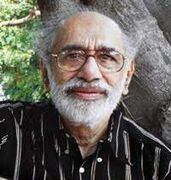
-
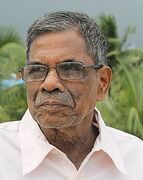
-

-
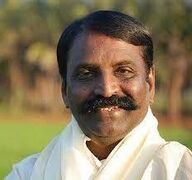
-

-

-
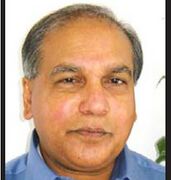
-
-
-

-
-


---instal- update- Extension:Chart
conu-----
வேதாந்தம் வேதாந்தா ரிசோர்செசு வேதாந்த் பரத்வாஜ்
PH வேதாந்த் பரத்வாஜ் வேதாந்த சாரம் (நூல்) scp ~/.bashrc -P 22967 administrator@wiki1.tamilar.wiki:~/.bashrc newlist
https://pagespeed.web.dev/analysis/https-wiki2-tamilar-wiki-w-Test6/y6wgaqhbsu?form_factor=desktop
fossil_range =
lua absoutpath sudo chmod +x /var/lib/mediawiki put in script also
unsolved வகுஎண் Mapfream